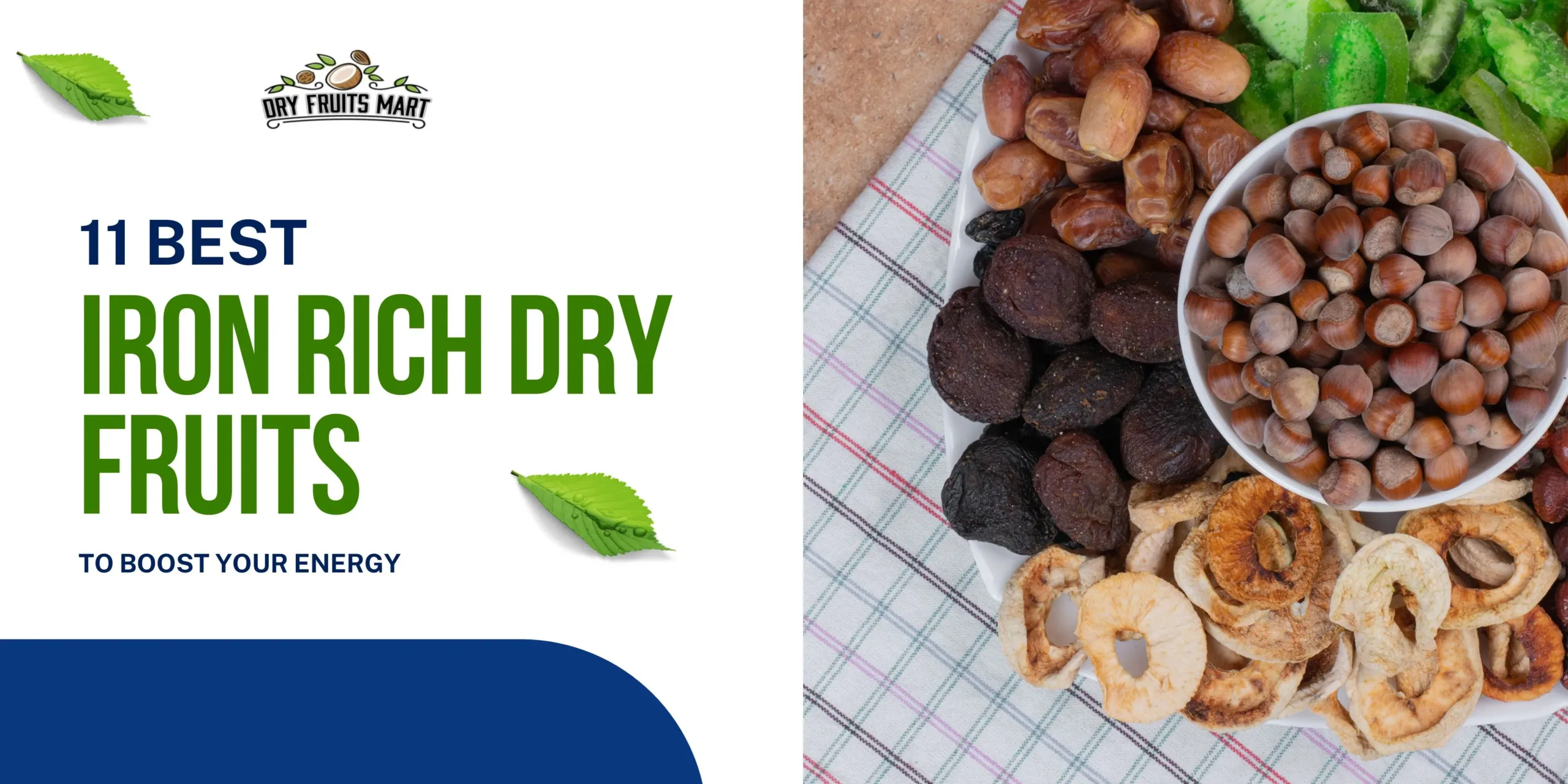
Feeling constantly tired and low on energy? Iron rich dry fruits might be the natural solution you need. Iron is one of the most essential minerals your body needs as it helps produce healthy blood cells and supports energy. Among women of childbearing age and athletes, iron deficiency is fairly common, leading to anemia and fatigue. The good news is that fruits rich in iron like prunes, raisins, and dates offer convenient sources of iron to boost your daily intake. If you’re looking to explore a wide variety of dry fruits in Pakistan, our collection offers many nutritious options to support your daily diet. In this guide, we’ve compiled 11 high iron fruits that can help you meet your nutritional goals naturally.
Why Iron Is Important for Your Body
Your body depends on iron for producing hemoglobin, the protein in red blood cells that transports oxygen from your lungs to every tissue and organ. About 70% of the iron in your body exists within hemoglobin, making oxygen delivery its primary function. Without adequate iron, your body cannot manufacture sufficient hemoglobin, resulting in reduced oxygen transport throughout your system.
Iron also forms myoglobin, a protein that stores and releases oxygen specifically within muscle tissues. This function supports muscle contraction and physical performance. In addition, your body requires iron to synthesize certain hormones that regulate various physiological processes.
The mineral participates in DNA synthesis, electron transport chains for energy production, and numerous metabolic processes. Iron serves as a cofactor for enzymes involved in energy metabolism, enabling mitochondria to produce ATP through oxidative phosphorylation. The total body iron content ranges from 3 to 5 grams in adults, distributed across hemoglobin, storage proteins, and various enzymes.
Your body stores excess iron in ferritin, a blood protein that releases iron when needed. Adult males typically maintain about 1,000 mg of stored iron, while adult females store approximately 300 mg. Iron absorption from food sources varies considerably, ranging from 5% to 35% depending on the type of iron consumed and individual factors.
Iron deficiency leads to smaller red blood cells with reduced hemoglobin content, causing iron deficiency anemia. Common symptoms include fatigue, weakness, shortness of breath, headaches, difficulty concentrating, and impaired memory. The condition also weakens immune function, reducing your ability to fight infections. During pregnancy, insufficient iron increases risks of low birth weight, premature delivery, and developmental issues in infants. Iron deficiency affects approximately 1.62 billion people globally, making it one of the most prevalent nutritional deficiencies worldwide.
If you are interested in the health benefits, please read our full guide on Health Benefits of Dry Fruits.
11 Best Iron Rich Dry Fruits
Dried fruits and nuts serve as excellent sources of iron when fresh produce falls short. Dried apricots stand out particularly well, containing almost seven times more iron than their fresh counterparts. A half-cup serving provides 2.1 milligrams of iron, making them one of the most potent high iron fruits available.
Raisins deliver approximately 2.6 milligrams of iron per 100 grams, offering an affordable and accessible option for daily consumption. Prunes, while famous for digestive benefits, provide around 0.93 milligrams of iron per 100 grams. Dates contain 0.8 milligrams per four medjool dates, combining natural sweetness with nutritional value.
Dried figs contribute 1.5 milligrams of iron per half-cup serving, alongside calcium and magnesium for bone health. In addition, dried peaches pack an impressive 3.3 milligrams per half cup, significantly higher than most iron fruits.
Tree nuts also function as valuable iron food sources. Cashews provide good amounts of non-heme iron along with healthy fats and protein. Almonds offer versatile options for adding iron to your meals, whether eaten whole or as almond butter. Walnuts support heart and bone health while delivering iron content. Pine nuts, though small, concentrate nutrients including iron into each serving. Pistachios round out the nut category with their distinctive flavor and mineral profile.
Dried coconut adds another mineral-rich option to this collection. Each of these iron rich dry fruits brings unique nutritional benefits beyond their iron content, from fiber and antioxidants to essential vitamins and healthy fats. The concentration process that creates dried fruits increases their nutrient density per serving compared to fresh versions, making them practical choices for meeting your daily iron requirements.
You can also read our guide on dry fruits rich in vitamin D to discover more essential nutrients.
Dried Apricots – A Great Source of Iron and Fiber
Iron Content and Nutritional Value
Dried apricots pack approximately 6.3mg of iron per 100g, delivering nearly 35% of the daily recommended intake for adult women. Some sources report 5.8mg per 100g, while one cup provides around 8mg. The drying process concentrates nutrients by reducing water content, which explains why dried apricots contain almost seven times more iron than fresh fruit.
Beyond iron, dried apricots supply vitamins A, C, and E, along with potassium, calcium, and copper. Specifically, 100g contains 1mg of vitamin C and 2.66mg of iron. The vitamin C content works synergistically with iron, contributing to higher absorption rates. Dried apricots also deliver approximately 2.6g of fiber per 100g serving, supporting digestive regularity.
Health Benefits Beyond Iron
The fiber in dried apricots improves digestion and regulates bowel movements. Both soluble and insoluble fiber types are present, with soluble fiber helping maintain healthy blood sugar and cholesterol levels. Dried apricots contain antioxidants that protect cells from damage and help prevent chronic diseases like heart disease.
The potassium content supports cardiovascular health, as low-potassium diets have been linked to cardiovascular disease. In addition, beta-carotene converts into vitamin A, which reduces fine lines and wrinkles. The vitamins and minerals collectively strengthen immune function.
How to Add Dried Apricots to Your Diet
Add dried apricots to morning oatmeal or yogurt for nutritious breakfasts. Mix them with nuts and premium seeds for trail mix, or incorporate them into muffins, cakes, and energy bars. For savory applications, add them to stews or tagines for sweetness and nutrition.
Best Consumption Practices
Eat 3-4 pieces daily, equivalent to 30-40g. The FDA recommends no more than 40g of dried fruit daily. Pair dried apricots with vitamin C sources like mangoes or pineapples to enhance iron absorption. Vitamin C reduces non-heme iron into ferrous form (Fe2+), which intestinal cells absorb more easily.
Prunes – Nutrient-Dense Dried Fruit
Iron Content and Nutritional Value
Prunes are dried plums that concentrate nutrients through the dehydration process. One cup of uncooked pitted prunes contains 1.58mg of iron, while a single prune provides 0.08mg. A typical serving of five prunes (approximately 50 grams) delivers 0.5mg of iron, contributing around 3% of your daily value.
The nutritional profile extends well beyond iron. That same 50-gram serving provides 28 mcg of vitamin K (23% daily value), 280mg of potassium, and 3 grams of fiber. Prunes stand out as one of the richest food sources of boron, a mineral supporting bone metabolism. In addition, they contain magnesium, copper, manganese, and vitamin B6.
Health Benefits Beyond Iron
Research shows prunes support bone density, particularly for postmenopausal women. Consuming 50-100 grams daily may help prevent bone loss and potentially reverse some bone density decline. The combination of vitamin K, boron, potassium, and magnesium contributes to bone mineralization.
For digestive wellness, prunes combine soluble and insoluble fiber with sorbitol, a natural sugar alcohol that draws water into the colon. This combination softens stools and promotes regularity without artificial additives. The polyphenols in prunes interact with gut microbiota, encouraging microbial diversity.
Prunes maintain a low glycemic index of 29, causing gradual blood sugar rises rather than spikes. Their fiber content slows sugar absorption while promoting satiety.
How to Add Prunes to Your Diet
Blend whole prunes into smoothies for natural sweetness without refined sugar. Chop them into salads, grain bowls, or yogurt for added moisture and flavor. Similarly, incorporate prunes into savory stews or tagines where their sugars enhance depth and richness.
Best Consumption Practices
Consume 4-6 prunes daily (about 50 grams) to support digestion and bone health while providing approximately 120 calories. Pair prunes with adequate hydration to strengthen their natural effects. Increase portions gradually based on personal tolerance.
Raisins (Kishmish) – A Natural Iron Booster
Iron Content and Nutritional Value
Raisins (kishmish) are dried grapes that concentrate nutrients through dehydration. A 100-gram serving contains approximately 1.9mg of iron, providing about 24% of your daily value. Some studies report 2.6mg per 100 grams, making raisins one of the higher iron-containing dried fruits. A typical half-cup serving delivers 1.3mg of iron, representing roughly 7% of daily requirements.
If you’re looking for a delicious way to boost your iron intake, check out our premium raisins (kishmish) in Pakistan and enjoy nature’s nutritious snack.
The complete nutritional profile includes 299 kilocalories, 3.1g protein, 79g carbohydrates, and 3.7g fiber per 100 grams. Raisins supply 749mg potassium, supporting cardiovascular function, alongside 50mg calcium and 32mg magnesium for bone health. In addition, they provide 0.32mg copper (35% daily value), which assists red blood cell formation. The natural sugars, primarily glucose and fructose, deliver quick energy without processed ingredients.
Health Benefits Beyond Iron
Black raisins (Kali Kishmish) specifically support hemoglobin production, helping prevent anemia symptoms like fatigue, weakness, and pale skin. The combination of iron and copper works synergistically to increase red blood cell count. Consequently, regular consumption addresses iron deficiency naturally.
The antioxidants, including vitamin C and polyphenols, combat free radicals and reduce oxidative stress. This strengthens immune function by supporting antibody production. Furthermore, the fiber content promotes satiety, aids weight management, and maintains digestive regularity. Raisins also contain boron, calcium, and magnesium, which support bone density and reduce osteoporosis risk.
Their alkaline nature helps neutralize stomach acid, reducing symptoms of acid reflux and heartburn. The compounds maintain healthy pH balance in your digestive system.
How to Add Raisins to Your Diet
Soak 15-20 raisins overnight in water and consume them on an empty stomach for improved nutrient absorption. The soaking process enhances iron bioavailability, making it easier for your body to absorb. For example, add raisins to breakfast cereals, yogurt, or oatmeal for sustained energy throughout the day.
Mix them with nuts and seeds for trail mix, or incorporate into baking recipes like cookies and muffins. Similarly, toss raisins into green salads or grain bowls for natural sweetness. For savory dishes, add them to curry or stir-fry as a garnish.
Best Consumption Practices
Consume about 40 grams (approximately 1/4 cup) daily to improve iron levels, providing roughly 1mg of iron. Research supports incorporating 80-90 grams (half a cup) into your daily diet for optimal health benefits.
Pair raisins with vitamin C-rich foods like dried oranges, dried strawberries, or bell peppers to increase iron absorption by up to 300%. Avoid consuming them with tea or coffee, which inhibit iron absorption. Eat soaked raisins in the morning on an empty stomach for maximum digestive benefits, or consume them pre-workout for quick energy 15-30 minutes before exercise.
Dates (Khajoor) – Energy and Iron Rich Dry Fruit
Iron Content and Nutritional Value
Dates (khajoor) provide moderate iron levels ranging from 0.24mg to 2.52mg per 100 grams depending on variety. Medjool dates contain approximately 1.02mg per 100g, while Deglet Noor varieties offer about 0.90mg. A single date delivers 0.1mg of iron, contributing roughly 5% of daily requirements.
A 100-gram serving supplies 277 calories, 75g carbohydrates, and 7g dietary fiber. Dates also provide 696mg potassium, 54mg magnesium, and 40% daily value of copper. The combination of iron, copper, and vitamin B6 creates an efficient system for red blood cell production.
Looking to include this nutritious fruit in your diet? Browse our premium collection of Dates (Khajoor) in Pakistan to enjoy their natural sweetness and nutritional benefits.
Health Benefits Beyond Iron
The 7 grams of fiber per serving promotes digestive regularity and prevents constipation. Antioxidants including flavonoids, carotenoids, and phenolic acids reduce inflammation and may lower risks of diabetes, Alzheimer’s disease, and certain cancers. Furthermore, dates contain compounds that bind to oxytocin receptors, potentially facilitating labor in pregnant women.
How to Add Dates to Your Diet
Blend dates into smoothies for natural sweetness, or chop them into yogurt, oatmeal, and salads. Stuff dates with nut butter or cheese as appetizers. Use date paste as a 1:1 substitute for refined sugar in baking recipes.
Best Consumption Practices
Consume 2-3 dates daily for nutritional benefits without excessive sugar intake. Pair dates with vitamin C-rich foods like oranges to enhance iron absorption. Avoid consuming dates with tea, coffee, or dairy products that inhibit iron uptake.
Dried Figs (Anjeer) – Iron Rich and Good for Digestion
Iron Content and Nutritional Value
Dried figs, called anjeer, contain 2.03mg of iron per 100 grams, representing a concentrated iron food source compared to fresh figs at only 0.37mg. Beyond iron, dried figs work with copper to maintain proper iron balance in the body. Copper deficiency can cause anemia from lack of iron mobilization for red blood cell synthesis. The nutritional profile includes 9.8g fiber, 162mg calcium, and 680mg potassium per 100 grams.
If you want to enjoy a nutritious boost of iron and fiber, try our dried figs (anjeer) in Pakistan, a tasty and healthy addition to your diet.
Health Benefits Beyond Iron
The high fiber content acts as a prebiotic, nourishing beneficial gut bacteria and promoting a healthy microbiome. A study of 150 people with irritable bowel syndrome and constipation found that consuming 45g of dried figs twice daily significantly reduced pain, bloating, and constipation compared to a control group. In addition, the antioxidants help protect against oxidative stress and inflammation.
How to Add Dried Figs to Your Diet
Chop dried figs into salads, oatmeal, or yogurt for natural sweetness. Blend them into smoothies, or incorporate into baked goods like muffins and cookies. For savory dishes, add them to stews or tagines.
Best Consumption Practices
Consume 2-3 dried figs daily for optimal benefits. Soaking figs overnight in water enhances nutrient absorption and softens texture, making minerals more bioavailable. Eat soaked figs on an empty stomach in the morning for digestive support.
Cashews – Protein and Iron Packed Snack
Iron Content and Nutritional Value
Cashews are kidney-shaped nuts that combine protein with iron, making them valuable iron food sources. A 1-ounce serving (approximately 18 cashews) contains 1.8mg of iron, while a full cup provides 8.22mg. In addition, that same ounce delivers 5.16g of protein, positioning cashews as excellent plant-based protein options.
The mineral profile extends beyond iron. Copper reaches 0.6mg per ounce, supporting iron absorption and red blood cell production. Magnesium contributes 82.8mg, backing over 300 body processes. Zinc adds 1.6mg for immune function. At 157 calories per ounce, cashews provide sustained energy through healthy fats.\
For a creamy, nutrient‑rich snack that also supports overall health, try our premium cashew nuts (kaju) in Pakistan today.
Health Benefits Beyond Iron
Copper and iron work together to form and utilize red blood cells. The monounsaturated fats lower LDL cholesterol, reducing cardiovascular risks. Magnesium and iron support energy metabolism and oxygen flow. Besides cardiovascular benefits, cashews contain tryptophan, which produces serotonin for mood regulation.
How to Add Cashews to Your Diet
Blend cashews into smoothies for creaminess, or sprinkle crushed cashews over yogurt and oatmeal. Add them to stir-fries with vegetables, or use cashew butter in spreads.
Best Consumption Practices
Consume 15-20 cashews daily (roughly 1 ounce) to gain benefits without excess calories. Choose unsalted, dry-roasted varieties for optimal nutrition.
Almonds – Iron Rich Nut for Daily Nutrition
Iron Content and Nutritional Value
Almonds rank among tree nuts highest in protein and fiber content. A 100-gram serving provides 3.71mg of iron, while one ounce (approximately 23 almonds) contains 1mg, representing 6% of daily value. Some sources report 5.4mg per 100 grams. A single ounce delivers 6g protein, 14g healthy fats (primarily monounsaturated), and 3.5g fiber. The vitamin E content reaches 7.3mg per ounce, providing 49% daily value. Magnesium contributes 76mg (18% DV), supporting over 300 enzyme functions.
For a nutrient‑packed snack that supports heart health and energy, check out our collection of almonds (badam) in Pakistan.
Health Benefits Beyond Iron
Almonds contain riboflavin and L-carnitine, nutrients that boost memory and cognitive function. Vitamin E protects brain cells from oxidative stress. The monounsaturated fats help lower LDL cholesterol while maintaining HDL levels. Furthermore, protein and fiber increase satiety, aiding weight management. Calcium and phosphorus support bone density.
How to Add Almonds to Your Diet
Sprinkle sliced almonds on oatmeal, cereal, or yogurt. Blend them into smoothies for extra protein. Substitute almond flour in baked goods. Soaking almonds overnight removes enzyme inhibitors, improving nutrient absorption.
Best Consumption Practices
Consume 5-7 almonds daily for hemoglobin support, or 20-23 almonds (about 30g) for broader health benefits. Soaking and removing skin enhances absorption, as tannins in the skin inhibit nutrient uptake.
Walnuts – Nutrient Dense Brain Food
Iron Content and Nutritional Value
Walnuts resemble miniature brains in appearance, which fits their reputation as brain food. A cup of chopped English walnuts contains 3.4mg of iron, while 100 grams provides 2.91mg. One ounce (about 14 halves) delivers 185 calories with 18.5g of fat, primarily polyunsaturated fatty acids.
What sets walnuts apart as iron food sources is their omega-3 alpha-linolenic acid (ALA) content. A single ounce provides 2.5g of ALA,, significantly higher than any other nut. In addition, walnuts supply 4.3g protein, 1.9g fiber, and essential minerals including copper, magnesium, phosphorus, and manganese.
Add a heart‑healthy crunch to your diet with our premium walnuts (akhrot) in Pakistan, rich in nutrients and perfect for everyday snacking.
Health Benefits Beyond Iron
Walnuts rank second among 1,113 foods tested for antioxidant content. The polyphenols, including ellagitannins, combat oxidative stress and inflammation. Studies show that consuming 1-2 ounces daily improves cognitive function, memory, and processing speed while potentially reducing age-related decline.
The ALA omega-3s help lower LDL cholesterol and triglycerides, supporting cardiovascular health. Besides heart benefits, eating walnuts may help regulate appetite and blood sugar levels.
How to Add Walnuts to Your Diet
Sprinkle chopped walnuts on oatmeal, yogurt, or salads. Blend them into smoothies, use as coating for fish or chicken, or add to pasta dishes. Walnuts work well in baked goods or homemade trail mix.
Best Consumption Practices
Consume 1 to 1.5 ounces daily (approximately 14-28 halves),. Soaking walnuts for 8 hours reduces phytic acid, improving mineral absorption by 20-30%. Eat them mid-morning or afternoon for enhanced mental clarity.
Pine Nuts – Small but High in Iron
Iron Content and Nutritional Value
Despite their tiny size, pine nuts deliver substantial iron content. A 100-gram serving provides 5.5mg of iron, representing 69% of the daily value based on an 8mg recommendation. Other sources report 4.1mg per 100g, while one ounce (28 grams) contains 1.57mg. A typical 30-gram serving contributes 1.23mg, making pine nuts among the most iron-dense tree nuts alongside cashews.
Beyond iron, pine nuts supply 3.9g protein, 19g healthy fats (primarily unsaturated), and 1.1g fiber per ounce. The mineral profile includes 71.2mg magnesium, 163mg phosphorus, and 1.8mg zinc. Vitamin E reaches 2.6mg per serving, supporting antioxidant protection.
Experience the rich taste and nutrition of premium pine nuts (chilgoza) in Pakistan, a nutrient‑dense seed perfect for snacking and boosting energy.
Health Benefits Beyond Iron
The protein, fiber, and healthy fats work together to increase satiety and support weight management. Similarly, omega-3 fatty acids (31.4mg per ounce) promote brain function and cardiovascular health. Polyphenols help lower reactive oxygen species, improving blood glucose control. In addition, manganese content supports diabetes risk reduction.
How to Add Pine Nuts to Your Diet
Toast pine nuts in a dry pan for 3-5 minutes over medium heat to enhance their nutty flavor. Blend them into classic pesto with basil, garlic, and olive oil, or sprinkle over salads and pasta dishes. Add to yogurt parfaits, grain bowls, or baked goods.
Best Consumption Practices
Consume approximately 2 tablespoons (30 grams) daily. Store in airtight containers in the refrigerator for up to 4 months or freeze for 6 months. Pair with vitamin C-rich foods to boost iron absorption.
Pistachios – Healthy Iron Rich Dry Fruit
Iron Content and Nutritional Value
Pistachios stand out among iron food sources with their distinctive green color and nutrient density. One ounce, approximately 49 kernels, contains 1.4mg of iron, while 100 grams provides 3.92mg. Beyond iron, pistachios contain 20% protein by weight, surpassing most nuts in calorie-to-protein ratio. They function as complete proteins, supplying all nine essential amino acids your body requires.
A single-ounce serving delivers 6g protein, 3g fiber, and 159 calories. Vitamin B6 reaches 28% of daily value, supporting oxygen transport throughout your body. Potassium content matches half a large banana at 290mg. In addition, pistachios rank second among nuts for antioxidant levels, trailing only walnuts and pecans.
Add a delicious and nutritious crunch to your diet with premium pista (pistachios) in Pakistan, perfect for snacking or adding to recipes.
Health Benefits Beyond Iron
The antioxidants lutein and zeaxanthin protect eyes from blue light damage and age-related macular degeneration. Pistachios maintain a low glycemic index, preventing blood sugar spikes. Research shows they reduce systolic blood pressure by 1.82 mmHg. The fiber acts as prebiotic fuel for beneficial gut bacteria, while protein and fiber increase satiety for weight management.
How to Add Pistachios to Your Diet
Sprinkle crushed pistachios over yogurt, salads, or oatmeal. Use them in pesto instead of pine nuts, or coat fish and chicken with chopped pistachios. Blend into smoothies or add to grain bowls.
Best Consumption Practices
Consume 49 in-shell pistachios daily. Choosing shelled varieties promotes mindful eating, reducing calorie intake by 41% compared to pre-shelled options.
Dried Coconut – A Mineral Rich Dry Fruit
Iron Content and Nutritional Value
Dried coconut, also known as desiccated coconut, provides 3.32mg of iron per 100 grams, representing 33.2% of daily value. Raw coconut contains 14% DV, while dried versions concentrate to 18% DV. In addition, dried coconut ranks exceptionally high in manganese at 119% DV and copper at 88% DV, both minerals that support iron absorption and red blood cell formation. The mineral profile includes 90mg magnesium, 206mg phosphorus, and 543mg potassium per 100 grams.
Add tropical flavor and nutrition to your meals with dry coconut (khopra khushk giri) in Pakistan today!
Health Benefits Beyond Iron
Dried coconut strengthens connective tissues including skin, ligaments, bones, and tendons through its easily absorbed mineral content. The medium-chain triglycerides (MCTs) support brain function by promoting neurotransmitter production and myelin formation. Similarly, the healthy fats help lower LDL cholesterol while raising HDL levels. Iron content specifically helps prevent anemia, particularly in women.
How to Add Dried Coconut to Your Diet
Sprinkle dried coconut flakes over oatmeal or yogurt for added texture. Blend into smoothies to boost creaminess, or use as topping for baked goods like cakes and pastries. For savory dishes, add to curries and stir-fries.
Best Consumption Practices
Store in airtight containers in cool, dry places. Refrigerate for up to 6 months or freeze for one year to maintain freshness.
Health Benefits of Iron Rich Dry Fruits
Adding iron rich dry fruits to your meals delivers benefits that extend far beyond meeting daily iron requirements. Iron helps produce hemoglobin, which transports oxygen throughout your body, boosting energy levels and reducing fatigue. When your body moves oxygen efficiently, you experience less tiredness and improved physical performance.
Iron strengthens your immune system by supporting immune cells like lymphocytes that fight infections. Consuming fruits rich in iron makes your immune system stronger, lowering your chances of getting sick. Dried Berries and dried fruits containing both iron and vitamin C provide dual immune support.
For those dealing with anemia, iron food sources like raisins and prunes help treat the condition by supporting red blood cell production. Raisins contain iron alongside vitamin C, a combination that works well for people managing anemia. Besides blood health, iron supports skin wellness by helping oxygen reach skin cells, creating a healthy and bright appearance. The mineral also aids skin repair processes.
The fiber content in these sources of iron promotes digestive health and keeps you feeling full longer by stopping cravings. High iron fruits like dates provide quick energy while helping your body maintain strength. Eating cashews and almonds supplies not just iron but magnesium and healthy fats that support energy metabolism.
Best Ways to Eat Dry Fruits for Better Iron Absorption
Getting iron from dry fruits requires more than just eating them. Vitamin C dramatically enhances absorption of non-heme iron found in plant sources. Pairing dried apricots with orange juice increases iron absorption by up to 85%. Similarly, combining prunes with grapefruit or raisins with strawberries improves uptake.
Timing matters for optimal absorption. Consume iron rich dry fruits during morning or early afternoon hours when your body processes nutrients most efficiently. Iron absorbs best on an empty stomach, so space your intake at least one hour before or two hours after meals.
Preparation methods affect nutrient availability. Soaking nuts like almonds and cashews overnight reduces phytate levels that block iron absorption. The soaking activates enzymes that break down anti-nutrients. For almonds specifically, soak for 8-12 hours and remove the brown skin, which contains tannins that inhibit iron. Cashews need only 2-3 hours, while raisins benefit from 1-2 hours of soaking.
Follow the two-hour window rule: avoid tea, coffee, and dairy products for at least two hours before and after eating sources of iron. Tannins in tea and coffee bind to iron molecules and prevent absorption. Calcium competes directly with iron for uptake in your gut, therefore spacing calcium-rich foods away from iron food sources optimizes absorption.
To get the most benefit from your snacks, read our detailed article on best time to eat dry fruits.
Recommended Daily Portion of Iron Rich Dry Fruits
Balancing portion sizes of iron rich dry fruits ensures you meet iron needs without excessive calorie intake. A standard daily serving of 30 grams provides baseline nutritional support, while those requiring additional iron can increase to 40-50 grams split across two meals. For example, raisins work well at 40-60 grams daily, whereas dates and figs perform optimally at 2-3 pieces per serving.
The NHS recommends 50-gram portions of dried fruits like prunes, apricots, figs, peaches, currants, raisins, sultanas, and dates, which collectively deliver approximately 1mg of iron. Given that a small handful equals roughly 20-30 individual raisins, this measurement provides a practical reference point for portion control across various fruits rich in iron.
For expecting mothers, learn which dry fruits support maternal health in our complete guide on dry fruits for a healthy pregnancy.
Women experiencing heavy menstrual periods face higher iron deficiency risks and may require increased intake. Similarly, pregnant women benefit from elevated consumption due to greater nutritional demands. Your individual requirements depend on factors including age, gender, activity level, and existing iron status.
Dividing your daily portion into morning and afternoon servings optimizes absorption and prevents digestive discomfort. Consuming 30-50 grams daily of these sources of iron supports energy levels and reduces fatigue, making them practical additions to your nutrition routine.
Comparison Table: 11 Best Iron Rich Dry Fruits
| Dry Fruit | Iron Content (per 100g) | Key Nutritional Highlights | Primary Health Benefits | Recommended Daily Portion |
|---|---|---|---|---|
| Dried Apricots | 6.3mg (35% DV for women) | Vitamin C (1mg), Fiber (2.6g), Potassium, Calcium, Copper | Improves digestion, supports cardiovascular health, strengthens immune function, reduces wrinkles | 3-4 pieces (30-40g) |
| Prunes | 0.93mg | Vitamin K (28 mcg/23% DV), Potassium (280mg), Fiber (3g), Boron | Supports bone density, promotes digestive regularity, maintains low glycemic index (29) | 4-6 prunes (50g) |
| Raisins (Kishmish) | 2.6mg (24% DV) | Potassium (749mg), Calcium (50mg), Copper (0.32mg/35% DV), Fiber (3.7g) | Supports hemoglobin production, prevents anemia, strengthens immune function, promotes bone health | 40g (1/4 cup) or 80-90g for optimal benefits |
| Dates (Khajoor) | 1.02mg (Medjool variety) | Potassium (696mg), Magnesium (54mg), Copper (40% DV), Fiber (7g) | Provides quick energy, promotes digestive regularity, reduces inflammation, may facilitate labor | 2-3 dates daily |
| Dried Figs (Anjeer) | 2.03mg | Fiber (9.8g), Calcium (162mg), Potassium (680mg), Copper | Acts as prebiotic, reduces IBS symptoms, protects against oxidative stress | 2-3 dried figs daily |
| Cashews | 1.8mg (per ounce) | Protein (5.16g/oz), Copper (0.6mg), Magnesium (82.8mg), Zinc (1.6mg) | Supports red blood cell formation, lowers LDL cholesterol, boosts mood through tryptophan | 15-20 cashews (1 ounce) |
| Almonds | 3.71mg | Protein (6g/oz), Vitamin E (7.3mg/49% DV), Magnesium (76mg/18% DV), Fiber (3.5g) | Boosts memory and cognitive function, lowers LDL cholesterol, supports bone density | 5-7 almonds for hemoglobin or 20-23 (30g) for overall health |
| Walnuts | 2.91mg | Omega-3 ALA (2.5g/oz), Protein (4.3g), Fiber (1.9g), High antioxidants | Improves cognitive function and memory, lowers LDL cholesterol, reduces inflammation | 1 to 1.5 ounces (14-28 halves) |
| Pine Nuts | 5.5mg (69% DV) | Protein (3.9g/oz), Magnesium (71.2mg), Phosphorus (163mg), Vitamin E (2.6mg) | Increases satiety, promotes brain function, improves blood glucose control | 2 tablespoons (30g) |
| Pistachios | 3.92mg | Protein (6g/oz), Vitamin B6 (28% DV), Potassium (290mg), Fiber (3g) | Protects eyes (lutein & zeaxanthin), reduces blood pressure, supports gut bacteria | 49 kernels (1 ounce) |
| Dried Coconut | 3.32mg (33.2% DV) | Manganese (119% DV), Copper (88% DV), Magnesium (90mg), Potassium (543mg) | Strengthens connective tissues, supports brain function through MCTs, lowers LDL cholesterol | Not specified |
Note: DV = Daily Value. Iron content may vary slightly depending on variety and source. Pair with vitamin C-rich foods for enhanced absorption and avoid consuming with tea, coffee, or dairy products.
Conclusion
Just to reiterate, iron rich dry fruits offer one of the easiest ways to boost your energy levels and combat iron deficiency naturally. Given these points, adding dried apricots, raisins, prunes, and nuts to your daily routine provides concentrated iron alongside fiber, antioxidants, and essential minerals. Even though each option delivers different iron amounts, combining several varieties ensures you get diverse nutritional benefits. Remember to pair these sources of iron with vitamin C-rich foods for better absorption, and avoid tea or coffee within two hours of consumption. Start with small portions and gradually find what works best for your body.
FAQs About Iron Rich Dry Fruits
Q1. Which dry fruit contains the most iron?
Dried apricots contain the highest iron content among dry fruits, providing approximately 6.3mg of iron per 100 grams. This represents about 35% of the daily recommended intake for adult women. Pine nuts follow closely with 5.5mg per 100 grams, making both excellent choices for boosting iron levels naturally.
Q2. How can I quickly increase my iron levels through diet?
To increase iron levels effectively, consume iron-rich dry fruits like raisins, dates, and almonds daily. Pair them with vitamin C-rich foods such as oranges, tomatoes, or berries to enhance absorption by up to 85%. Avoid tea, coffee, and dairy products within two hours of eating iron-rich foods, as these can inhibit absorption.
Q3. Which dry fruits provide the best energy boost?
Dates, almonds, and cashews are excellent energy-boosting dry fruits. Dates provide quick energy through natural sugars while delivering iron and fiber. Almonds offer sustained energy with their combination of protein, healthy fats, and iron. Cashews provide both immediate and long-lasting energy through their balanced nutrient profile of protein, iron, and magnesium.
Q4. What is the recommended daily portion of iron-rich dry fruits?
A standard daily serving of 30-50 grams of iron-rich dry fruits is recommended for most adults. This translates to about 3-4 dried apricots, 4-6 prunes, 2-3 dates or figs, or 20-23 almonds. Women with heavy menstrual periods or pregnant women may benefit from slightly higher portions to meet increased iron demands.
Q5. How should I prepare dry fruits for better iron absorption?
Soak nuts like almonds and cashews overnight to reduce phytates that block iron absorption. Remove almond skins after soaking, as they contain tannins that inhibit iron uptake. Consume iron-rich dry fruits on an empty stomach or pair them with vitamin C sources like orange juice for optimal absorption. Eat them during morning or early afternoon when your body processes nutrients most efficiently.