On This Page
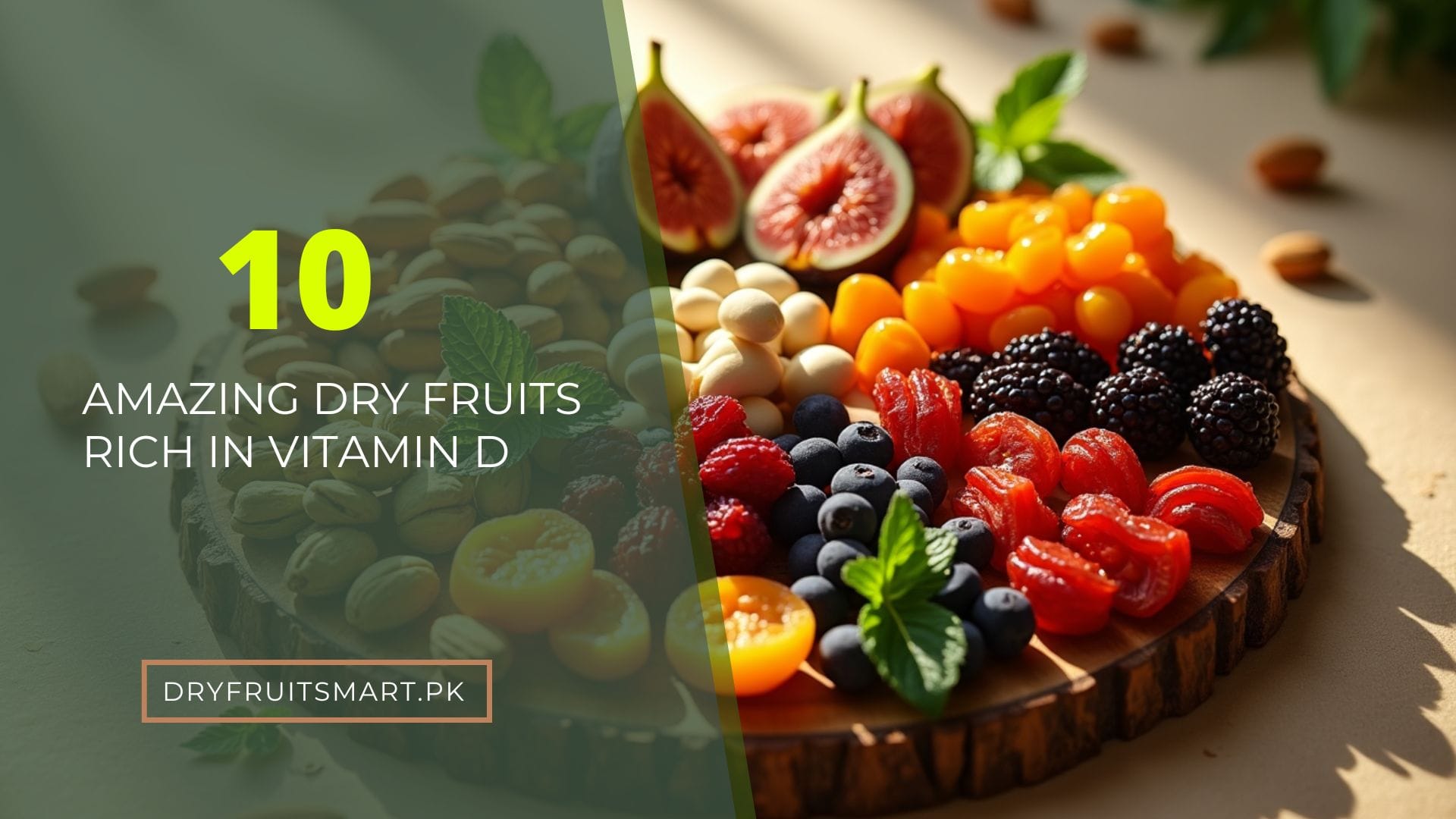
Are there dry fruits rich in vitamin D? The short answer is no. According to USDA nutrient data, almonds, dried figs, raisins, dried apricots, prunes, dates and pistachios all contain essentially zero vitamin D. Dry fruits do, however, supply calcium, magnesium, vitamin K and boron, the nutrients that work alongside vitamin D to keep your bones strong.
This guide explains what vitamin D actually does, where to get it, and which dry fruits are worth eating to support it.
Do Dry Fruits Contain Vitamin D?
No common dry fruit or nut is a meaningful source of vitamin D. Vitamin D is found naturally in very few foods, mainly fatty fish, egg yolks and liver, and is made by your skin when it is exposed to sunlight. Plants do not make the form of vitamin D that people need, with one exception: mushrooms exposed to sunlight or UV light.
Some websites claim that dried figs or apricots contain several micrograms of vitamin D per 100 grams. Those numbers do not appear in official food databases. If you are relying on dry fruits to fix a vitamin D deficiency, they will not do it.
That does not make dry fruits useless for bone health. Vitamin D helps your body absorb calcium, but your bones also need calcium itself, magnesium (which the body needs to activate vitamin D), vitamin K and boron. Several dry fruits are good sources of these.
Why Vitamin D Matters
Vitamin D helps your gut absorb calcium and phosphorus, keeps bones and teeth strong, and supports muscles and the immune system. Adults aged 19-70 need about 600 IU (15 micrograms) a day, and adults over 70 need about 800 IU (20 micrograms), according to the US National Institutes of Health.
Deficiency is common in Pakistan despite the sunshine, because many people spend most of the day indoors, cover most of their skin, and have darker skin, which makes vitamin D more slowly. Long-term deficiency can cause bone pain, muscle weakness and, over time, weaker bones.
The Real Sources of Vitamin D
- Sunlight: short periods of midday sun on uncovered arms and face a few times a week let your skin make vitamin D.
- Fatty fish: salmon, sardines, mackerel and trout are among the richest food sources.
- Egg yolks: each yolk provides a small amount, roughly 40 IU.
- Fortified foods: fortified milk, fortified almond milk and, in Pakistan, many brands of cooking oil and ghee that are fortified with vitamins A and D.
- UV-exposed mushrooms: the only plant food with useful amounts.
- Supplements: if a blood test shows deficiency, your doctor may prescribe vitamin D drops, tablets or injections.
7 Dry Fruits That Support Vitamin D and Bone Health
None of the dry fruits below contain vitamin D, but each provides nutrients that work with it. Eat them alongside the vitamin D sources above, not instead of them.
1. Dried Figs (Anjeer)
Dried figs are one of the best dry fruits for calcium. A 100 gram serving provides about 162 mg of calcium, 68 mg of magnesium, 680 mg of potassium and 9.8 grams of fiber. Calcium is the mineral vitamin D helps you absorb, so pairing figs with a vitamin D source makes sense.
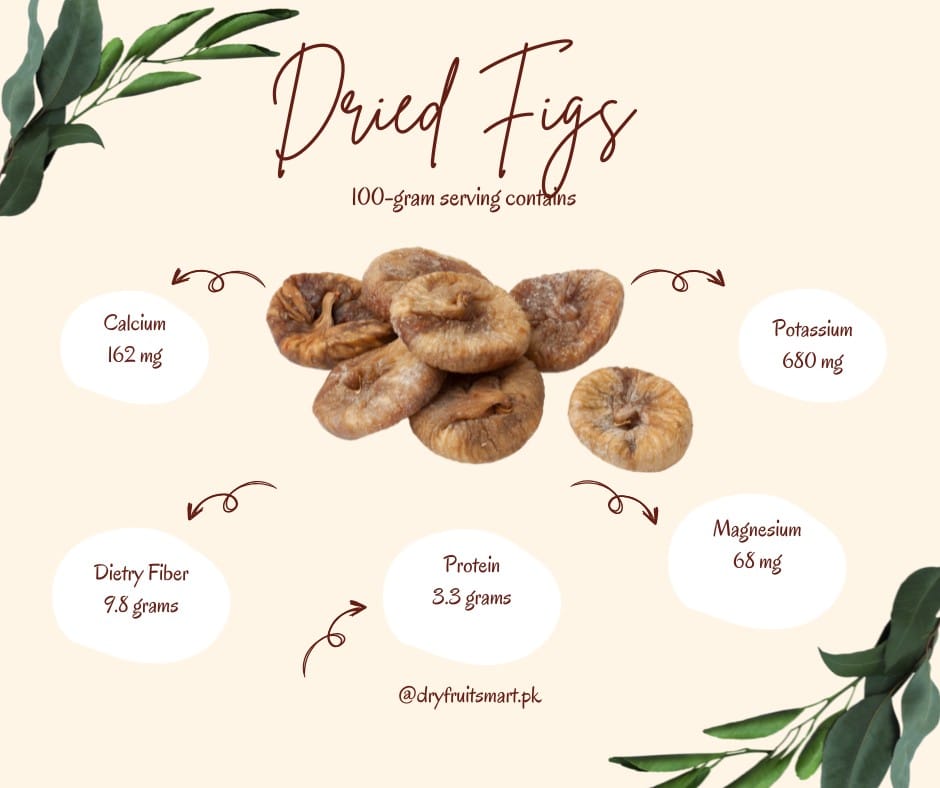
Dried figs (anjeer) provide calcium and magnesium for bone health.
How to eat them: 2-3 dried figs in the morning, soaked overnight if you prefer them softer. Browse our dried figs (anjeer).
2. Almonds (Badam)
Almonds contain no vitamin D themselves, but they are rich in the minerals that support it. 100 grams of almonds provide about 270 mg of magnesium and 269 mg of calcium, plus vitamin E and protein. Fortified almond milk is a different product: the vitamin D in it is added during processing.
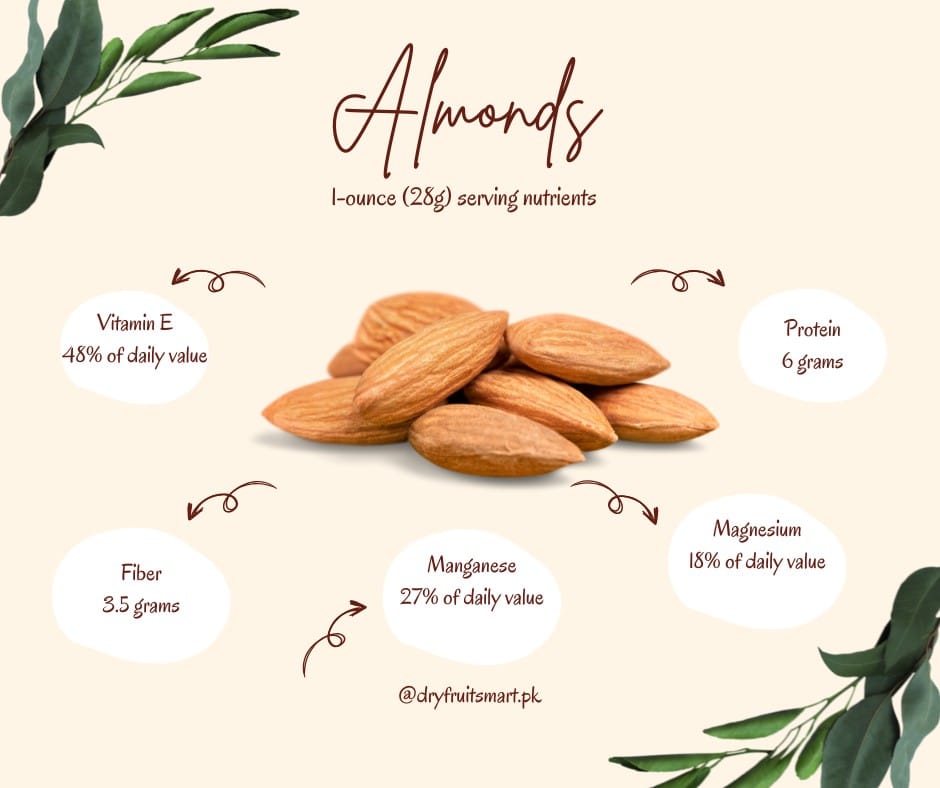
Almonds are rich in magnesium, which the body needs to use vitamin D.
How to eat them: a handful of 15-20 almonds a day, raw or soaked. Check today’s badam price in Pakistan.
3. Prunes
Prunes have the strongest research for bone health among dry fruits. In a 12-month study, postmenopausal women who ate 100 grams of prunes a day had better bone mineral density than women who ate dried apple, and a later study found 50 grams a day worked as well. Prunes are rich in vitamin K (about 60 micrograms per 100 grams), potassium and boron.
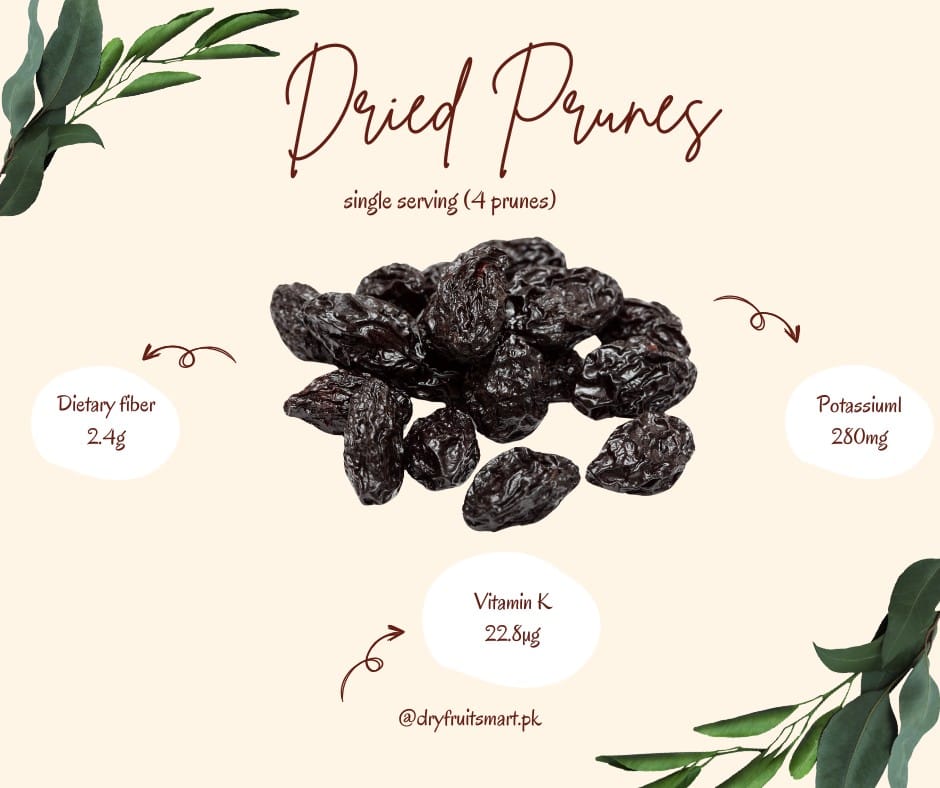
Prunes provide vitamin K and boron, and have been studied for bone density.
How to eat them: 5-6 prunes a day (about 50 grams). Try our dried prunes.
4. Dried Apricots (Khubani)
Dried apricots are among the richest dry fruits in potassium, with about 1,160 mg per 100 grams, and they also provide vitamin A, fiber and some calcium. Diets rich in potassium help reduce calcium loss from the body.
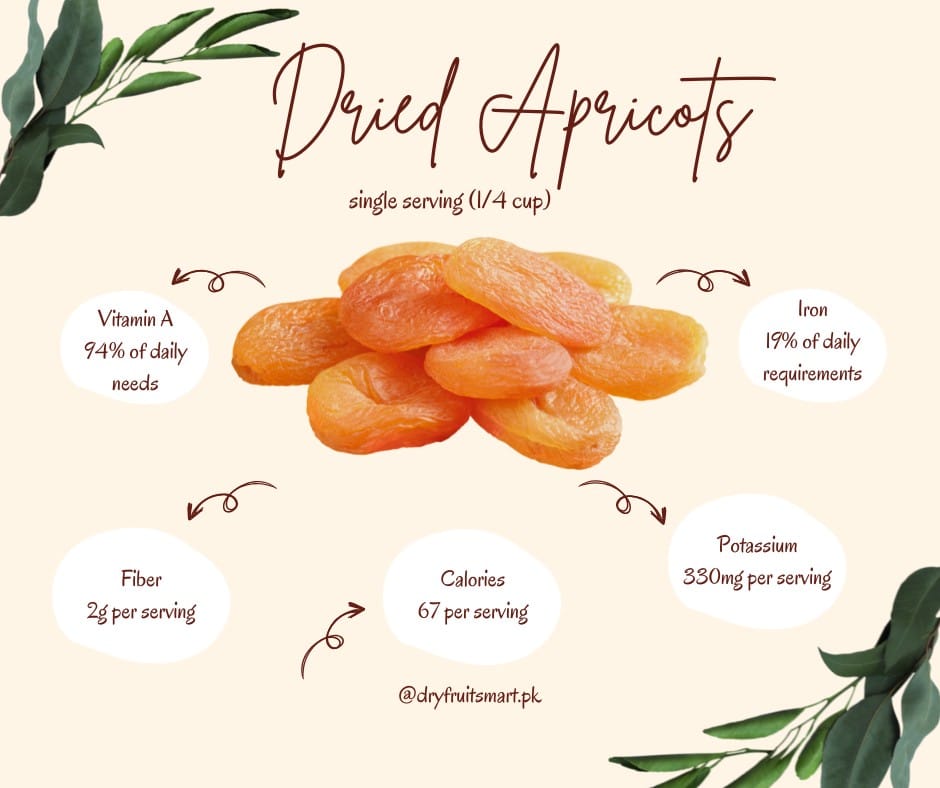
Dried apricots are rich in potassium and vitamin A.
How to eat them: 3-4 dried apricots with yogurt or in oatmeal. See our dried apricots, and read about apricot benefits during pregnancy.
5. Raisins (Kishmish)
Raisins are one of the richest dried fruit sources of boron, a trace mineral that appears to help the body use calcium, magnesium and vitamin D. They also provide potassium (about 750 mg per 100 grams) and quick energy.

Raisins provide boron and potassium.
How to eat them: a small handful (about 30 grams) soaked overnight or added to porridge.
6. Dates (Khajoor)
Dates provide potassium, magnesium and copper. 100 grams of Medjool dates contain about 64 mg of calcium, 54 mg of magnesium and 696 mg of potassium. They are high in natural sugar, so keep portions small.
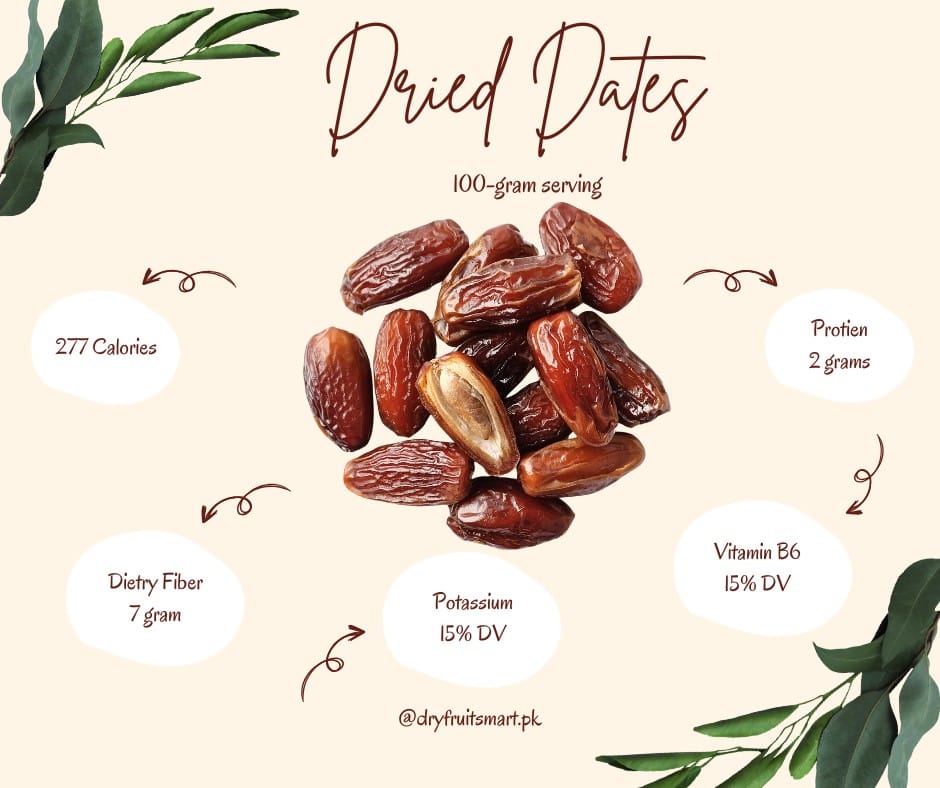
Dates add magnesium and potassium to your diet.
How to eat them: 2-3 dates a day, for example with a glass of fortified milk, which adds vitamin D. Learn more in our guide to dry fruits in pregnancy.
7. Pistachios (Pista)
Pistachios provide about 121 mg of magnesium and 105 mg of calcium per 100 grams, along with vitamin B6, protein and the eye-friendly antioxidants lutein and zeaxanthin.
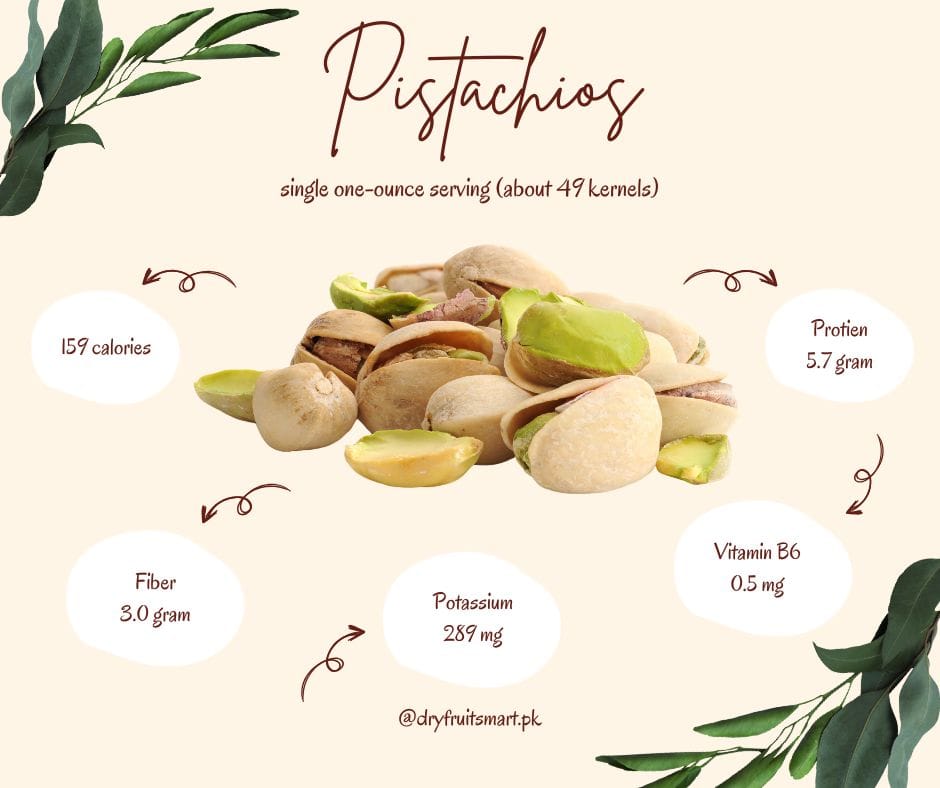
Pistachios provide magnesium, calcium and vitamin B6.
How to eat them: about 30 grams (roughly 49 kernels) a day.
Comparison Table: Vitamin D and Bone Nutrients in Dry Fruits
| Dry fruit (per 100 g) | Vitamin D | Calcium | Magnesium | Potassium | Also provides |
|---|---|---|---|---|---|
| Dried figs | 0 | 162 mg | 68 mg | 680 mg | Fiber (9.8 g) |
| Almonds | 0 | 269 mg | 270 mg | 733 mg | Vitamin E |
| Prunes | 0 | 43 mg | 41 mg | 732 mg | Vitamin K, boron |
| Dried apricots | 0 | 55 mg | 32 mg | 1,162 mg | Vitamin A |
| Raisins | 0 | 50 mg | 32 mg | 749 mg | Boron |
| Dates (Medjool) | 0 | 64 mg | 54 mg | 696 mg | Copper |
| Pistachios | 0 | 105 mg | 121 mg | 1,025 mg | Vitamin B6 |
Source: USDA FoodData Central. Values vary slightly by variety.
How to Combine Dry Fruits With Vitamin D
- Add almonds, figs or dates to a glass of fortified milk.
- Eat a handful of nuts with eggs at breakfast.
- Have your dry fruit snack outdoors in the morning sun a few times a week.
- If you take a vitamin D supplement, take it with a meal or snack that contains fat, such as nuts, because vitamin D is fat-soluble.
Conclusion
Dry fruits are not a source of vitamin D, and no amount of figs, almonds or apricots will fix a deficiency. What they do offer is calcium, magnesium, potassium, vitamin K and boron, which help vitamin D do its job for your bones. Get your vitamin D from sunlight, fatty fish, eggs, fortified foods or a doctor-advised supplement, and use dry fruits like figs, almonds and prunes to support your bones alongside it.
Important: If you have bone pain, muscle weakness or frequent tiredness, ask your doctor for a vitamin D blood test before starting any supplement. For more on the wider health benefits of dry fruits, read our dry fruits benefits guide, or see dry fruit names in Urdu and English.
FAQs About Dry Fruits and Vitamin D
Which dry fruits are good sources of vitamin D?
Almost no dry fruit or nut contains meaningful vitamin D. Almonds, figs, raisins and apricots contain essentially none. The only plant food with useful amounts is dried mushrooms exposed to sunlight or UV light. The main sources of vitamin D are sunlight, fatty fish, egg yolks and fortified milk.
Can eating dry fruits raise vitamin D levels?
No. Dry fruits do not raise vitamin D levels in a meaningful way. They do provide magnesium, which the body needs to use vitamin D, so they support a healthy diet, but to fix a deficiency you need sunlight, vitamin D-rich foods or a supplement recommended by your doctor.
Are there any nuts that are high in vitamin D?
No. Nuts such as almonds and pistachios contain virtually no vitamin D. Fortified almond milk can contain added vitamin D, but that comes from fortification, not from the almonds themselves.
What are the best sources of vitamin D in Pakistan?
Sunlight is the main source, so short periods of midday sun on the face and arms a few times a week help most people. Food sources include fatty fish, egg yolks, and fortified milk or cooking oil. Vitamin D deficiency is common in Pakistan, so a blood test and a doctor-advised supplement are often needed.
How can dry fruits fit into a vitamin D-friendly diet?
Pair them with real vitamin D sources: add almonds or walnuts to fortified milk, or eat a handful of nuts with eggs at breakfast. Dry fruits add magnesium, calcium and healthy fats, which support bone health alongside vitamin D.
About the Author: Sharjeel Yaseen