
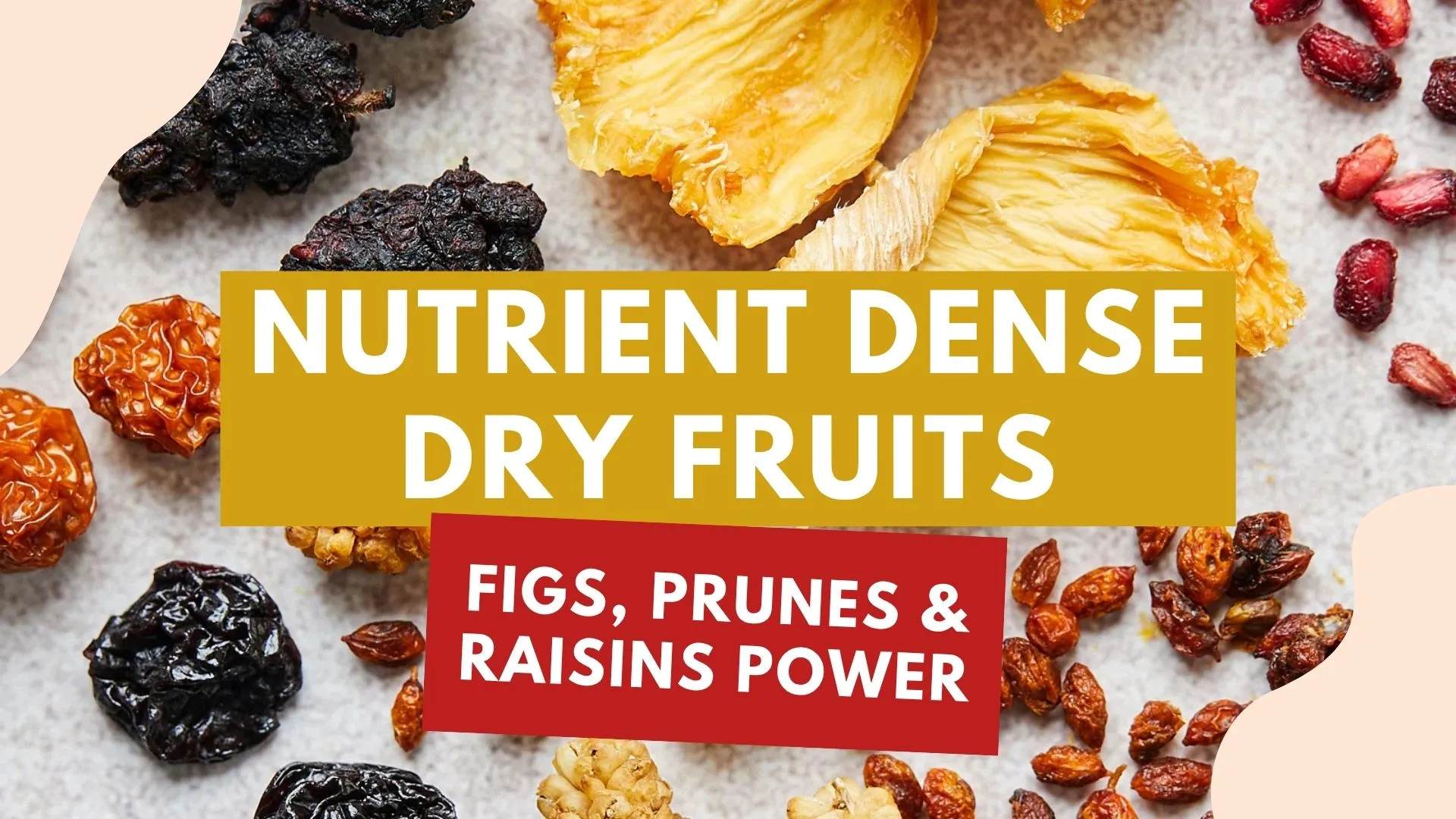
When we think about nutrient dense dry fruits, we often overlook the incredible health benefits packed into figs, prunes, and raisins. These dried powerhouses offer concentrated nutrition that can significantly enhance our well-being. Are fruits nutrient dense even after dehydration? In fact, the drying process concentrates essential vitamins, minerals, and fiber, making dried fruit more nutritious per serving than fresh varieties in many cases. Understanding dry fruits have which nutrients helps us make informed dietary choices. Whether you shop at a local bazaar or browse the best dry fruits online in Pakistan, these three should always be in your cart.
In this guide, we’ll explore the most nutrient dense dry fruits, compare their nutritional profiles, and show you how to incorporate them into your daily routine for maximum health benefits.
What Makes Nutrient Dense Dry Fruits So Powerful?
Concentrated Nutrition Through Dehydration
Dehydration removes water content from fruits while preserving their nutritional core. This process concentrates vitamins, minerals, and fiber into a smaller package. When fresh fruits lose their moisture, the remaining nutrients become significantly more dense per gram of weight.
The science is straightforward. Fresh fruits contain approximately 86-89% water. Removing this moisture leaves behind a concentrated source of essential nutrients. One piece of dried fruit delivers the same nutrients as fresh fruit but in a much more compact form. By weight, dried fruit contains up to 3.5 times the fiber, vitamins, and minerals of fresh fruit.
The concentration effect is striking. Fresh grapes contain about 70 calories per 100 grams, while raisins pack over 300 calories in the same weight. Similarly, 100 grams of fresh apricots has 51 calories, whereas dried apricots contain 260 calories. This doesn’t indicate added ingredients. It reflects pure nutrient concentration.
If you want to enjoy these naturally nutrient-dense snacks in premium quality, explore our premium dehydrated fruits online at Dry Fruits Mart and experience the perfect balance of taste, health, and convenience.
Key Nutrients Found in Dry Fruits
Most nutrient dense dry fruits retain their mineral content exceptionally well. Potassium, magnesium, and iron remain largely intact because these minerals are not damaged by heat or air exposure. Dried apricots and raisins deliver concentrated potassium, while prunes and figs serve as excellent iron sources.
Fiber content actually increases on a per-serving basis. Dried fruits contain two to three times the fiber of their fresh counterparts. A 20-30 gram serving provides 10-16% of daily fiber needs. This fiber concentration supports digestive health and helps regulate blood sugar when consumed with other foods.
Antioxidants respond differently to dehydration. Polyphenol antioxidants can become more concentrated as water leaves. Certain dry fruits like raisins, dates, and prunes contain more antioxidants per gram than their fresh equivalents. However, vitamin C losses range significantly. Conventional drying can reduce vitamin C content by 50% or more, while some methods result in losses between 2 to 10 times compared to fresh produce.
To understand the full spectrum of how dry fruits support your wellbeing, read our complete guide on the health benefits of dry fruits.
How Nutrient Density Compares to Fresh Fruits
Is dried fruit more nutritious than fresh? The answer depends on which nutrients matter most to you. Dried fruits offer slightly more vitamins and minerals overall, with potassium and folate being more concentrated. Fresh fruits win for vitamin C content and hydration, containing far more water.
The calorie-to-nutrient ratio shifts dramatically. Dried fruits pack more nutrition per ounce but also deliver more calories and natural sugars. A cup of grapes holds approximately 15 grams of sugar, whereas a cup of raisins contains more than 85 grams. This concentration means portion control becomes necessary. A 30-gram serving of dried fruit equals roughly 80 grams of fresh fruit.
Dried Figs (Anjeer): The Fiber and Mineral Powerhouse
Nutritional Profile of Figs
Dried figs deliver 249 kcal per 100 grams, substantially more than the 74 kcal found in fresh varieties. This energy concentration comes with impressive nutritional gains. Protein content jumps from 0.75g in fresh figs to 3.3g in dried form. Fiber increases from 2.9g to 9.8g per 100 grams, making dried figs one of the most nutrient dense dry fruits for digestive support.
The mineral profile transforms dramatically through dehydration. Calcium content rises from 35mg to 162mg per 100 grams. Iron increases from 0.37mg to 2.03mg. Potassium concentrations reach 680mg in dried figs compared to 232mg in fresh. A single 100-gram serving provides 10 grams of fiber, meeting a significant portion of daily requirements.
Vitamin K content reaches 15.6mcg per 100 grams in dried figs, more than triple the 4.7mcg found in fresh. This vitamin plays a direct role in bone metabolism. Sugar naturally concentrates during drying, increasing from 16.26g to 47.92g per 100 grams. Each serving contains 19-26g of naturally occurring sugar, paired with 4g of fiber that helps moderate absorption.
You can buy dried figs (anjeer) online in multi packs for the freshest quality delivered to your doorstep.
Digestive Health Benefits
Fiber creates the foundation for digestive wellness in figs. The 9.8g of fiber per 100 grams includes both soluble and insoluble types that support bowel regularity. Dried figs absorb water and soften stool, facilitating easier bowel movements without harsh interventions.
A 2019 study involving 150 people with irritable bowel syndrome found that consuming approximately 4 dried figs (45g) twice daily produced significant symptom reduction, including decreased pain, bloating, and constipation. Figs function as prebiotics, providing food for beneficial gut bacteria and improving overall gut health. This prebiotic action extends beyond simple fiber benefits.
Regular consumption reduces bloating and enhances gut movement. The fiber-to-calorie ratio in figs explains many of their digestive and metabolic effects. Consistent intake leads to smoother digestion and better nutrient absorption.
Supporting Bone Health with Figs
Calcium and potassium work synergistically in figs to maintain bone density. A 60-gram serving delivers 96mg of calcium, while a half-cup of dried figs contains approximately 121mg. Potassium content reaches about 235mg per serving, helping neutralize acids that can leach calcium from bones.
Studies indicate that potassium-rich diets improve bone health and reduce bone turnover. Calcium serves as the structural foundation of bones, and increased intake improves bone mineral structure in children and adolescents. Magnesium contributes moderate amounts that support mineral balance, aiding the conversion of vitamin D into its active form for calcium absorption.
Vitamin K activates proteins that bind calcium to the bone matrix, ensuring consumed calcium strengthens bones effectively. This combination of minerals positions figs as a powerful option for preventing osteoporosis. The benefits particularly matter for those seeking non-dairy calcium sources.
Prunes (Aloo Bukhara): Natural Digestive Support and Beyond
What Makes Prunes Unique
Prunes contain 6.1g of dietary fiber per 100g, but their digestive power stems from sorbitol content reaching 14.7g per 100g. This naturally occurring sugar alcohol draws water into the intestines, creating a gentle laxative effect without chemical intervention. Phenolic compounds measure 184mg per 100g, primarily as neochlorogenic and chlorogenic acids that delay glucose absorption and support digestive function.
One serving of four prunes provides 92 kilocalories, 2.4g of dietary fiber, 280mg of potassium, and 22.8µg of vitamin K. Potassium concentrations reach 745mg per 100g, surpassing most fruits. Prunes also serve as an important boron source, with a 100g serving fulfilling the daily requirement of 2-3mg. This mineral profile creates synergistic effects throughout the body.
Explore and buy prunes online in Pakistan for your health and nutrition.
Gut Health and Regularity Benefits
Clinical evidence positions prunes ahead of common fiber supplements. A study comparing prunes to psyllium found that 100g daily for three weeks improved stool frequency to 3.5 complete spontaneous bowel movements per week versus 2.8 with psyllium. Stool consistency scores improved from 2.8 to 3.2 on the Bristol scale, indicating softer, easier passage.
Research involving 120 healthy adults with low fiber intake demonstrated that 80g daily increased stool weight by 22.2g, while 120g daily added 32.8g. Stool frequency rose significantly in both groups. The fiber in prunes is mostly insoluble, adding bulk and speeding waste movement through the digestive tract. Prunes also increased Bifidobacteria levels, beneficial microbes linked to better gut health and protection against colon cancer.
Antioxidant Power of Prunes
Prunes contain more than twice the antioxidant levels of blueberries. Owing to concentration during drying, their antioxidant score measures seven times higher than fresh plums. Studies in postmenopausal women showed that 50-100g daily reduced inflammatory cytokines and activated monocytes, immune cells driving chronic inflammation.
Polyphenol antioxidants, especially anthocyanins, deliver anti-inflammatory effects by modulating oxidative stress pathways. These compounds may reduce heart disease and diabetes risk.
Prunes are among the top recommended dry fruits during a healthy pregnancy because they prevent two of the most common pregnancy complaints
Supporting Bone Density
Sixteen preclinical studies confirm prunes prevent and reverse bone loss. Human trials in postmenopausal women found that 50g daily (5-6 prunes) prevented bone loss effectively. A 12-month study showed women eating 4-6 prunes daily maintained bone density and strength at weight-bearing sites, while control groups experienced losses.
Prunes enhance bone formation and inhibit bone resorption through cell signaling pathways. Their vitamin K, potassium, and phenolic content work together, making them particularly effective for osteoporosis prevention in at-risk populations.
Raisins (Kishmish): Energy Boosting Sweet Gems
Nutritional Composition of Raisins
Raisins pack concentrated sweetness alongside impressive nutrition. A standard 1-ounce serving contains 129 calories, 1.42g protein, and just 0.11g fat. The 28.03g of sugar provides quick energy, balanced by 1.9g of dietary fiber. Per 100 grams, raisins deliver 299 calories with 3.1g protein, 79g carbohydrates, and 3.7g fiber.
The mineral profile stands out among nutrient dense dry fruits. One ounce provides 320mg of potassium, 15mg magnesium, 42mg phosphorus, and 0.77mg iron. Calcium reaches 50mg per 100g, while sodium stays remarkably low at just 11mg per serving. This mineral composition creates multiple health advantages.
Vitamin C content measures 1mg per ounce or 2.3mg per 100g. Raisins also provide boron, a trace mineral supporting bone and joint health, wound healing, and cognitive performance. The sugar content, predominantly fructose and glucose, gives raisins a low-to-moderate glycemic index of approximately 15±4, making them suitable even for individuals managing blood sugar.
You can also explore raisins (kishmish) online in Pakistan for the freshest quality.
Iron and Heart Health Benefits
Iron concentrations in raisins help prevent anemia. Half a cup contains 1.3mg of iron, representing 7% of daily needs. This iron, combined with copper and B vitamins, supports red blood cell production and oxygen transport throughout the body.
Cardiovascular benefits emerge from the potassium-to-sodium ratio. Studies posted to Postgraduate Medicine found that regular raisin consumption reduces cardiovascular risk factors, including blood pressure, compared to other snacks. The 749mg of potassium per 100g helps blood vessels relax. As a low-sodium food, raisins ensure adequate potassium intake, particularly important when dietary sodium runs high.
The fiber in raisins lowers LDL cholesterol, reducing strain on the heart. Research confirms raisin intake decreases total cholesterol, LDL-c, and inflammatory biomarkers. Their antioxidant capacity, correlating to phenolic content including caftaric acid, coutaric acid, quercetin, and kaempferol glycosides, further supports cardiovascular health.
Read our full breakdown of iron-rich dry fruits to see where kishmish ranks against other popular options.
Quick Energy for Active Lifestyles
Athletic performance studies validate raisins as effective training fuel. Louisiana State University researchers found that sun-dried raisins performed identically to commercial sport jelly beans during intense cycling. Trained cyclists consuming raisins achieved the same competitive times and power output. Similarly, San Diego State University confirmed no performance differences between raisins and commercial sports gels.
Raisins offer natural micronutrients like potassium and iron without added sugar, artificial flavors, or colors. Athletes rated raisins significantly higher in hedonic pleasantness scores compared to sport jelly beans. Essentially, raisins provide a nutritious, convenient, palatable, cost-effective source of concentrated carbohydrates. They’re approximately 3.5 times less expensive than commercial sports supplements, making them the most economical dried fruit option.
For a complete breakdown of black kishmish specifically — its benefits, best time to eat, and where to buy — read our detailed article benfits of black kishmish.
Comparing Nutrient Density Across Dry Fruits
Most Nutrient Dense Dry Fruits Ranked
Comparing nutritional profiles reveals clear winners among nutrient dense dry fruits. Prunes lead in vitamin K content, providing 59.5µg per 100g versus figs’ 4.7µg. By comparison, prunes contain 141% more magnesium, 215% more potassium, and 151% more iron than figs. Raisins deliver twice the iron of prunes at 1.88mg per 100g, though prunes surpass raisins in fiber content by 92%.
Copper levels tell another story. Dried fruits generally provide 38% of daily copper needs per 100g serving, supporting immune function effectively. Equally important, potassium concentrations reach 1162mg per 100g across most varieties, representing 34% of daily requirements.
Looking for high-quality dry grapes in Pakistan? Try our premium collection at Dry Fruits Mart, perfect for energy, taste, and everyday healthy snacking.
Calorie to Nutrient Ratio
Sugar concentration varies significantly. Raisins contain 59% sugar, dates reach 64-66%, figs measure 48%, and prunes hold just 38%. Calorie counts per 100g range from prunes at 240 kcal to raisins at 299 kcal. Prunes offer superior nutrient density relative to calories, delivering more vitamins and minerals per calorie consumed.
Daily Serving Recommendations
International guidelines recommend 40g of dried fruit daily. This portion equals approximately 3-4 dried figs, 4-5 prunes, or 30g of raisins. A 30g serving counts as one of your five daily fruit servings.
Where to Buy Fresh Anjeer, Prunes & Kishmish in Pakistan
Sourcing quality nutrient dense dry fruits requires attention to freshness indicators and storage practices. When selecting anjeer, prunes, or kishmish, examine the texture and appearance carefully. Fresh dried figs should feel pliable yet slightly firm, not hard or overly sticky. Prunes maintain a deep color without excessive sheen from added oils. Raisins appear plump with natural wrinkles, avoiding those that seem dried out or discolored.
Local markets and specialty stores across Pakistan stock these most nutrient dense dry fruits year-round. Accordingly, purchase from vendors with high turnover to ensure product freshness. Check packaging dates when available, selecting options processed within recent months. Bulk bins offer cost savings but require careful inspection for signs of moisture exposure or pest contamination.
Storage affects nutrient retention significantly. Keep dried fruits in airtight containers away from direct sunlight and heat sources. Refrigeration extends shelf life for several months while maintaining the fiber, minerals, and antioxidants we’ve discussed throughout this guide. Frozen storage works equally well for longer preservation without compromising nutritional value.
Price variations reflect quality differences. Premium grades typically feature uniform sizing and minimal processing. However, nutritional content remains similar across price points for the same fruit type. Focus on freshness over brand names to maximize the health benefits these nutrient dense dry fruits deliver.
Conclusion
Figs, prunes, and raisins stand out as the most nutrient dense dry fruits we can add to our daily routine. Each brings unique advantages: figs deliver fiber and bone-supporting minerals, prunes offer digestive support with powerful antioxidants, and raisins provide quick energy alongside heart-healthy nutrients.
The science is clear. These dried fruits concentrate essential vitamins, minerals, and fiber into convenient servings. A simple 40-gram daily portion gives us significant nutritional benefits without complicated meal planning.
We’ve shown you the nutritional profiles, health benefits, and practical tips for selection. Now it’s time to make these power-packed fruits a regular part of your diet for better health and vitality.
Want premium-quality anjeer, prunes, and kishmish in Pakistan? Explore our carefully sourced collection at Dry Fruits Mart—fresh, hygienic, and delivered to your doorstep at the best value.
FAQs
Q1. Which dried fruits offer the highest nutritional value?
Almonds, walnuts, figs, prunes, and raisins rank among the most nutritionally dense options. These dried fruits provide concentrated sources of antioxidants, healthy fats, fiber, and essential minerals that support heart health, digestive function, immune system strength, and weight management.
Q2. How do dried figs compare nutritionally to prunes?
Dried figs contain over 3.5 times more calcium than prunes, making them superior for bone health. They also provide twice the iron content and are significantly richer in manganese and magnesium. However, prunes excel in vitamin K content and offer unique digestive benefits through their sorbitol content.
Q3. What is the recommended daily serving size for raisins?
A serving of 8 to 10 raisins daily provides optimal health benefits without excessive natural sugar intake. For maximum nutrient absorption, soaking raisins overnight and consuming them in the morning on an empty stomach is particularly beneficial.
Q4. Can dried figs help improve heart health?
Yes, soaked figs contain antioxidants that help lower cholesterol levels and reduce triglycerides. These properties support cardiovascular health by preventing arterial blockage and maintaining healthy blood vessel function, contributing to overall heart wellness.
Q5. How much dried fruit should I consume daily for health benefits?
International guidelines recommend 40 grams of dried fruit per day, which equals approximately 3-4 dried figs, 4-5 prunes, or 30 grams of raisins. This portion counts as one of your daily fruit servings and provides significant nutritional benefits without excessive calorie intake.