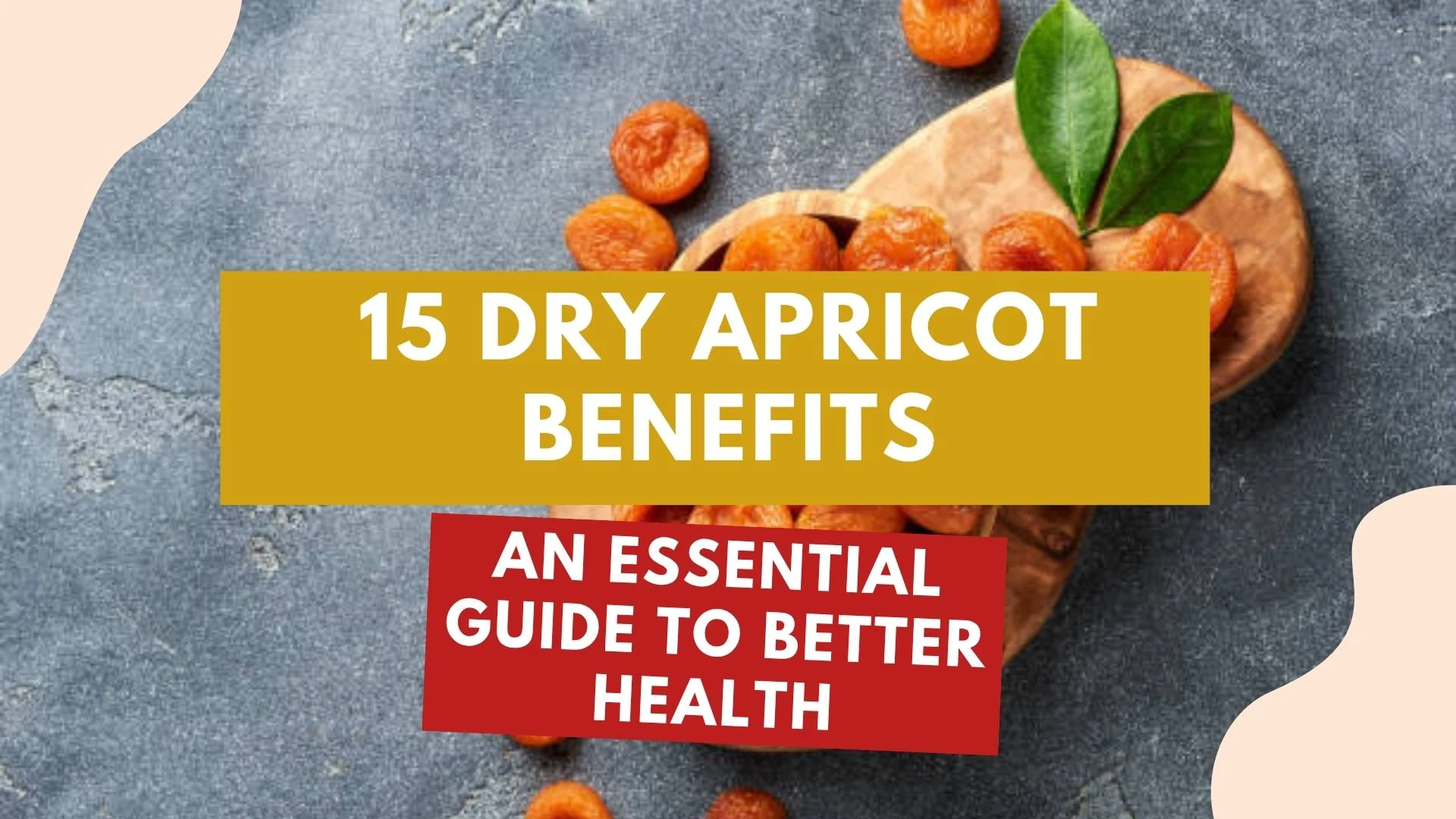
Understanding dry apricot benefits can transform your approach to natural nutrition, particularly when you consider that just 30-40 grams provides approximately 80-90 calories, 2 grams of fiber, and essential vitamins. These fresh and premium dried apricots deliver concentrated health advantages ranging from heart support to enhanced immunity. I’ve compiled this comprehensive guide covering dried apricot health benefits, including specific dry apricot benefits for male and female health, along with practical insights on dry apricot benefits and side effects to help you make informed dietary choices.
What Are Dried Apricots?
Dried apricots are one of the best dry fruit in Pakistan that comes from fruit trees cultivated in China and Central Asia as early as 2000 B.C., spreading along the Great Silk Road where they became a valuable commodity due to their extended shelf life. Known botanically as Prunus armeniaca, this member of the rose family was called the “yellow plum” by early Chinese merchants who introduced it to Persian traders. The Romans encountered apricots in the first century A.D. and named them praecocum, noting their early summer blooming pattern. Turkey now dominates global production, with approximately 95% of dried apricots coming from Malatya Province.
Origin and History
The apricot’s journey from Central Asian orchards to worldwide availability spans over four millennia. Nomadic horseback-riding tribesmen dispersed the fruit throughout the Eurasian steppe, while conquering Arabs transported it from Central Asia to the Middle East between A.D. 750 and 1258. In effect, this extensive trade network established dried apricots as a staple across multiple empires. Before California emerged as a major producer in the 20th century, dried apricots were ubiquitous throughout the Ottoman, Persian, and Russian Empires.
How Dried Apricots Are Made
The production process begins with washing fresh apricots, removing pits, and applying sulfurization. Traditional methods use 2 kg of powdered sulfur for 1 ton of fresh apricots, with fruits left in sealed rooms for 6-8 hours to absorb sulfur gas. Turkey sets maximum sulfur levels at 2000 ppm. Modern techniques employ an 8% sodium metabisulfite solution, immersing apricots for 30 minutes to achieve approximately 1500 ppm sulfur content. Indoor drying maintains temperatures at 40-50°C for 4-6 hours, gradually increasing to 70-80°C over 24-36 hours total. Sun drying requires 5-6 days at optimum temperatures of 36-40°C.
Types of Dried Apricots
Small apricots are dried whole, while larger varieties are halved before drying. Mediterranean and Turkish dry apricots whole before pitting, whereas California processors halve and pit fruit first. When treated with sulfur dioxide, apricots display a vivid orange color; organic varieties without sulfur treatment appear darker with coarser texture.
Nutritional Profile of Dried Apricots
A 100-gram serving of dried apricots delivers 241 calories with 62.64 grams of carbohydrates, 3.39 grams of protein, and only 0.51 grams of fat. This portion supplies 7.3 grams of dietary fiber alongside 53.44 grams of natural sugars. For those monitoring intake, a typical 30-gram serving (3-4 halves) contains approximately 56 calories.
For a complete calorie comparison: “Calories in Dry Fruits: List, Nutrition Facts & Portion Guide“
Vitamins and Minerals
Dried apricots provide 1280 IU of vitamin A per 100 grams, representing 20% of your daily value, primarily through beta-carotene content measured at 1912.5 micrograms per cup. The vitamin profile extends to 1 milligram of vitamin C and 4.33 milligrams of vitamin E. Similarly, B-vitamin content includes 2.589 milligrams of niacin (B3), 0.516 milligrams of pantothenic acid (B5), and 0.143 milligrams of vitamin B6.
The mineral composition stands out with 1162 milligrams of potassium per 100 grams, meeting 25% of daily requirements. Iron content reaches 2.66 milligrams (15% DV), while calcium provides 55 milligrams. Additionally, dried apricots contain 32 milligrams of magnesium, 71 milligrams of phosphorus, 0.39 milligrams of zinc, 0.343 milligrams of copper, and 0.235 milligrams of manganese.
Calorie and Macronutrient Breakdown
One cup of stewed dried apricots (250 grams) yields 212.5 calories with 55.38 grams of carbohydrates and 48.92 grams of sugars. This serving delivers 3 grams of protein, 0.45 grams of total fat, and 6.5 grams of fiber. The macronutrient distribution breaks down to approximately 93% carbohydrates, 2% fat, and 5% protein.
Comparison with Fresh Apricots
Fresh apricots contain significantly fewer calories at 48 per 100 grams as opposed to 241 in dried varieties. The drying process concentrates nutrients, resulting in dried fruit containing 47% more vitamin A than fresh apricots. In comparison, fresh apricots offer 10 times more vitamin C at 10 milligrams versus 1 milligram in dried versions. Fiber content increases from 2 grams in fresh to 7.3 grams in dried apricots per 100 grams.
1. Rich Source of Antioxidants
The antioxidant profile in dried apricots positions them among the most protective snack options available. Carotenoid concentrations range from 2.72 to 17.49 µg per gram, with beta-carotene representing 33-84% of total carotenoid content. Specific measurements show beta-carotene levels between 0.19 and 2.93 mg per 100 grams depending on variety.
Beta-Carotene and Free Radical Protection
Beta-carotene delivers potent antioxidant activity that reduces oxidative stress and boosts immune function. This compound serves as a precursor to vitamin A, converting within your body to support multiple protective mechanisms. Free radicals damage cells and contribute to chronic diseases including obesity and heart disease through oxidative stress. The antioxidants in dried apricots neutralize these harmful molecules, preventing cellular damage. Furthermore, beta-carotene supplementation reduced sunburn risk by 20% in a 10-week study.
Polyphenols and Flavonoids
Total polyphenol concentrations in dried apricots span from 219.03 to 296.96 mg per 100 grams. Organic varieties contain significantly higher polyphenol levels compared to conventional options, primarily due to elevated gallic acid, chlorogenic acid, and quercetin-3-O-rutinoside content. In similar fashion, research indicates organic crops contain up to 70% more phenolic compounds than conventionally produced fruit. The main flavonoids include chlorogenic acids, catechins, and quercetin, which work to neutralize free radicals. Studies involving 2,375 participants found high flavonoid intake associated with a 42% lower inflammation score and 56% lower oxidative stress score.
Anti-Aging Properties
Vitamin C plays a vital role in collagen production, the protein responsible for firm, elastic skin. As a result, this vitamin helps reduce wrinkle appearance and protects skin from UV damage and environmental pollutants. Beta-carotene provides additional protection against sunburns and age-related skin damage. These antioxidant compounds guard against environmental damage from sunlight, pollution, and cigarette smoke, lowering your risk of premature aging.
2. Supports Digestive Health
Fiber content makes dried apricots particularly effective for maintaining optimal digestive function. Seven halves of dried apricots contain 2 grams of total fiber, with 1.1 grams soluble and 0.9 grams insoluble. Consuming 20-30 grams of dried fruits daily provides 10-16% of the recommended daily fiber intake of 14 grams.
Soluble and Insoluble Fiber Content
Soluble fiber dissolves in water to form a gel-like substance in your gut, regulating blood sugar levels and feeding beneficial bacteria. This type includes pectin, gums, and polysaccharides that contribute to a healthy microbiome. Insoluble fiber adds bulk to stool and promotes regular bowel movements without dissolving in water. It includes cellulose, hemicellulose, and lignin that facilitate passage through the digestive tract.
Preventing Constipation
A clinical trial with 150 participants diagnosed with chronic constipation demonstrated significant improvements after consuming dried fruits. Those eating 3 ounces daily of dried apricots, organic dried prunes, and fresh raisins had an average stool weight increase of 21 grams per day, compared to 1.6 grams in the placebo group. These participants also experienced 1.3 more complete spontaneous bowel movements per week. The laxative effect stems from both fiber and sorbitol content, with sorbitol acting as an osmotic laxative that draws water into the intestines and softens stool. Dietary fiber encourages bowel movements by promoting peristalsis, the rhythmic contractions of the intestines.
Promoting Healthy Gut Bacteria
Soluble fiber acts as a prebiotic, nourishing beneficial gut bacteria. A human trial evaluating three servings of sun-dried raisins daily for 14 days found enhanced levels of Faecalibacterium prausnitzii and Ruminococcaceae, important bacteria for breaking down complex carbohydrates. In similar fashion, prune supplementation significantly enhanced Bifidobacteria abundance compared to control groups.
3. Boosts Eye Health and Vision
Dried apricots deliver exceptional protection for your eyes through a concentrated blend of vision-supporting nutrients. Each 100-gram serving provides 1,280 IU of vitamin A alongside beta-carotene, lutein, zeaxanthin, and vitamins C and E that shield your eyes from damage.
Vitamin A for Night Vision
Vitamin A performs a vital function in preventing night blindness, a disorder caused by insufficient light pigments in your eyes. Beta-carotene, the compound responsible for apricots’ yellow-orange color, serves as a precursor that your body converts into vitamin A. Just three apricots supply roughly 50% of your recommended daily intake of beta-carotene. This conversion enables production of rhodopsin, the pigment in your eyes that makes vision in dim light possible. Without adequate vitamin A, the first symptom you’ll experience is difficulty seeing well at night, though severe deficiency can progress to corneal damage.
Lutein and Zeaxanthin Benefits
Lutein and zeaxanthin concentrate in the lenses and retinas of your eyes, where they safeguard against oxidative stress. These carotenoids collect specifically in and around the macula, functioning analogous to internal sunglasses for your eyes. Vitamin E, working alongside lutein and zeaxanthin, enters your eyes directly as a fat-soluble antioxidant to protect them from free radical damage. These compounds block cell-damaging free radicals and absorb harmful blue and near-ultraviolet light to protect the retina.
Preventing Age-Related Macular Degeneration
Research shows that consuming three or more servings of fruit daily may lower your risk of age-related macular degeneration by 36% compared with people eating fewer than 1.5 servings. Higher dietary intake of lutein and zeaxanthin consistently links to reduced risk of both AMD and cataracts. Vitamin A and beta-carotene help lower your risk of cataracts while reducing your chance of developing age-related eye diseases.
4. Improves Heart Health
Cardiovascular protection ranks among the most significant dried apricot health benefits, with research showing dried fruit intake significantly reduces the risk of heart failure and stroke. The antioxidant and anti-inflammatory components improve myocardial contractility by reducing oxidative stress and enhancing calcium handling in heart muscle.
Potassium for Blood Pressure Regulation
Potassium serves as both an electrolyte and a critical regulator of blood pressure. Two dried apricots provide 181 mg of this mineral, representing 4% of your daily value. More substantially, 100 grams deliver over 1,100 mg, covering roughly one-third of the daily requirement for most adults who need 2,600-3,400 mg depending on gender and activity level.
This mineral regulates heartbeat and supports normal blood pressure by balancing sodium levels in your body. An analysis of 33 studies found that potassium-rich diets significantly reduced blood pressure and resulted in a 24% lower risk of stroke. In particular, the naturally low sodium content combined with high potassium ratio makes dried apricots a heart-friendly snack. Combine with our walnuts akhrot — the omega-3 and potassium combination from both provides one of the most powerful natural cardiovascular protocols.
Reducing LDL Cholesterol
The fiber content in dried apricots helps lower cholesterol levels through multiple mechanisms. Pectin, a specific type of soluble fiber found in these fruits, absorbs excess cholesterol from the bloodstream. As a result, dietary fibers may help reduce your risk of heart disease by lowering blood cholesterol levels and decreasing obesity risk. Dried fruits serve as excellent sources of antioxidants and fiber that may help reduce inflammation and bad cholesterol levels.
Supporting Healthy Blood Circulation
Antioxidant vitamins including vitamin A, C, and E interact with free radicals and prevent oxidative damage to low-density lipoprotein, reducing cardiovascular disease risk. Similarly, the combination of potassium, calcium, magnesium, and vitamin C helps reduce inflammation and improve overall circulation throughout your body.
5. Enhances Skin Health and Appearance
Skin appearance improves significantly through regular consumption of dried apricots, thanks to their powerhouse combination of vitamins A, C, and E. These nutrients work synergistically to address multiple skin concerns, from premature aging to environmental damage.
Vitamin C for Collagen Production
Vitamin C performs a dual role in maintaining youthful skin by promoting collagen production and enhancing skin elasticity. This vitamin helps your body build collagen, the structural protein that provides skin with strength and firmness. Particularly noteworthy, vitamin C inhibits melanin production, the pigment responsible for skin darkening and hyperpigmentation. Furthermore, this antioxidant helps your skin heal from UV damage while preventing future wrinkle formation.
Protection Against UV Damage
Beta-carotene transforms into vitamin A (retinol) within your body, delivering extra protection against sunburns and the long-term dangers of UV rays. This carotenoid acts analogous to an internal sunscreen, shielding your skin from the inside out. Vitamin C guards against UV deterioration and environmental pollutants by counteracting free radicals. The antioxidants in dried apricots protect against damage from sunlight, pollution, and cigarette smoke.
Reducing Wrinkles and Fine Lines
Vitamins C and E work together to reduce wrinkle appearance and combat signs of aging. Retinol and retinoid compounds decrease fine lines and wrinkles, contributing to smoother skin texture. The collagen-building properties of vitamin C give your skin the elasticity needed to resist wrinkle formation. These combined effects lower your risk of premature skin aging while maintaining a healthier, more radiant appearance.
6. Strengthens Bone Density
Bone health receives substantial support from the mineral composition in dried apricots. Research involving osteopenic mice demonstrated that dried fruits, particularly dried plums and to a lesser extent apricots, protect against bone loss. Per 100 grams, dried apricots deliver 120 milligrams of phosphorus and 65 milligrams of magnesium, both contributing to skeletal strength.
Calcium and Phosphorus Content
Phosphorus works alongside calcium to maintain normal bone structure. Your body requires both minerals in order to build the bone matrix, the structural framework providing bones with their strength. Calcium forms the foundation of bones and teeth, while phosphorus contributes to bone maintenance and reduces fracture risk. Dried apricots provide a natural source of these minerals that supports daily requirements.
Magnesium for Bone Formation
Magnesium performs a dual function by regulating calcium levels and supporting bone formation. This mineral converts vitamin D into its active form, which enables your body to absorb calcium efficiently. Without adequate magnesium, calcium absorption decreases significantly regardless of intake levels. Furthermore, dried apricots contain boron, a trace mineral that affects bone formation. Low boron intake reduces calcium and vitamin D levels, which can compromise bone mineral density.
Preventing Osteoporosis
Over 43 million Americans have been diagnosed with osteoporosis or osteopenia, with an estimated 1.5 million osteoporotic-related fractures occurring annually. Potassium in dried apricots helps maintain bone mineral density by neutralizing acids that deplete calcium from bones. This mineral balances your body’s pH levels, preventing excessive calcium loss through urine. Regular consumption of mineral-rich foods like dried apricots helps maintain bone mass, particularly as we age.
7. Supports Immune System Function
Your immune system gains substantial reinforcement from the vitamin and antioxidant profile in dried apricots. Beta-carotene and other carotenoids strengthen immune defenses against infections, while vitamin A functions as an anti-inflammatory vitamin that enhances overall immune function. These bioactive compounds contribute to your body’s ability to fight off pathogens and maintain optimal health.
Also read:”10 Dry Fruits to Boost Your Immune System Naturally“
Vitamin C and White Blood Cell Production
Vitamin C plays an essential role in immune system function, as it supports the production and activity of white blood cells. Your body cannot produce this vitamin, making dietary intake through foods like dried apricots necessary. In effect, vitamin C acts as an antioxidant protecting cells from damaging free radicals while simultaneously boosting immune cell activity.
Anti-Inflammatory Properties
Apricots contain significant compounds that reduce inflammation in diseased tissues. Studies support the presence of fatty acids in apricot kernel natural oil with anti-inflammatory properties. Coupled with their high antioxidant activity, these compounds help lower inflammation markers and protect against chronic inflammatory conditions.
Fighting Common Infections
Research demonstrates that apricots possess broad antibacterial activities against common pathogens. Two independent research groups found that apricots prevent periodontal bacterial infections, particularly Aggregatibacter actinomycetemcomitans and Porphyromonas gingivalis, while inhibiting bacterial growth in the oral cavity. These protective effects help your body resist common infections more effectively.
8. Regulates Blood Sugar Levels
Blood sugar control becomes achievable with dried apricots on account of their favorable glycemic response. Clinical trials demonstrate these fruits safely decrease glucose concentration and reduce diabetes complication risks.
Also read:”9 Dry Fruits for Diabetic Patients: Safe & Healthy Options“
Low Glycemic Index Benefits
Dried apricots score between 30 and 42 on the glycemic index scale, placing them firmly in the low-GI category. This matters because foods under 55 cause blood sugar to rise gradually rather than spiking rapidly. White bread scores 71, making dried apricots a safer alternative for glucose management.
However, glycemic load tells a more complete story. A 100-gram serving carries a high GL of approximately 19.5 to 21.2, but reducing your portion to 30 grams (4-5 halves) drops the GL to around 6, classified as metabolically safe. This 30-gram portion delivers roughly 15 grams of carbohydrates, aligning with diabetes nutrition standards.
Clinical trials show that replacing half the available carbohydrate from white bread with dried apricots significantly lowers post-meal blood sugar response through what researchers call the displacement effect.
Fiber for Insulin Sensitivity
Soluble fiber, particularly pectin, forms a gel-like layer in your gut that physically slows glucose movement into your bloodstream. This creates a flatter, more stable blood sugar curve. Furthermore, dried apricots contain sorbitol, a natural sugar alcohol that digests slowly and produces almost no insulin response. Together, these compounds act as natural brakes on blood sugar elevation.
9. Dry Apricot Benefits for Male
Male reproductive health receives targeted support from dried apricots through specific nutrient pathways. The mineral and vitamin composition addresses testosterone production, sperm health, and physical stamina.
Also read:”Top 18 Dry Fruits Benefits for Men: Energy & Sexual Health“
Boosting Testosterone Naturally
Zinc in dried apricots supports testosterone levels, with deficiency linked to reduced libido and sexual performance. Antioxidants including beta-carotene and vitamins C and E combat oxidative stress, a factor behind testosterone decline. In effect, protecting hormonal systems preserves your drive and vitality.
Improving Sperm Quality and Count
Vitamin A proves essential for spermatogenesis and male reproductive tract health, with long-term deficiency causing testicular tissue shrinkage. The antioxidants reduce oxidative stress while improving sperm quality and motility. Dried apricots contain lycopene, an antioxidant that may enhance sperm morphology. These compounds support healthy sperm development necessary for fertility.
Enhancing Sexual Stamina and Performance
Natural sugars and iron combat fatigue while improving blood oxygen levels, both essential for maintaining stamina. Without sufficient iron, chronic fatigue diminishes sexual interest and performance. Furthermore, potassium and antioxidant content promotes cardiovascular health, keeping blood flow strong. Potassium and magnesium regulate muscle contractions and recovery, supporting muscles that matter during physical activity.
10. Dry Apricot Benefits for Female
Women face unique nutritional challenges, particularly during reproductive years when iron requirements surge. Dried apricots address these needs through targeted nutrient delivery.
Also read: “Nurturing Motherhood: 10 Best Dry Fruits for a Healthy Pregnancy“
Supporting Reproductive Health
Pregnancy nutrition benefits from dried apricots considerably. Folic acid content prevents congenital disabilities such as spina bifida in newborn babies. Furthermore, research involving Slovak women of reproductive age found that consuming apricot seeds daily affected plasma lipid and endocrine profiles, with testosterone and androstenedione levels increasing significantly after 42 days. The combination of iron, folic acid, and calcium supports fetal bone development and healthy blood circulation during pregnancy.
Iron for Preventing Anemia
Each 100 grams contains approximately 6 milligrams of iron, meeting 35% of daily requirements. Women aged 19-50 require around 18 milligrams daily owing to menstrual losses. This non-heme iron supports red blood cell production and helps rebuild hemoglobin. Pregnant women particularly benefit, as adequate iron intake prevents anemia that could cause deadly outcomes for the baby.
Hormonal Balance During Menstruation
Dried apricots contain phytoestrogens that support hormonal balance. Research published in the American Journal of Epidemiology found that iron helps prevent PMS symptoms, possibly through effects on mood-boosting serotonin. The recommended intake of 30-40 grams daily delivers hormone-supporting nutrients without creating blood sugar instability.
11. Aids in Weight Management
Weight management becomes more manageable when you incorporate dried apricots strategically into your eating pattern. The fiber content discourages overeating by promoting fullness, helping you maintain better control over daily calorie intake.
Also read: “15 Best Dry Fruits for Weight Loss: A Nutritious Guide“
High Fiber for Satiety
Fiber encourages satiety, which directly reduces overeating and supports weight control. Beyond making you feel full, fiber slows down your digestive process, helping you avoid unhealthy snacking between meals. Eating foods high in fiber requires more energy to digest, which indirectly assists your weight loss efforts through increased calorie expenditure. A typical 30-gram serving (about a small handful) provides sustained fullness without excessive calories.
Natural Energy Without Blood Sugar Spikes
Natural sugars in dried apricots deliver energy without the guilt associated with processed sugary snacks. Selecting dried apricots over high-calorie alternatives represents a smart choice for anyone pursuing weight goals. Their inherent sweetness reduces sugar cravings while encouraging healthier eating patterns.
Curbing Unhealthy Cravings
Pairing dried apricots with protein sources extends satiety even further. Try combining a small handful with almonds (badam), yogurt, or cottage cheese to control cravings more effectively. Eating them during meals rather than continuous snacking protects your teeth and prevents overconsumption. Pre-portioning into small bags helps you avoid overeating and makes them convenient for work or errands.
12. Promotes Brain Function and Mental Clarity
Cognitive performance relies heavily on consistent nutrient delivery to brain tissues. The minerals in dried apricots support neural pathways and mental sharpness through multiple mechanisms.
Potassium for Nerve Signaling
Potassium enables neurons to transmit electrical signals throughout your brain and nervous system. This mineral maintains the electrical gradient across cell membranes, allowing nerve impulses to fire properly. With 1162 milligrams per 100 grams, dried apricots supply substantial potassium that facilitates communication between brain cells. This electrolyte regulates the sodium-potassium pump, which generates the action potentials necessary for thought, memory formation, and rapid decision-making. In effect, adequate potassium intake keeps your mental processing speed optimal.
Iron for Oxygen Transport to Brain
Iron carries oxygen to brain cells through hemoglobin in red blood cells. Your brain consumes roughly 20% of your body’s oxygen despite representing only 2% of body weight. The 2.66 milligrams of iron per 100 grams helps maintain this oxygen supply. Without sufficient iron, brain tissues receive inadequate oxygen, causing difficulty concentrating, mental fatigue, and reduced cognitive performance.
Protecting Against Cognitive Decline
Antioxidants in dried apricots combat oxidative stress that damages brain cells over time. Beta-carotene, vitamins C and E work together to neutralize free radicals in neural tissue. Furthermore, the combination of minerals and vitamins supports neurotransmitter production and protects myelin sheaths covering nerve fibers, maintaining signal transmission efficiency as you age.
13. Helps Prevent Chronic Diseases
Chronic disease prevention emerges as a compelling reason to add dried apricots to your routine. The compound effects of vitamins, minerals, and phytochemicals create protective mechanisms against conditions that develop over years of cellular damage.
Reducing Oxidative Stress
Cellular aging accelerates when free radicals outnumber your body’s antioxidant defenses. This imbalance, called oxidative stress, damages DNA, proteins, and cell membranes. The carotenoids and vitamins in dried apricots neutralize these reactive molecules before they trigger disease processes. In effect, consistent antioxidant intake builds a protective barrier against conditions like diabetes, cardiovascular disease, and neurodegenerative disorders that stem from cumulative cellular damage.
Anti-Cancer Properties
Polyphenols and flavonoids interfere with cancer development at multiple stages. These compounds block the formation of carcinogenic substances while inhibiting tumor cell growth. The beta-carotene content specifically shows promise in reducing lung, colon, and prostate cancer risk. Furthermore, fiber speeds the transit of waste through your digestive system, limiting exposure to potential carcinogens.
Lowering Inflammation Markers
Chronic inflammation underlies most degenerative diseases, from arthritis to heart disease. The anti-inflammatory compounds in dried apricots suppress inflammatory pathways at the cellular level. This reduces the production of inflammatory cytokines that damage tissues over time. As a result, regular consumption may lower your risk of developing inflammation-driven chronic conditions.
How to Incorporate Dried Apricots Into Your Diet
Making dried apricots a regular part of your meals requires understanding proper portions and timing.
Daily Recommended Serving Size
Standard guidelines recommend 30-40 grams daily, equivalent to 3-4 apricot halves. The FDA sets maximum dried fruit consumption at 40 grams per day. Use your hands as a measuring tool: join two thumbs together to visualize the ideal portion size. This serving provides roughly 56 calories while delivering substantial fiber and nutrients.
Recipe Ideas and Snack Options
Brown rice gains depth when tossed with sautéed garlic, dried apricots, dried cranberries, and slivered almonds. For instance, Moroccan tagines benefit from the tangy-sweet flavor dried apricots provide to chicken or lamb stews. Blend soaked apricots with spinach, dried banana, and almond milk for vitamin A-rich smoothies. Trail mix combining apricots with premium nuts and dark chocolate chips offers portable energy. Similarly, add diced apricots to quinoa salads alongside goat cheese and toasted pecans.
Best Time to Eat Dried Apricots
Morning consumption optimizes metabolism and nutrient absorption. Pre-workout timing provides sustained energy without straining your body. Midday snacking curbs cravings between meals. Avoid overly sugary varieties before bed, as they may interfere with sleep.
Dry Apricot Benefits and Side Effects
Balancing dry apricot benefits with awareness of potential side effects allows you to consume them safely. Most people tolerate dried apricots well, but certain considerations apply depending on your health status.
Potential Digestive Discomfort
High fiber content, while beneficial, can cause bloating, gas, or diarrhea when consumed excessively. This occurs especially in people with sensitive digestive systems. To avoid abdominal pain and digestive disruption, limit intake to a maximum of 8 dried apricots daily. Children should consume only 4 pieces, while infants need just half to one pureed apricot.
Sugar Content Considerations for Diabetics
Dried apricots contain concentrated natural sugars that can spike blood sugar if portions aren’t controlled. Fresh apricots prove safer than dried versions due to lower sugar concentration. Portion control remains crucial for diabetes management.
Sulfite Sensitivity and Allergic Reactions
Sulfite-sensitive individuals with asthma may experience wheezing, chest tightness, and coughing, affecting 4-5% of asthma patients. Symptoms include runny nose, difficulty breathing, and rarely, anaphylaxis with rapid heartbeat, hives, and dizziness. Organic, unsulfured varieties avoid this preservative entirely. Testing requires gradual sulfite administration under medical supervision.
Safe Consumption Guidelines
Stick to 30-40 grams daily as recommended by FDA guidelines. Patients with kidney failure should exercise caution. Avoid apricot kernels, which contain amygdalin that converts to cyanide after consumption.
Conclusion
Dried apricots pack powerful nutrition into a small package, supporting everything from heart health and digestion to eye protection and bone density. I’ve shown you how these golden fruits benefit both male and female health through targeted nutrients that address specific needs.
Without a doubt, the key to unlocking these benefits lies in portion control. Stick to 30-40 grams daily to avoid digestive discomfort while maximizing nutritional gains. Choose organic varieties if you’re sensitive to sulfites.
Start small by adding a handful to your morning routine or pre-workout snack. Your body will thank you for this simple, nutrient-dense addition. Order dried apricots online in Pakistan and get them delivered fresh to your doorstep with nationwide delivery.
FAQs About Dry Apricots Benefits
Q1. How many dried apricots should I eat daily for optimal health benefits?
The recommended daily serving is 30-40 grams, which equals approximately 3-4 dried apricot halves. This portion provides essential nutrients including fiber, vitamins, and minerals while keeping calorie intake moderate at around 56 calories. Consuming this amount helps you gain the health benefits without risking digestive discomfort or excessive sugar intake.
Q2. Can dried apricots help manage high blood pressure?
Yes, dried apricots can support healthy blood pressure levels due to their high potassium content. With over 1,100 mg of potassium per 100 grams, they help regulate heartbeat and balance sodium levels in the body. Studies show that potassium-rich diets can significantly reduce blood pressure and lower stroke risk by up to 24%.
Q3. Are dried apricots effective for treating or preventing anemia?
Dried apricots are beneficial for preventing anemia, particularly in women. They contain approximately 6 mg of iron per 100 grams, meeting 35% of daily iron requirements. This iron supports red blood cell production and hemoglobin rebuilding, making them especially valuable for women of reproductive age who need around 18 mg of iron daily due to menstrual losses.
Q4. What are the potential side effects of eating too many dried apricots?
Consuming excessive amounts of dried apricots can cause digestive issues like bloating, gas, or diarrhea due to their high fiber content. The concentrated natural sugars may also spike blood sugar levels, particularly in diabetics. Additionally, sulfite-sensitive individuals may experience allergic reactions. It’s best to limit intake to a maximum of 8 dried apricots daily for adults.
Q5. Do dried apricots have a low glycemic index suitable for diabetics?
Dried apricots have a low glycemic index ranging from 30 to 42, meaning they cause gradual rather than rapid blood sugar increases. However, portion control is crucial since a 100-gram serving has a high glycemic load. Sticking to a 30-gram portion (4-5 halves) keeps the glycemic load around 6, which is considered metabolically safe for blood sugar management.
About the Author: Sharjeel Yaseen