On This Page
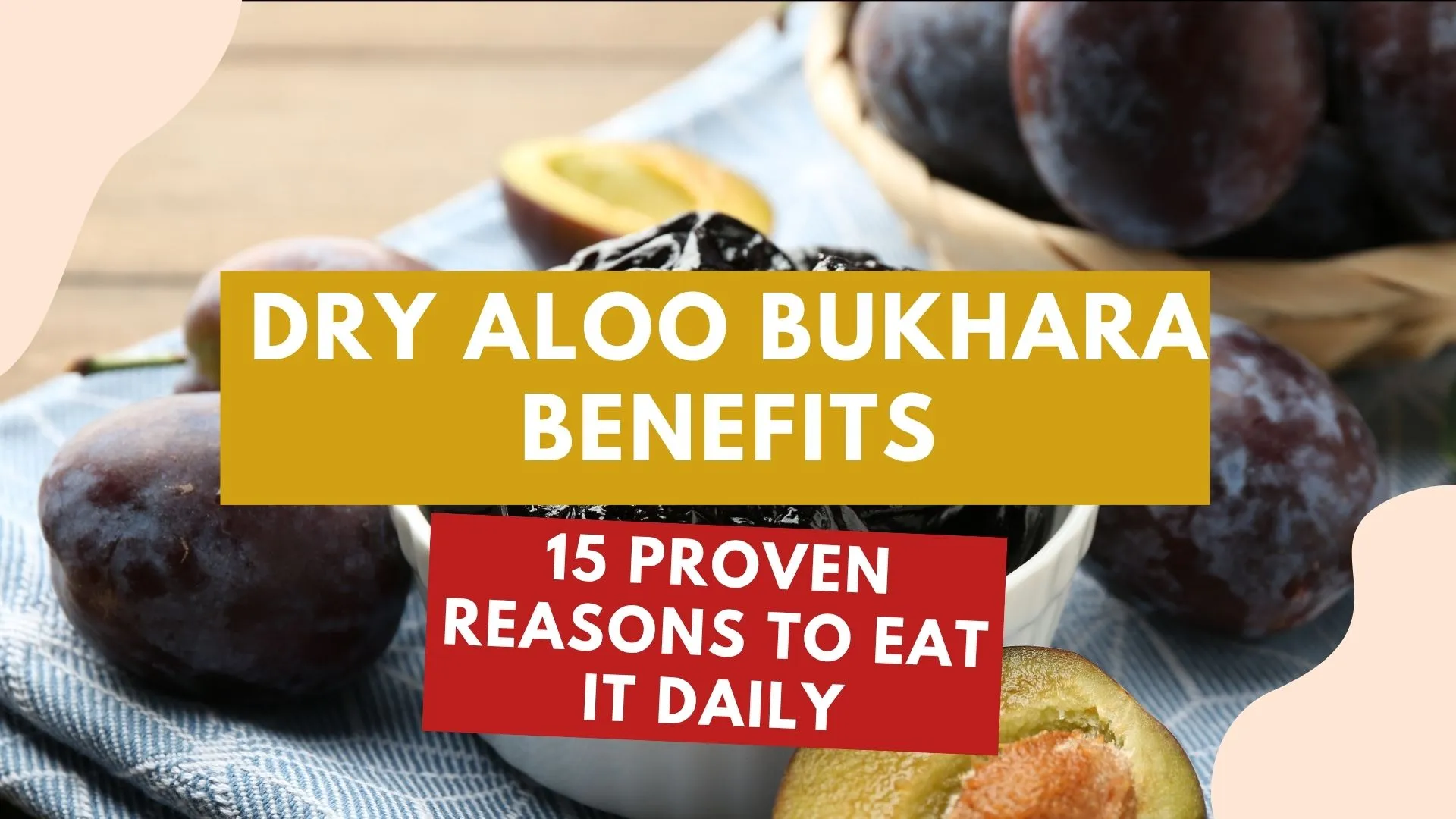
Most people know dry aloo bukhara as a remedy for constipation, but its benefits go further. A quarter cup can provide about 12% of your daily fiber needs and a good share of your vitamin K. These dried plums contain about 240 kcal per 100 grams and are rich in antioxidants, potassium and other minerals that support everything from bone health to heart function.
Like other dry fruit benefits, the value of aloo bukhara comes from eating it regularly and in the right amount. Below are 15 health benefits of dry aloo bukhara, along with what the research says, how to eat it and who should be careful.
What Is Dry Aloo Bukhara?
Aloo Bukhara is the Urdu name for dried plums. In Pakistan, it usually means the small, sweet-sour dried plum used in cooking, available as black aloo bukhara and red dried plums. Prunes are the larger, sweeter dried plums common in the West. Both come from the same plum family and have a similar nutrition profile. Most of the research mentioned below was done on prunes.
Drying removes most of the water from fresh plums, leaving a wrinkled, dark fruit with a concentrated sweet-sour taste and a chewy texture. Fresh plums have about 46 kcal per 100g, while dried aloo bukhara is much more concentrated in both calories and nutrients. It is easy to carry and store, which makes it a handy snack.
In Pakistani cooking, aloo bukhara has a special place. Its tangy sweetness adds depth to aloo bukhara chutney, qorma, pulao and biryani, and it is widely used in curries for that distinctive sweet-tart taste.
Nutritional Profile of Dry Aloo Bukhara (Per 100g)
Here is the nutritional breakdown of dried plums per 100 grams. Drying concentrates many of the fruit’s vitamins and minerals.
| Nutrient | Amount |
|---|---|
| Calories | 240 kcal |
| Carbohydrates | 63 g |
| Dietary Fiber | 7 g |
| Sugars | 38 g |
| Protein | 2.2 g |
| Fat | 0.4 g |
| Potassium | 732 mg |
| Iron | 0.9 mg |
| Vitamin A | 781 IU |
| Vitamin K | 59.5 mcg |
| Vitamin C | 0.6 mg |
| Magnesium | 41 mg |
| Calcium | 43 mg |
Source: USDA FoodData Central (dried plums)
List of 15 Health Benefits of Dry Aloo Bukhara
These nutrients translate into a range of health benefits. Some are well supported by human studies, especially for digestion and bones, while others are based on early or lab research.
Here are 15 benefits of dry aloo bukhara:
- Improves Digestive Health – Fiber and sorbitol work together to regulate bowel movements and support gut health.
- Strengthens Bone Density – Vitamin K and boron support bone formation and help slow age-related bone loss.
- Supports Heart Health – Potassium, fiber and antioxidants help support healthy cholesterol and blood pressure.
- Helps Manage Blood Sugar – A low glycemic index means a moderate portion does not cause sharp sugar spikes.
- Supports the Immune System – Antioxidants and vitamin A support your body’s natural defenses.
- Aids Weight Management – Fiber helps you feel full, which can reduce snacking.
- Supports Skin Health – Antioxidants help fight free radicals linked to skin aging.
- Supports Vision and Eye Health – Vitamin A and carotenoids support healthy eyes.
- Supports Healthy Blood – Adds a small amount of iron to an iron-rich diet.
- Supports Brain Function – Antioxidants may help protect brain cells as you age.
- Supports Natural Detox – Fiber and potassium support your gut, kidneys and liver.
- Offers Antioxidant Protection – Polyphenols help neutralize harmful free radicals.
- May Improve Sleep Quality – Magnesium and vitamin B6 support relaxation.
- Supports Hair Health – Nutrients support healthy scalp and hair follicles.
- Supports Reproductive Health – Antioxidants and minerals support overall hormonal health.
The sections below explain each benefit in more detail.
1. Improves Digestive Health
Digestive support is the best-known and best-researched benefit of dry aloo bukhara. Its mix of fiber and natural compounds has a strong effect on your digestive system.
High Fiber Content
Dried aloo bukhara contains both soluble and insoluble fiber. Insoluble fiber adds bulk to stool and helps waste move through your digestive tract faster. A quarter cup gives about 12% of your daily fiber needs, and four prunes provide about 1.8 grams of insoluble fiber. Soluble fiber, on the other hand, slows digestion and helps your body absorb nutrients.
This fiber also feeds the good bacteria in your gut, supporting a healthy balance in your intestines. If you suffer from irregular digestion, adding a few dried plums to your diet can help.
Natural Laxative Properties
Dried plums contain sorbitol, a sugar alcohol with mild laxative effects. It draws water into the colon, which softens stool. Aloo bukhara also contains chlorogenic acid and other phenolic compounds that may help increase stool frequency and support gut movement.
Relieves Constipation
The combination of fiber, sorbitol and phenolic compounds makes dried aloo bukhara especially helpful for constipation. Studies show that prunes can work better than psyllium (ispaghol) for mild to moderate constipation. Many Pakistani households give soaked aloo bukhara to children and elders for this reason.
Start with 3-4 pieces daily and see how your body responds. Do not go above 6-8 pieces a day, as too many can cause loose stools.
2. Strengthens Bone Density
Bone mass usually peaks around age 30 and slowly declines after that. Dried plums are one of the few fruits that have been studied directly for bone health.
Vitamin K for Bone Formation
Four dried plums provide about 22.8 µg of vitamin K. This vitamin activates osteocalcin, a protein that helps calcium bind to bone. Dried plums contain more vitamin K than most commonly-consumed fruits, which supports healthy calcium balance.
Cell studies show vitamin K plays a role in forming new bone cells and slowing the breakdown of existing bone.
Helps Slow Bone Loss
Clinical trials in postmenopausal women suggest that eating prunes daily may help slow age-related bone loss. In one randomized trial, both 50g and 100g daily doses helped prevent bone loss, and later research looked at factors linked to fracture risk.
The phenolic compounds and flavonoids in dried plums are thought to be behind these bone-protective effects.
Boron Content Benefits
Dried plums are one of the better food sources of boron, a trace mineral that works with vitamin D and calcium to support bone health. Boron may help reduce calcium loss through urine. Animal studies have also shown higher bone density after dried plum intake.
3. Supports Heart Health
Heart disease is one of the leading causes of death worldwide, so foods that support heart health are worth adding to your diet. The potassium, fiber and antioxidants in dried plums help in a few different ways.
Helps Lower Bad Cholesterol
The fiber in aloo bukhara binds with bile and fat in your gut, which can reduce cholesterol absorption. In one study, eating dried plums daily for 8 weeks led to lower total and LDL cholesterol. Healthier cholesterol levels help slow the narrowing of arteries.
Supports Healthy Blood Pressure
Dried plums are rich in potassium and very low in sodium. Potassium helps your body balance sodium and relaxes blood vessel walls, which supports healthy blood pressure. Some studies have seen lower blood pressure in people who ate prunes daily.
Lowers Long-Term Heart Risk
Even small improvements in blood pressure and cholesterol can lower the long-term risk of heart disease and stroke. Eating dried plums as part of a balanced diet is one simple way to support these numbers.
4. Helps Manage Blood Sugar
Sweet foods often worry people with diabetes, but dried plums have some features that make them a better choice than many sweets when eaten in small amounts.
Low Glycemic Index
Dried plums have a glycemic index of about 29, which is considered low. This means a moderate serving does not raise blood sugar as quickly as many other sweet foods. Studies have found lower blood sugar and insulin responses after eating prunes compared with some other snacks.
Slows Sugar Absorption
The fiber slows down how fast your stomach empties and how quickly sugar enters your blood. Phenolic compounds like chlorogenic acid may also slow glucose absorption. About a quarter of the sugar in dried plums is sorbitol, which is poorly absorbed and has less effect on blood sugar.
Even so, dried plums still contain natural sugar. People with diabetes should keep to small portions and check their own blood sugar response.
5. Supports the Immune System
Your immune system depends on good overall nutrition. Dried plums are not a major source of vitamin C, but they add other nutrients that support your body’s defenses.
Vitamin A and B6
Dried plums provide vitamin A, which helps keep the skin and the lining of your nose, mouth and gut healthy, acting as a barrier against germs. They also contain vitamin B6, which your body needs for a healthy immune response.
Antioxidant Properties
The antioxidants in dried aloo bukhara fight free radicals that cause cell damage. Phenolic compounds help protect your body from oxidative stress and inflammation, which supports overall health and immunity.
Gut Health and Immunity
A large part of the immune system is linked to the gut. By feeding good gut bacteria, the fiber in dried plums indirectly supports your immune health.
6. Aids Weight Management
Weight loss attempts often fail because of unhealthy snacks. Research suggests dried plums can be a smarter snack choice.
Promotes Satiety
Studies show that eating prunes as a snack curbs hunger better than some higher-carbohydrate snacks with the same calories. In one study, people who ate prunes before meals felt less hungry and ate less at their next meal. The fiber keeps you full longer, which can reduce overeating.
Calorie-Dense, So Watch the Portion
At about 240 kcal per 100 grams, dried plums are not low in calories, so portion size matters. A handful of 4-6 pieces is a reasonable snack. In one study, women who ate 80g or 120g of prunes daily for 4 weeks did not gain weight.
Reduces Sugar Cravings
The natural sweetness of aloo bukhara can help satisfy sugar cravings, making it a healthier choice than processed sweets. In one weight-loss study, people who ate prunes lost slightly more weight than the control group (about 2 kg vs 1.5 kg).
7. Supports Skin Health
Healthy skin depends a lot on what you eat. The antioxidants in dried plums help protect skin cells from damage.
Helps Fight Signs of Aging
Beta-carotene and other antioxidants in dried plums fight free radicals that contribute to premature skin aging. Over time, a diet rich in antioxidants supports smoother, healthier-looking skin.
Supports Skin Repair
Antioxidant and anti-inflammatory compounds help reduce inflammation in the body, which supports skin repair. Staying hydrated and eating a nutrient-rich diet are just as important.
Rich in Antioxidants
Older antioxidant tests ranked prunes among the top fruits for antioxidant capacity, alongside blueberries and raisins. Research has shown that prune antioxidants can reduce inflammation and oxidative damage, both linked to skin aging.
8. Supports Vision and Eye Health
Eye health becomes more important with age. Dried plums provide nutrients that support healthy vision.
Vitamin A Content
Dried plums supply vitamin A and beta-carotene. Vitamin A helps the retina process light and keeps the surface of the eye healthy.
Lutein and Zeaxanthin
Dried plums contain small amounts of lutein and zeaxanthin, two carotenoids that collect in the back of the eye around the macula. Diets rich in these carotenoids are linked with a lower risk of age-related macular degeneration.
Protects Against Free Radicals
Free radicals can damage cells in the eye over time. The antioxidants in dried plums help reduce this oxidative stress.
9. Supports Healthy Blood
Iron deficiency anemia is one of the most common nutritional problems, especially among women and children in Pakistan. Dried plums can add to your iron intake, but they should not be your main source.
Iron Content
Dried plums contain about 0.9 mg of iron per 100 grams. This is a modest amount, so they work best alongside richer iron sources like meat, lentils, leafy greens, dried apricots and raisins.
Supports Hemoglobin
Iron is needed to make hemoglobin, which carries oxygen in your red blood cells. To absorb plant iron better, eat dried plums with vitamin C-rich foods like oranges, guava or lemon. If you think you have anemia, see a doctor for a proper test and treatment.
10. Supports Brain Function
What you eat affects your brain health as you age. The antioxidants in aloo bukhara may help protect brain cells from oxidative damage.
May Help Protect Against Cognitive Decline
Studies suggest that flavonoids in plums may support memory and learning by reducing inflammation in the brain. Potassium also helps maintain healthy nerve function.
Early Research on Brain Aging
In animal studies, plum intake reduced markers linked to Alzheimer’s disease. These results are interesting, but human studies are still needed before any firm claims can be made.
Supports the Nervous System
Vitamin B6 in dried plums helps your body send nerve signals. Prunes also provide potassium and copper, which support normal nervous system function.
11. Supports Natural Detox
Your liver, kidneys and gut do the real work of removing waste from your body. Dried plums support these organs in a few simple ways.
Potassium and Fluid Balance
Dried plums contain about 732 mg of potassium per 100g and very little sodium. This helps your body keep a healthy fluid balance and may reduce mild water retention.
Fiber Helps Remove Waste
Aloo bukhara contains pectin and other fibers that help move waste through your gut and support regular bowel movements, which is one of the body’s main ways of getting rid of waste.
Supports Liver Health
Your liver handles most detox work. The antioxidants in aloo bukhara help protect liver cells from oxidative stress, supporting normal liver function.
12. Offers Antioxidant Protection
Dried plums are rich in polyphenols, and researchers are studying how these compounds affect long-term health, including cancer risk.
Antioxidants Fight Free Radicals
Free radicals can damage DNA, proteins and cell membranes over time. Antioxidants in dried plums help neutralize these molecules. Lab studies show that phenolic compounds extracted from prunes have strong antioxidant activity.
Reduces Inflammation
Long-term inflammation is linked to many chronic diseases. The polyphenols in dried aloo bukhara have anti-inflammatory effects that may help lower this risk.
Early Research on Cancer Cells
In lab studies, plum and prune extracts slowed the growth of some breast and colon cancer cells. Researchers also think prunes may support colon health through positive changes in gut bacteria. These are early findings from lab work, and aloo bukhara should not be seen as a treatment or cure.
13. May Improve Sleep Quality
Many adults struggle with sleep. Dried plums contain a few nutrients that support relaxation.
Magnesium Relaxes Muscles
Dried plums contain magnesium, which helps relax nerves and muscles. Magnesium is involved in hundreds of reactions in the body, and studies on magnesium supplements have shown improvements in sleep quality.
Vitamin B6 and Sleep Hormones
Vitamin B6 helps your body turn tryptophan into serotonin, which is then used to make melatonin, the hormone that regulates sleep. A small serving of dried plums in the evening, as part of a healthy routine, may support better rest.
14. Supports Hair Health
Hair thinning concerns both men and women. Good nutrition is one part of keeping hair healthy.
Supports Hair Follicles
Antioxidants in dried plums help protect scalp cells from free radical damage. Iron and other minerals help carry oxygen to hair follicles, which supports healthy hair growth.
Helps Reduce Nutrition-Related Hair Fall
Hair fall often has many causes, and low iron or poor nutrition is one of them. A diet that includes nutrient-rich foods like dried plums can help support stronger hair.
Copper and Hair Color
Copper plays a role in making melanin, the pigment that gives hair its color. Dried plums add a small amount of copper to your diet.
15. Supports Reproductive Health
Good nutrition is important for reproductive health in both men and women. Dried plums provide antioxidants and minerals that support overall hormonal health.
Antioxidants and Male Health
Oxidative stress can affect sperm quality. Antioxidant-rich diets have been linked with better sperm health in some studies. Dried plums also contain boron, which may play a role in hormone balance.
Supports Female Health
The antioxidants and minerals in aloo bukhara support a healthy reproductive system as part of a balanced diet. During pregnancy, their fiber can also help with constipation, but it is best to ask your doctor about the right amount.
Healthy Blood Flow
Potassium and antioxidants support healthy blood vessels and circulation, which is important for overall sexual and reproductive health.
How to Eat Dry Aloo Bukhara
There are many easy ways to include dry aloo bukhara in your daily routine:
As a Snack: Eat 4-6 pieces as a mid-morning or evening snack. Soaking them overnight in water makes them easier to digest and boosts their laxative effect.
In Drinks: Add to traditional Pakistani sharbat, or soak in warm water with lemon and honey for a refreshing drink.
In Cooking: Add to pulao, biryani, haleem or meat curries for a tangy-sweet flavor. It pairs well with mutton and chicken.
In Desserts: Use in kheer, halwa, or as a topping for yogurt and oatmeal.
Soaked Water: Drink the water that dry aloo bukhara has been soaked in overnight. It contains some soluble fiber and antioxidants and is a popular home remedy for constipation.
How Much Dry Aloo Bukhara Should You Eat Per Day?
For most healthy adults, 4 to 6 pieces (about 40-50g) per day is enough to get the benefits without too much sugar or calories.
- For constipation relief: up to 6-8 pieces daily (soaked overnight)
- For bone health: 5-6 pieces daily, eaten consistently
- For general health: 3-5 pieces as a snack
Who Should Be Careful?
Dry aloo bukhara is safe for most people, but the following people should eat it in moderation or check with a doctor first:
- Diabetic patients: It contains natural sugar, so eat small amounts and check your blood sugar response.
- People with kidney disease: The high potassium content can be a problem when kidney function is weak.
- Those with IBS or diarrhea: The natural laxative effect of sorbitol may make loose stools worse.
- People on blood thinners (warfarin): The vitamin K in dried plums can affect how these medicines work.
Conclusion
Dried aloo bukhara is a small fruit with many benefits. Its strongest evidence is for digestion and bone health, and it also supports your heart, blood sugar control and overall nutrition when eaten in the right amount.
Start with 3-4 pieces daily and see how your body responds, then settle on 4-6 pieces a day. You can eat them as a snack, soak them overnight for digestion, or add them to traditional recipes.
With its fiber, vitamins, minerals and antioxidants, dry aloo bukhara is an easy and affordable way to support your long-term health as part of a balanced diet.
If you want to enjoy these health benefits, visit Dry Fruits Mart for fresh, hand-checked aloo bukhara.
FAQs
How many dried plums should I eat per day?
For most healthy adults, 4-6 pieces (about 40-50g) a day is enough. If you are eating them for constipation, soak them in water overnight and eat them in the morning along with the water. Start with a smaller amount and see how your body responds.
Can eating dried plums help with digestive problems?
Yes. Dried plums are well known for supporting digestion. They contain about 7g of fiber per 100g, along with natural sorbitol and phenolic compounds that act as a gentle laxative. Many studies show prunes can help with mild to moderate constipation.
Is it safe to eat dried plums every day?
For most people, yes, as long as you keep to a moderate portion of 4-6 pieces a day. Eating too many can cause gas, bloating or loose stools. People with kidney disease, IBS, diabetes or those taking blood thinners should check with their doctor first.
What is the best time to eat dried plums?
For constipation, many people eat soaked dried plums in the morning on an empty stomach. Otherwise, you can enjoy them as a mid-morning or afternoon snack, or add them to oatmeal, yogurt or cooking.
Can dried plums help with weight management?
They can help as part of a balanced diet. Their fiber keeps you full, and studies found that people who snacked on prunes felt less hungry than those eating other snacks with the same calories. They are still calorie-dense, so portion size matters.
About the Author: Sharjeel Yaseen