On This Page
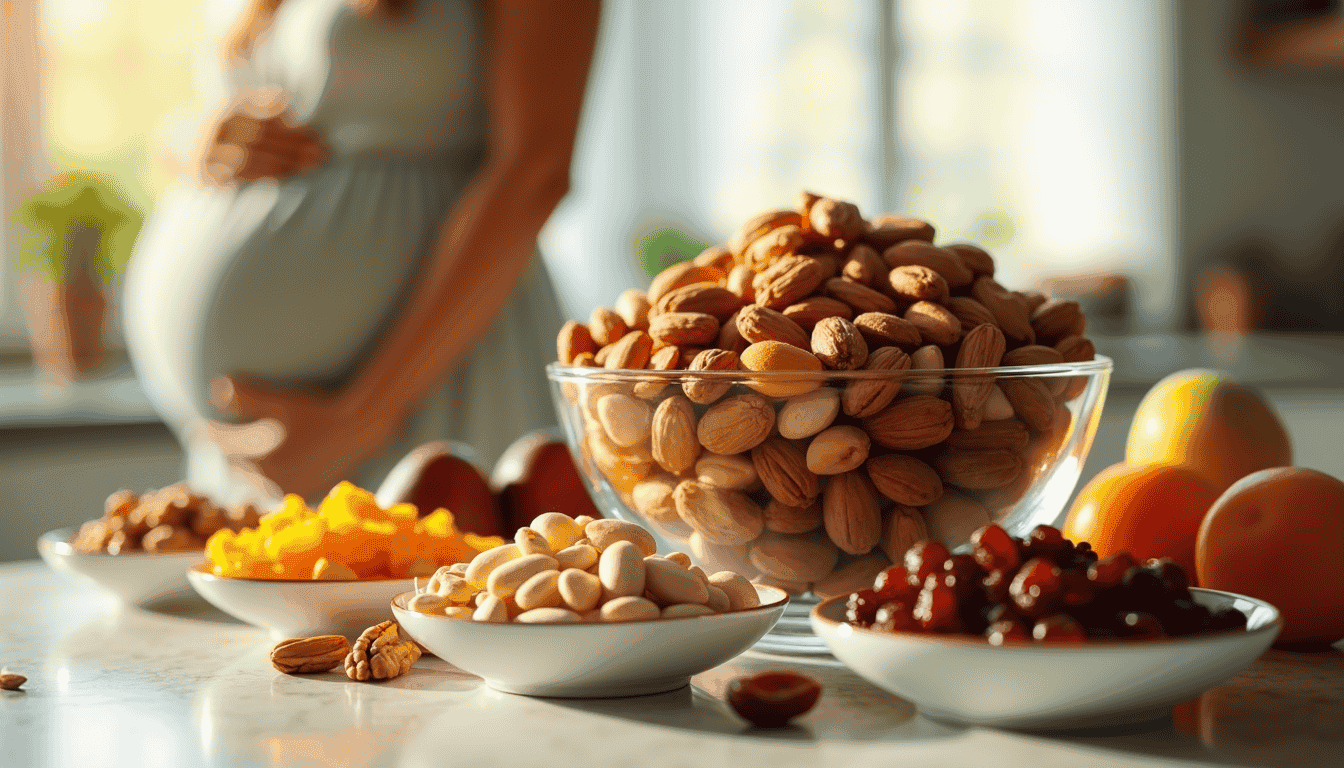
Pregnancy is a crucial time when a woman’s nutritional needs increase significantly. Dry fruits in pregnancy offer a concentrated source of essential nutrients that can support the health of both the mother and the developing baby. These nutrient-dense dry fruits are packed with vitamins, minerals, and healthy fats that are vital for fetal growth and maternal well-being.
This article explores the benefits of dry fruits in pregnancy and highlights 10 essential options for expectant mothers. It covers the best time to eat dry fruits during pregnancy and discusses their importance across all trimesters. The guide also addresses safety concerns and provides tips for consuming dry fruits safely while pregnant. By understanding the nutritional value of these powerhouse foods, mothers-to-be can make informed choices to support a healthy pregnancy and baby.
10 Dry Fruits in Pregnancy for a Healthy Baby
Dry fruits in pregnancy offer numerous benefits for both the mother and the developing baby. These nutrient-dense snacks provide essential vitamins, minerals, and healthy fats that support fetal growth and maternal well-being. Here are some of the most beneficial dry fruits for expectant mothers:
Walnuts: The Omega-3 Wonder for Baby’s Development
Walnuts are rich in omega-3 fatty acids, which are crucial for fetal brain and eye development. They also help in maintaining healthy blood pressure and cholesterol levels during pregnancy, potentially preventing preeclampsia. Consuming walnuts may also reduce the risk of the child developing allergies.
Figs: The Sweet Superfood for Digestive Health
Figs are an excellent source of fiber, calcium, iron, and potassium. They aid in digestion, help prevent constipation, and support fetal growth and development. Figs also contain folic acid, which is essential for preventing birth defects.
Raisins: The Iron-Rich Snack for Pregnancy Vitality
Raisins are packed with iron, making them ideal for preventing anemia during pregnancy. They also provide energy and help maintain healthy blood sugar levels. Consuming raisins can help meet the increased iron requirements of pregnant women.
Prunes: The Fiber-Filled Hero for Digestive Ease
Prunes are known for their high fiber content, which helps alleviate constipation, a common issue during pregnancy. They also contain potassium, which aids in regulating blood pressure and managing anxiety and depression.
Almonds: Brain & Bone Builder for Mother and Baby
Almonds are rich in vitamin E, folic acid, and calcium, supporting the baby’s brain and nervous system development while strengthening bones for both mother and child, especially in the third trimester. Soak almonds overnight and peel the skin before eating for easier digestion.
Dates: Natural Energy and Labor Preparation
Dates are high in iron, potassium, and natural sugars, helping prevent anemia and boosting energy during pregnancy fatigue. Some research suggests eating 6-7 dates daily from week 36 onward may support cervical ripening and ease labor.
Apricots: Vitamin A for Vision and Immunity
Dried apricots are rich in vitamin A, iron, and potassium, supporting the baby’s vision development and helping guard against neural tube defects. A small handful (4-5 pieces) makes a convenient daily snack.
Cashews: Bone and Immune Support
Cashews provide magnesium, zinc, and selenium, supporting bone health and immune function during pregnancy. Choose raw, unsalted cashews, which keep more of their natural cashew benefits, and limit intake to about 30g (roughly 15 cashews) per day.
Pistachios: Heart Health and Blood Sugar Balance
Pistachios offer folate and healthy monounsaturated fats, supporting heart health and helping regulate blood sugar during pregnancy. Stick to about 30g (24-28 pistachios) of the unsalted variety.
Brazil Nuts: Thyroid and Immune Support (In Moderation)
Brazil nuts are one of the richest natural sources of selenium, which supports thyroid function and immunity. Because of selenium toxicity risk, pregnant women should limit intake to just 1-2 nuts per day.
Benefits of Dry Fruits in Pregnancy
1. Rich Source of Nutrients
Dry fruits in pregnancy offer a concentrated source of essential nutrients. They provide vitamins like C, B1, B9, K, and E, as well as minerals such as calcium, magnesium, zinc, and potassium. These nutrients play a significant role in promoting strong bone and tooth growth for both the mother and the baby. They also support the development of the baby’s skeletal and nervous systems.
2. Boosts Energy Levels
The natural sugars in dry fruits are easily digested, providing a good dose of energy to the body. This helps pregnant women stay energized and active throughout the day. The high calorie content in premium dry fruits like dates can be an ideal snack for expectant mothers, helping them meet their increased energy requirements.
3. Improves Digestion
Many dry fruits, such as prunes and figs, have a high fiber content. This aids in preventing constipation, a common issue during pregnancy. The laxative properties of dry fruits help maintain healthy bowel movements and proper digestive health throughout the pregnancy trimesters.
4. Strengthens Immunity
Dry fruits contain antioxidants that help boost the immune system of both the mother and the developing baby. These antioxidants, including beta-carotene, lycopene, and lutein, protect cells from damage caused by harmful free radicals. A stronger immune system helps protect against infections and illnesses during pregnancy.
5. Promotes Healthy Weight Gain
Consuming dry fruits can help pregnant women achieve healthy weight gain. The nutrient-dense nature of dry fruits provides essential calories and nutrients without excessive weight gain. However, it’s important to eat them in moderation due to their high calorie content.
6. Reduces Risk of Anemia
Many dry fruits, such as raisins, dried apricots, and prunes, are rich in iron. This helps prevent iron deficiency anemia, a common concern during pregnancy. Iron is crucial for developing red blood cells and improving hemoglobin levels in both the mother and the baby.
Dry Fruits in the First Trimester of Pregnancy
The first trimester of pregnancy is a crucial time for fetal development, and dry fruits can play a significant role in supporting both the mother and the baby. However, it’s important to eat them in moderation and choose fresh, preservative-free options during this period.
1. Alleviates Morning Sickness
Morning sickness affects many women during early pregnancy. Ginger, often available in dried form, has been used for centuries to help ease nausea. Sipping ginger tea or nibbling on crystallized ginger can provide relief. Lemon-flavored dry fruits or candies may also help reduce queasiness.
2. Provides Essential Nutrients
Dry fruits offer concentrated sources of vital nutrients. Figs contain calcium, iron, and potassium, which support fetal bone development and the mother’s blood production. Apricots are rich in antioxidants that protect cells from damage, one of the key apricot benefits during pregnancy. As with any food in early pregnancy, eat nuts in moderation and avoid any you are allergic to.
3. Improves Digestion
Prunes and figs are high in fiber, helping to prevent constipation, a common issue during pregnancy. Relieving constipation is one of the best-known benefits of prunes. These dry fruits can aid in maintaining healthy bowel movements and proper digestive health throughout the first trimester.
4. Boosts Energy Levels
The natural sugars in dry fruits provide a quick energy boost, helping combat fatigue often experienced in early pregnancy. Dates, for instance, are an excellent source of natural energy and can serve as a healthy alternative to artificial sweets, one of the many benefits of dates (khajoor).
Dry Fruits in the Second Trimester of Pregnancy
The second trimester is a crucial period for fetal development, and dry fruits can play a significant role in supporting this growth. Here are some key benefits of consuming dry fruits during this stage:
1. Supports Baby’s Growth
Dry fruits are packed with essential nutrients that promote the baby’s growth and development. Pistachios, for example, help strengthen the baby’s skeletal and muscular development, one of the lesser-known pistachio benefits. Walnuts are rich in omega-3 fatty acids, which are vital for the baby’s brain development and cognitive function.
2. Prevents Anemia
Iron-rich dry fruits like raisins and dried apricots are excellent for preventing anemia, a common concern during pregnancy. These fruits help increase hemoglobin levels in both the mother and the baby, ensuring proper oxygen delivery to the developing fetus.
3. Promotes Bone Health
Calcium-rich dry fruits such as almonds, cashews, and pistachios contribute to the development of the baby’s teeth and bones. They also help maintain the mother’s bone health throughout pregnancy.
4. Regulates Blood Pressure
Walnuts and pistachios can help maintain healthy blood pressure levels during pregnancy, potentially reducing the risk of preeclampsia. These dry fruits are also beneficial for managing cholesterol levels.
5. Improves Digestion
Many dry fruits, particularly dates and figs, have high fiber content. This aids in preventing constipation, a common issue during pregnancy due to hormonal changes. Cashews also play a vital role in supporting healthy digestion during the second trimester.
Dry Fruits in the Third Trimester of Pregnancy
In the third trimester, dry fruits continue to play a crucial role in supporting both the mother and the baby. This period is marked by significant growth and development, making proper nutrition even more important.
1. Energy Boost for Labor
Premium dry fruits like dates can provide a natural energy boost, which is particularly beneficial as the body prepares for labor. Consuming dates in the last few weeks of pregnancy may help shorten the first stage of labor and potentially soften the cervix.
2. Supports Healthy Weight Gain
Dry fruits offer a concentrated source of nutrients and calories, helping pregnant women achieve healthy weight gain without resorting to unhealthy snacks. However, it’s important to consume them in moderation due to their high calorie content.
3. Maintains Blood Sugar Levels
Dried figs and other low glycemic index dry fruits can help regulate blood sugar levels, reducing the risk of gestational diabetes. This is particularly important in the third trimester when insulin resistance typically increases.
4. Reduces Leg Cramps
Leg cramps are common during the third trimester. Dry fruits rich in magnesium and potassium, such as dried apricots and raisins, may help alleviate these painful spasms. Staying hydrated, for example with coconut water during pregnancy, and performing gentle stretches can also provide relief.
5. Promotes Better Sleep
Walnuts, rich in omega-3 fatty acids, may help regulate melatonin production, promoting better sleep. Quality rest becomes increasingly important as the body prepares for labor and delivery.
Best Time to Eat Dry Fruits During Pregnancy
Choosing the best time to eat dry fruits during pregnancy has an impact on their nutritional benefits. It’s best to eat raw dry fruits as snacks throughout the day, providing a steady supply of nutrients. However, pregnant women should avoid eating dry fruits late at night completely.
For optimal nutrition, it’s recommended to eat almonds soaked in water, as this increases their nutritional value. Pregnant women can also sprinkle dry fruits on a fruit salad, allowing them to consume both dry and fresh fruits simultaneously, striking a balance in their diet.
The consumption of dry fruits can start from the first trimester itself, as it helps in the baby’s brain development. During the second trimester, it’s better to consume dry fruits and nuts in moderation due to their high calorie and sugar content. In the third trimester, dry fruits continue to offer various benefits.
It’s important to note that the number of nuts and dry fruits per day should not exceed 100 grams. For example, a pregnant woman can have 4-7 almonds, 4 walnuts, 2 dates, and 8 pistachios per day. This moderation helps maintain a balanced diet while reaping the benefits of dry fruits throughout pregnancy.
Nutritional Value of Dry Fruits
Dry fruits in pregnancy offer a wealth of essential nutrients that support the growth and well-being of both the mother and the developing baby. These nutrient-dense snacks are packed with vitamins, minerals, healthy fats, and fiber, making them an excellent addition to a balanced diet during pregnancy.
Almonds, for instance, are rich in vitamin E, calcium, and protein, which contribute to the baby’s bone development and cell protection. Walnuts provide omega-3 fatty acids, crucial for fetal brain development and potentially reducing the risk of premature delivery. Dried apricots are an excellent source of iron and fiber, helping to prevent anemia and maintain digestive health.
Dates are particularly beneficial, containing folate and potentially easing labor. They also provide energy, reduce constipation, and produce amino acids. Raisins, high in fiber and iron, help prevent anemia and maintain healthy blood pressure levels.
It’s important to note that while dry fruits are nutrient-dense, they are also calorie-rich, so it helps to know the calories in dry fruits. Pregnant women should aim for 1/4 to 1/2 cup (30-60 grams) of dry fruits daily as part of a balanced diet. This moderation helps reap the benefits without excessive calorie intake.
Safety Tips for Consuming Dry Fruits During Pregnancy
While dry fruits in pregnancy offer numerous benefits, it’s crucial to consume them safely. Pregnant women should opt for sundried fruits instead of those processed in plants to avoid acrylamide, a toxin that can affect the nervous system and fertility. It’s important to check if packaged dry fruits have added sugar or preservatives, as some may contain sulfur dioxide, which can cause allergic reactions or respiratory issues.
Moderation is key when eating dry fruits during pregnancy. Excessive consumption may lead to gastrointestinal problems, weight gain, or tooth decay due to their high calorie and natural sugar content. To ensure safety, learn how to select the best quality dry fruits, buy organic and preservative-free options from reputable sellers, and purchase only what can be consumed within a month.
When buying from local vendors, inspect for bugs, mold, or dirt, and taste a piece before buying in bulk. Store dry fruits in clean, dry containers in the refrigerator to prevent spoilage. It’s advisable not to soak dry fruits for more than an hour, and if doing so, keep them in the refrigerator.
Pregnant women should aim for a balanced diet, including a variety of fresh fruits and vegetables alongside dry fruits. If there are specific dietary concerns or medical conditions, it’s best to consult a healthcare provider for personalized advice on consuming dry fruits during pregnancy.
Comparison Table
| Dry Fruit | Key Nutrients | Primary Benefits | Recommended Daily Intake | Special Considerations/Usage Tips |
|---|---|---|---|---|
| Almonds (Badam) | Iron, folate, magnesium, calcium, vitamin E | Brain development, blood sugar regulation, cell protection | 6-8 almonds (up to 20 per day) | Soak overnight and peel skin before consuming |
| Walnuts (Akhrot) | Omega-3 fatty acids, DHA, copper | Fetal brain development, eye health, nervous system development | 28.35g (handful) or 3-4 kernels | Best consumed raw for maximum benefits |
| Figs (Anjeer) | Fiber, iron, vitamin C | Digestive health, anemia prevention | 2-3 dried figs | Soak overnight for better nutrient absorption |
| Dates (Khajoor) | Natural sugars, folic acid, vitamin K, iron | Labor preparation, energy boost, cervical ripening | 6-7 dates daily (third trimester) | Most beneficial when consumed from week 36 |
| Apricots (Khubani) | Iron, vitamin A, folate | Neural tube defect prevention, vision development | 4-5 dried apricots | Pair with vitamin C foods for better iron absorption |
| Raisins (Kishmish) | Iron, B vitamins, fiber | Hemoglobin formation, digestive health | 15-20 raisins (30g) | Best consumed soaked in water with warm milk |
| Cashews (Kaju) | Magnesium, calcium, zinc, selenium | Bone health, immune support | 30g (about 15 cashews) | Choose raw unsalted varieties |
| Pistachios (Pista) | Folate, monounsaturated fats | Heart health, blood sugar regulation | 30g (24-28 pistachios) | Select unsalted varieties |
| Prunes | Fiber, sorbitol | Natural laxative effect, constipation relief | 3-4 prunes daily | Monitor digestive response |
| Brazil Nuts | Selenium | Thyroid function, immune support | 1-2 nuts daily | Do not exceed recommended intake due to selenium toxicity risk |
The Dry Fruits Mart Promise: Quality, Packing & Customer Support
When selecting dry fruits for pregnancy, quality becomes as important as the nutrients themselves. At Dry Fruits Mart, expectant mothers find more than just products; they discover peace of mind through carefully sourced nourishment.
Premium Quality Selection
Quality control stands at the forefront of our operations. Each dry fruit undergoes strict inspection before reaching your home. Our products remain 100% natural and preservative-free, ensuring you receive only pure nutrition during this critical time. We source from trusted exporters and importers, and every item is checked by hand before packing, so quality is never compromised.
Hygienic Packaging & Storage
Our meticulous packaging process maintains the purity of every product. Each item comes sealed in airtight containers that preserve freshness and extend shelf life. This attention to detail guarantees that nutritional integrity remains intact from sourcing to delivery.
Wide Variety of Nutrient-Rich Options
Expectant mothers access an extensive selection meeting all nutritional needs throughout pregnancy. From brain-boosting walnuts to iron-rich apricots, our diverse range supports complete maternal nutrition in one convenient location.
Convenient Online Shopping & Nationwide Delivery
Browse our selection from home comfort and receive delivery anywhere in Pakistan. Most areas receive packages within 2–4 days, including major cities like Rawalpindi, Islamabad, Lahore, and Faisalabad.
Conclusion
Dry fruits offer a wealth of benefits for expectant mothers and their developing babies. From providing essential nutrients to supporting healthy weight gain and easing digestive issues, these nutrient-dense snacks play a crucial role throughout pregnancy. By incorporating a variety of dry fruits into their diet, pregnant women can boost their energy levels, strengthen their immune system, and promote optimal fetal development.
As with any dietary choices during pregnancy, moderation and safety are key when consuming dry fruits. Opting for organic, preservative-free options and following proper storage guidelines ensures the best nutritional value while minimizing potential risks. By making informed choices about dry fruit consumption, expectant mothers can support a healthy pregnancy and give their babies the best start in life. If you want to read more about dry fruits or buy premium quality dry fruits, visit Dry Fruits Mart today.
FAQs About Dry Fruits in Pregnancy
Are dry fruits safe to eat during pregnancy?
Which dry fruits are best for pregnancy?
How much dry fruit should I eat during pregnancy?
Can I eat dates in the third trimester?
Are there any dry fruits to avoid during pregnancy?
Which nuts should I avoid during pregnancy?
Is kaju (cashew) good for pregnancy?
When is the best time to eat nuts during pregnancy?
About the Author: Sharjeel Yaseen