
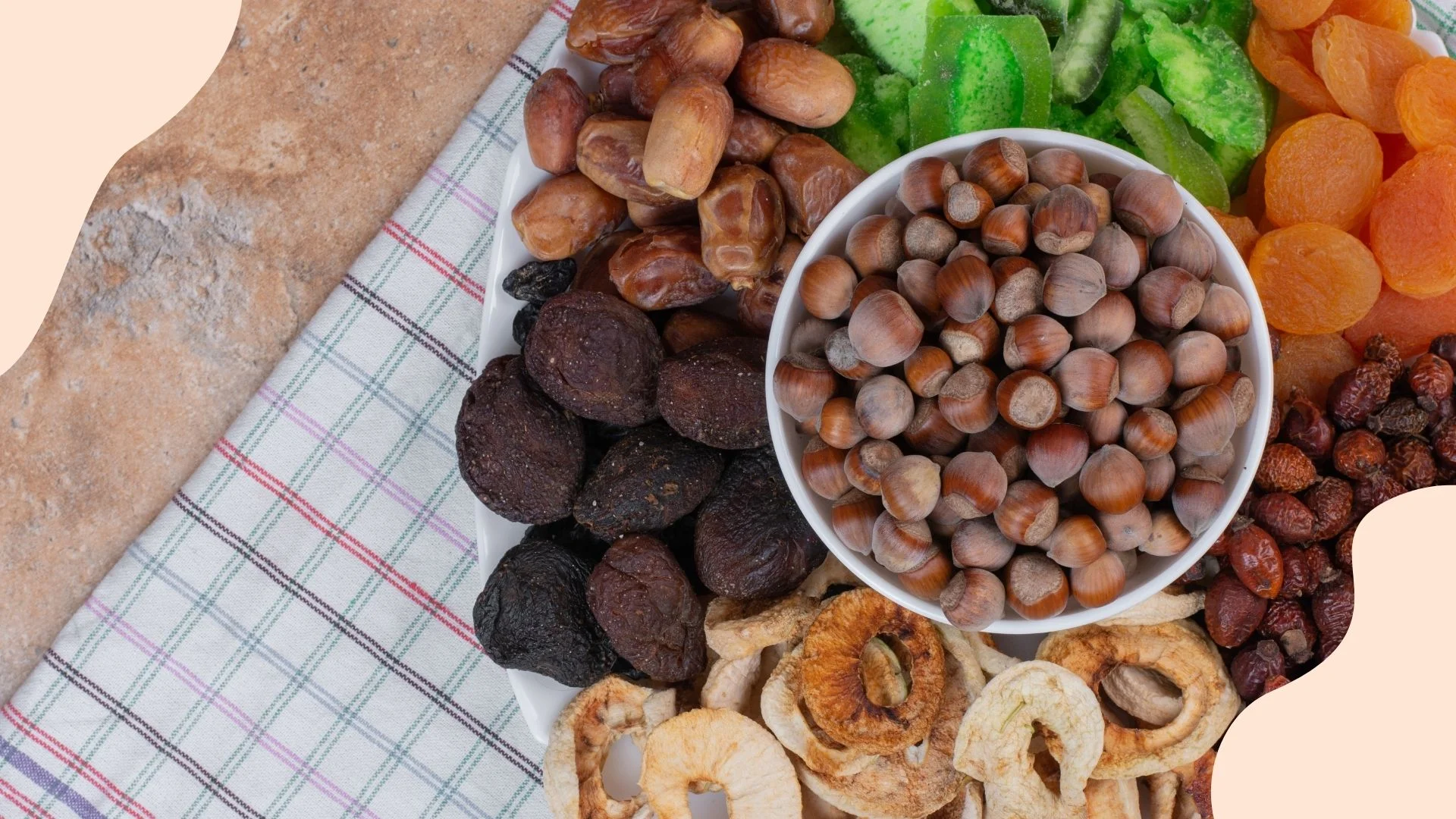
The many types of nuts available offer an A-Z variety of options. You’ll find that each provides unique flavors and nutritional benefits. The Australian Dietary Guidelines recommend consuming 30 grams of nuts on most days of the week as part of a healthy diet for adults. Protein, healthy fats, fiber, vitamins and minerals pack these nutrient-dense foods. You can make informed choices for your diet once you know the different types of nuts and their specific health advantages. The best ways to enjoy them matter too. This piece will walk you through 17 nuts variety and cover their nutritional profiles and culinary uses.
List of 17 Types of Nuts
Common varieties found in grocery stores and more exotic options show the remarkable diversity nuts offer. Each type brings distinct characteristics, from flavor profiles to nutritional composition. Below, we’ve compiled all types of nuts covered in this piece and given you a complete overview of what to expect.
The different types of nuts featured here include:
- Almonds – A popular choice known for their versatility
- Walnuts – Recognized by their brain-like appearance
- Cashews – Creamy texture makes them a culinary favorite
- Pistachios – Green kernels with a naturally sweet taste
- Pecans – Rich, buttery flavor beloved in baking
- Macadamia Nuts – Premium nuts with a smooth, delicate taste
- Brazil Nuts – Large nuts packed with selenium
- Hazelnuts – Round nuts with a distinct earthy flavor
- Peanuts – Technically legumes but commonly grouped with nuts
- Pine Nuts – Small, elongated seeds from pine cones
- Chestnuts – Starchy nuts often roasted during holidays
- Hickory Nuts – Wild nuts native to North America
- Acorns – Oak tree nuts requiring special preparation
- Pili Nuts – Tropical nuts gaining popularity for their fat content
- Tiger Nuts – Small tubers with a sweet, nutty flavor
- Coconuts – Versatile tropical fruits with multiple uses
- Marcona Almonds – Spanish variety prized for their sweetness
This nuts variety represents both familiar and lesser-known options. Some appear in recipes and snack mixes regularly, while others remain specialty items. We’ll get into each one throughout this piece and cover their unique nutritional attributes and practical applications in your kitchen. Whether you’re seeking specific health benefits or want to expand your culinary repertoire, these nuts names will serve as your reference point for making informed selections.
Almonds
Among the different types of nuts, almonds stand out as one of the most consumed varieties worldwide. California produces about 80% of the global almond supply. Almonds are seeds from a drupe fruit rather than true nuts, but they’re classified within the nuts variety for culinary purposes.
Nutritional profile
One ounce of almonds (about 23 nuts or 1/4 cup) delivers substantial nutrition. This serving contains 164 calories, 6 grams of protein and 14 grams of fat, with 80% being monounsaturated, 15% polyunsaturated and 5% saturated. You’ll also get 6 grams of carbohydrates and 4 grams of dietary fiber.
Almonds rank as the tree nut highest in vitamin E and riboflavin. A single ounce provides 7.26 milligrams of vitamin E and represents 48% of the daily value. They also contain 76.5 milligrams of magnesium (18% DV) and 0.618 milligrams of manganese (27% DV). Phosphorus, potassium and calcium are other nutrients present.
Health benefits
Research over the last several years concludes that almond consumption supports heart health, weight management and gut microbiome health. Almonds help lower LDL cholesterol while raising HDL cholesterol levels. The magnesium content assists in blood pressure regulation and protects against heart disease.
Studies show that eating almonds 1-2 times weekly reduces heart rhythm abnormalities by 12%. Eating them 3 or more times weekly reduces these abnormalities by 18%. About 60 grams reduces inflammation markers in the body. The fiber content helps stabilize blood sugar levels and makes almonds beneficial for people with diabetes.
How to eat almonds
Raw almonds provide maximum antioxidant benefits. Dry roasting improves flavor while maintaining most nutrients. Soak 3-4 almonds overnight and eat them in the morning to get an instant energy boost. Add chopped almonds to cereals and salads, or use almond butter on whole grain toast. Almond flour serves as a gluten-free alternative in baking, while almond milk offers a dairy substitute for those with lactose intolerance.
Walnuts
Walnuts belong to the tree nut family and are distinguished by their brain-like appearance, which seems fitting given their cognitive benefits. The English walnut (Juglans regia) originated in the Mediterranean region and Central Asia and became a dietary staple for thousands of years.
Nutritional profile
One ounce of walnuts (approximately 12 to 14 halves or 28-30 grams) contains 185 calories. Unlike most nuts that contain monounsaturated fats, walnuts consist of 13 grams of polyunsaturated fat out of 18 grams total fat per ounce. This serving provides 4 grams of protein and 2 grams of fiber.
Walnuts rank as the only nut substantially high in alpha-linolenic acid (ALA) and deliver 2.5 grams per ounce. This plant-based omega-3 fatty acid represents the highest ALA content among all tree nuts. Walnuts also supply 11-14% of daily magnesium needs and 10% of phosphorus requirements. They contain antioxidants including melatonin, folate, gamma-tocopherol (vitamin E) and selenium. Among 1,113 different foods tested, walnuts ranked second place for antioxidant content.
Health benefits
Each gram of ALA consumed daily reduces heart disease death risk by 10%. Research indicates that eating walnuts improves LDL cholesterol levels and decreases apolipoprotein B by nearly 6%, a major heart disease risk factor. Studies show that consuming five servings of tree nuts weekly lowers heart disease risk, especially for people with Type 2 diabetes.
Walnuts support brain health through their antioxidant and anti-inflammatory compounds. Clinical trials demonstrate better cognitive function and memory improvement with regular walnut consumption. Gut health benefits emerge after eating 1.5 ounces daily for eight weeks, with participants showing increased beneficial gut bacteria.
Best ways to use walnuts
Choose raw, unsalted walnuts for maximum health benefits. Sprinkle them on salads, oatmeal or yogurt. Create walnut pesto for pasta dishes, or add chopped walnuts to baked goods and stir-fries. The recommended daily serving is 1 to 1.5 ounces.
Cashews
Cashews grow differently from other nut varieties. They form as kidney-shaped seeds on the outside of the cashew apple fruit. Each fruit produces just one nut, and cashew trees thrive in tropical climates. You won’t typically spot cashew fruit trees in the United States, but these seeds have become a staple snack and cooking ingredient.
Nutritional profile
One ounce (28 grams) of cashews, roughly 18 nuts, contains 163 calories. This serving delivers 13.2 grams of fat, mostly unsaturated, with 4.34 grams of protein and 9.27 grams of carbohydrates. Cashews provide minimal fiber at 0.85 grams per ounce.
The mineral content in cashews stands out. You’ll get 0.6 milligrams of copper (31% daily value), 73.7 milligrams of magnesium (17.5% DV), and 139 milligrams of phosphorus (11% DV). Additional nutrients include 1.59 milligrams of zinc (14% DV), 1.7 milligrams of iron (9% DV), and 0.2 milligrams of manganese (8.6% DV).
Health benefits
Cashews support heart health through multiple pathways. People who added cashews to their diet for 28 days experienced reductions in both total and LDL cholesterol. Cashew consumption may lower blood pressure and triglyceride levels.
If you manage Type 2 diabetes, getting 10% of daily calories from cashews for eight weeks resulted in healthier insulin levels compared to non-cashew eaters. The anti-inflammatory properties may benefit joint health, and nut consumption has been linked to reduced arthritis symptoms.
Cashews may support weight management despite their calorie density. The body doesn’t absorb all calories from cashews, with unused energy and undigested fat appearing in waste.
Cooking with cashews
Eat cashews raw as snacks or sprinkle them on salads and stir-fries. Soaked and blended cashews create dairy-free alternatives for heavy cream in pasta sauces, soups, and desserts. Cashew butter works well in gravies or Asian-inspired dressings. Grocery stores stock cashew-based yogurt, cheese, and ice cream options.
Pistachios
Pistachios are edible seeds of the Pistacia vera tree, instantly recognizable by their natural green and yellow hues. Pistachios offer the most nuts per serving compared to all other nut types, with 49 kernels in a single ounce.
Nutritional profile
One ounce (28 grams) of pistachios contains 159 calories, 6 grams of protein, 13 grams of fat, 8 grams of carbohydrates, and 3 grams of fiber. Protein has about 14% of their calorie content. This makes pistachios second only to almonds when it comes to protein density. They provide all nine essential amino acids and qualify as a complete protein source.
The vitamin and mineral content is remarkable. You’ll get 28% of the daily value for vitamin B6, 21% for thiamine, and 41% for copper in each serving. Pistachios contain as much potassium as half a large banana, plus much phosphorus and manganese.
Health benefits
Pistachios stand out when it comes to eye health due to their high levels of lutein and zeaxanthin. These antioxidants protect against blue light damage and age-related macular degeneration. Other nuts don’t contain these compounds.
Pistachios reduce total and LDL cholesterol while increasing HDL cholesterol, which benefits heart health. Studies show they lower systolic blood pressure by 1.82 mmHg. The L-arginine content converts to nitric oxide and promotes healthy blood vessel function.
Blood sugar regulation benefits emerge from their low glycemic index. Research confirms pistachios reduce fasting blood sugar substantially and improve insulin resistance in people with type 2 diabetes and prediabetes.
Weight management becomes easier with pistachios despite their calorie density. In-shell pistachios encourage mindful eating. Studies show people consumed 41% fewer calories compared to shelled varieties.
How to enjoy pistachios
Snack on in-shell pistachios to control portions, or sprinkle them on salads and fish dishes. Blend them into pesto, stir into yogurt parfaits, or use in baking recipes like cheesecakes and biscotti.
Pecans
Pecans are tree nuts native to America and carry a rich, buttery flavor that makes them a favorite in both sweet and savory dishes. Pecans rank highest in phenolic content and antioxidant capacity among different types of nuts. Market surveys found they have the highest total phenolics among 10 nut types and the highest total flavonoids.
Nutritional profile
One ounce (approximately 19 halves) of pecans has 196 calories with 20.4 grams of total fat. Most of this fat is beneficial: 11.6 grams are monounsaturated and 6.1 grams polyunsaturated. You’ll get 2.6 grams of protein, 3.9 grams of carbohydrates, and 2.7 grams of fiber per serving.
Pecans have zero cholesterol and zero sodium. The mineral profile has:
- Calcium to support blood vessel function
- Magnesium (34.3 mg per ounce) to relax blood vessels
- Potassium (116 mg) that counteracts sodium effects
- Zinc (1.28 mg) and manganese to support overall body function
Pecans are rich in vitamin E and provide about 25 grams per 100 grams. They also have B-complex vitamins that include thiamin, niacin, and vitamin B-6.
Health benefits
The FDA issued a qualified health claim stating that consuming 1.5 ounces of pecans daily may reduce heart disease risk. Research shows that eating about 68 grams of pecans daily for four weeks lowers fasting LDL cholesterol levels and reduces postprandial triglycerides.
Pecans help regulate blood pressure through their mineral content. They have a very low glycemic index and prevent blood sugar spikes even in people with diabetes. Pecans support weight management despite being calorie-dense. Studies show neutral body weight changes after pecan intake.
Macadamia Nuts
Macadamia nuts originated in Australia but have become a premium option among different types of nuts worldwide. They contain the highest level of monounsaturated fats of any known food source and distinguish themselves within the nuts variety available.
Nutritional profile
One ounce of macadamia nuts, approximately 10 to 12 nuts, provides 204 calories. This serving contains 21.5 grams of fat, with about 80% being monounsaturated fat. You’ll get 2.24 grams of protein, 3.91 grams of carbohydrates, and 2.44 grams of fiber.
The mineral content is remarkable. Each ounce delivers 1.17 milligrams of manganese (51% daily value), 0.34 milligrams of thiamine, and 36.9 milligrams of magnesium. Macadamia nuts also provide copper, iron, and vitamin B6.
Health benefits
Research shows macadamia nuts reduce total cholesterol and LDL cholesterol levels without increasing saturated fat intake. The monounsaturated fats support heart health by lowering bad cholesterol. Antioxidants including flavonoids and vitamin E help neutralize free radicals and reduce inflammation.
Studies indicate macadamia nuts don’t lead to weight gain despite their calorie density. The soluble fiber acts as a prebiotic and feeds beneficial gut bacteria. The manganese activates bone growth enzymes while magnesium helps bone-building enzymes function when it comes to bone health.
Ways to eat macadamia nuts
Raw macadamia nuts offer the healthiest option, though roasted versions provide improved flavor and increased antioxidant extractability. Macadamia oil has a high smoke point of approximately 410 degrees Fahrenheit. You can use it to cook. Blend soaked nuts into dairy-free cheese, milk, or butter alternatives. Sprinkle them on salads, add to baked goods, or grind them into creamy dressings.
Brazil Nuts
Brazil nuts are edible seeds native to the Amazon rainforest regions of Brazil, Bolivia, and Peru. They stand out among all nut types because they contain the highest selenium concentration found in foods consumed by humans.
Nutritional profile
One ounce (about six nuts) delivers 187 calories with 19 grams of fat, 4.1 grams of protein, 3.3 grams of carbohydrates, and 2.1 grams of fiber. The mineral profile is exceptional. It provides 55% daily value for copper, 25% for magnesium, and 15% for manganese and thiamine, plus 11% for vitamin E.
Selenium content sets Brazil nuts apart from other nut varieties. A single nut contains 96 micrograms of selenium and represents 175% of the reference daily intake. Most other healthy nuts provide less than 1 microgram on average.
Health benefits
Selenium supports thyroid hormone production and converts T4 to its active T3 form. One Brazil nut daily could deliver enough selenium to support thyroid function. Research shows Brazil nut consumption improves total and LDL cholesterol levels while raising HDL cholesterol. Just 20 grams produces more pronounced cholesterol improvements than 50 grams.
The antioxidants, including selenium, vitamin E, and phenols like gallic and ellagic acid, curb oxidative stress. Ellagic acid offers neuroprotective and antidepressant effects on brain health.
Recommended serving size
Limit intake to one to three nuts daily. Consuming around 50 Brazil nuts could result in selenium toxicity. The upper selenium limit for adults is 400 micrograms daily.
Hazelnuts
Hazelnuts, also known as filberts, come from the Corylus tree. Turkey, Italy, Spain and the United States grow most of them. Among different types of nuts, hazelnuts have the highest concentration of proanthocyanidins, a category of antioxidant compounds.
Nutritional profile
One ounce of hazelnuts, about 20 whole kernels, contains 176 calories with 17 grams of total fat. This serving delivers 4.2 grams of protein and 4.7 grams of carbohydrates. It provides 2.7 grams of fiber, which accounts for about 11% of the daily value. The vitamin and mineral content is exceptional. You get 87% of the RDI for manganese, 24% for copper, 21% for vitamin E, and 12% for both thiamin and magnesium. Hazelnuts also contain vitamin B6, folate, phosphorus, potassium and zinc. Most antioxidants concentrate in the nut’s skin, though this content decreases after roasting.
Health benefits
Eating hazelnuts for four weeks substantially reduces inflammation markers in people with high cholesterol, including high-sensitivity C-reactive protein. Studies show that consuming 18-20% of daily calories from hazelnuts lowers cholesterol and triglycerides. Bad LDL levels drop while artery health improves. Research with 60 grams daily for 12 weeks helped reduce inflammatory markers in overweight individuals. Hazelnuts may also improve insulin sensitivity and reduce fasting insulin levels.
Culinary uses
Hazelnuts can be eaten raw, roasted, whole, sliced or ground. Baking the kernels for about 10 minutes makes skins easy to peel. Ground hazelnuts create flour for baking or nutritious hazelnut butter spreads. They pair well with chocolate, figs, plums and bananas. Caramel also works wonderfully with them in cookies, breads, muffins, pastas and salads.
Peanuts
Peanuts belong to the legume family rather than tree nuts. This makes them botanical relatives of beans and lentils. Peanuts share nutritional similarities with all types of nuts despite this classification and people eat them around the world because they are affordable and available.
Nutritional profile
One hundred grams of raw peanuts contains 567 calories with 25.8 grams of protein. This protein content is richer than any nut. The fat content reaches approximately 50% and consists of 24.43 grams monounsaturated and 15.56 grams polyunsaturated fats with zero trans fats. Fiber content is 8.5 grams per 100 grams.
Peanuts provide high B vitamin levels. They deliver 75% RDA of niacin, 60% RDA of folate, and 53% RDA of thiamin. Other nutrients include biotin and copper, along with manganese, vitamin E (55.5% RDA), magnesium and phosphorus. The glycemic index stands at just 14 on a 100-point scale.
Health benefits
Studies link frequent peanut consumption to reduced risk of heart disease and colorectal cancer. The desirable lipid profile is higher in unsaturated than saturated fatty acids and supports cardiovascular health. Peanuts contain resveratrol and coenzyme Q10 that protect the heart during oxygen deprivation [252].
Research shows peanuts help with weight management. They promote fullness despite their calorie density. They may reduce gallstone risk in both genders.
Common uses in cooking
Peanuts appear in peanut butter, roasted snacks, confections and soups. They work well in salads and stir-fries, along with baking and sauces. Peanut sauce serves as a versatile condiment for dressings and dips, including meat rubs.
Pine Nuts
Pine nuts are edible seeds extracted from the cones of various pine tree species. They grow in Asia, Europe, and North America. These small, teardrop-shaped kernels differ from other nut varieties due to their unique harvesting process, which can take up to 25 years before pine trees start producing edible seeds.
Nutritional profile
A 30-gram serving (about 2 tablespoons) contains 878 kJ of energy with 21 grams of total fat. Pine nuts’ fat composition sets them apart: polyunsaturated fats make up 57% of total fatty acids, coupled with 33% monounsaturated fats. Pine nuts rank second highest among all types of nuts for iron at 4.1mg per 100g and zinc at 5.3mg per 100g. Manganese content is high, providing 2.07mg per 30g serving. This serving also delivers 69mg of magnesium, 0.36mg of copper, and 3.87mg of vitamin E.
Health benefits
Pine nut oil may increase appetite-regulating hormones and reduce hunger sensation for up to four hours after meals. Research shows better cognitive function and attention capacity in children whose mothers consumed nuts including pine nuts during the first trimester.
Best dishes for pine nuts
Pesto features pine nuts as a core ingredient. They pair well with pasta and rice dishes. You can toast them in a dry skillet over medium heat until golden to improve their nutty aroma, then sprinkle over salads or roasted vegetables.
Chestnuts
Chestnuts stand apart from most nuts with their unique nutritional composition. They contain low fat and high carbohydrates, which makes them closer to whole grains in their nutritional makeup. This unique profile makes chestnuts an exceptional energy source among nuts.
Nutritional profile
A 10-kernel (84-gram) serving of roasted chestnuts contains 206 calories with 44.5 grams of carbohydrates and just 1.9 grams of fat. You’ll get 2.7 grams of protein and 4.3 grams of fiber (15% daily value). Chestnuts are the only nuts that contain vitamin C. One serving provides 24% of the daily value. This serving delivers 47% DV for copper, 43% for manganese, 25% for vitamin B6, and 17% for thiamine. Other nutrients include folate, riboflavin, and potassium at 11% DV. Raw chestnuts have a moisture content ranging from 40 to 64 grams per 100 grams fresh weight. They’re cholesterol-free and gluten-free.
Health benefits
Chestnuts contain antioxidants including vitamin C, gallic acid and ellagic acid. These compounds help neutralize free radicals and reduce oxidative stress. Research shows chestnut antioxidants may lower heart disease risk, reduce insulin resistance, and suppress tumor growth. The fiber content supports digestive health by acting as a prebiotic for beneficial gut bacteria. With a low glycemic index of 54, chestnuts help manage blood sugar levels without causing spikes.
Hickory Nuts
Hickory nuts are wild tree nuts native to North America and parts of Asia. They offer a rich nutritional profile that rivals cultivated varieties. These oval-shaped nuts grow within hard, woody shells and deliver a buttery flavor as with pecans and walnuts.
Nutritional profile
A 100-gram serving provides 657 calories with 64.37 grams of healthy fats, 18.25 grams of carbohydrates, and 12.72 grams of protein. The mineral content stands out among different types of nuts. You get 436 milligrams of potassium, 336 milligrams of phosphorus, 173 milligrams of magnesium, and 61 milligrams of calcium. Hickory nuts contain omega-3 and omega-6 fatty acids. They also provide substantial amounts of vitamin B1 (thiamine), which is essential for energy production and nervous system health.
Health benefits
Research shows hickory nuts offer antioxidant and anti-inflammatory properties that support overall wellness. They may improve blood sugar control and reduce cholesterol levels while boosting cognitive function. The combination of healthy fats helps protect against heart disease. Their magnesium content helps muscle and nerve function while supporting brain health.
Where to find hickory nuts
Hickory nuts aren’t stocked in grocery stores. You can purchase them through online specialty marketplaces or find them at local farmers’ markets. Foraging represents an alternative, as hickory trees grow throughout North America with nuts harvested during fall. Native species include shagbark and mockernut hickory.
Acorns
Acorns stand apart from other types of nuts due to their high tannin content, which requires proper processing before consumption. Oak trees produce these nuts that have served as a dietary staple in Mediterranean, Asian and North American cultures for thousands of years.
Nutritional profile
A one-ounce serving of raw acorns provides 144 calories with 2 grams of protein, 9 grams of fat, and 15 grams of carbohydrates. The mineral content has 17% of the daily value for manganese, 12% for vitamin B6, 8% for folate, and 4% for potassium. Acorns contain roughly half the fat of almonds and peanuts, which is surprising. Scientists have identified beneficial plant compounds like catechins and resveratrol, which act as antioxidants.
How acorns are processed
Raw acorns contain high tannin levels that make them bitter and unsafe. The hot leaching method involves boiling acorns for 5 minutes until water turns dark brown, then repeating with fresh water until it stays clear. Cold leaching takes 1-2 weeks with daily water changes.
Culinary applications
Once processed, acorns can be roasted for snacking or ground into flour for baking. Substitute 25% to 50% of wheat flour with acorn flour in recipes. Other uses are acorn coffee, bread and cookies.
Pili Nuts
Pili nuts come from the Canarium ovatum tree, native to Northern Australia, the Pacific Islands, and Southeast Asia. The Philippines grows them on a large scale. These teardrop-shaped nuts have become popular among different types of nuts for their high fat content and complete amino acid profile.
Nutritional profile
A 30-gram serving of roasted unsalted pili nuts contains 210 calories with 24 grams of total fat. This makes them the highest-fat option among all types of nuts. Fat provides over 90% of calories, with 40% being saturated fat. Pili nuts contain only 1 gram of carbohydrates per serving, unlike other nut varieties. They rank as the lowest-carb tree nut available.
Protein content reaches 3 grams per serving. Pili nuts qualify as a complete protein source by providing all essential amino acids. The vitamin and mineral profile delivers 60-70% of daily value for vitamin E. Magnesium content stands at 85 milligrams (19% DV) per serving, one of the highest amounts among common tree nuts. Copper, thiamin, manganese and phosphorous are also present.
Health benefits
The high monounsaturated fat and vitamin E content supports heart health by lowering cardiovascular disease risk. Low carbohydrate levels make pili nuts suitable for managing diabetes and blood sugar regulation. The magnesium content may help lower fasting blood glucose. Bone health benefits from minerals like manganese and phosphorous that pili nuts provide.
Tiger Nuts
The misleading name aside, tiger nuts aren’t nuts at all. These small tubers come from yellow nutsedge (Cyperus esculentus lativum), a grass-like plant found in Africa and Spain. Ancient Egyptians valued them so much that tiger nuts appeared in tombs for the afterlife. The striped exterior resembles tiger markings, which is how they earned their name among different types of nuts, though they share more with potatoes than almonds.
What are tiger nuts
Tiger nuts are edible tubers that grow underground and provide nutrients to the nutsedge plant. You can consume them raw, dried, roasted, or processed into flour and milk. They serve as the primary ingredient in Spanish horchata de chufa, a traditional sweetened beverage.
Nutritional profile
A 1/4-cup serving of raw tiger nuts contains 120 calories with 19 grams of carbohydrates, 7 grams of fat (mostly monounsaturated), and 10 grams of fiber. Protein content reaches 1-2 grams per serving. Tiger nuts provide calcium, copper, iron, magnesium, phosphorous, potassium, zinc, and vitamins C and E.
Health benefits
The high fiber content promotes digestive health. It prevents constipation and feeds beneficial gut bacteria. Monounsaturated fats support heart health and maintain healthy cholesterol levels. Research suggests tiger nuts may improve blood sugar control through their fiber and arginine content.
Coconuts
Coconuts serve multiple culinary purposes within the broader spectrum of all types of nuts, though botanically they’re drupes rather than true nuts. The white flesh inside provides both nutrition and versatility in cooking applications.
Nutritional profile
One cup (80 grams) of fresh, shredded coconut meat contains 283 calories with 27 grams of fat, 10 grams of carbohydrates, and 7 grams of fiber. Protein reaches 3 grams per serving. Around 89% of the fat is saturated, mainly as medium-chain triglycerides (MCTs). The mineral profile delivers 60% of the daily value for manganese, 44% for copper, 15% for selenium, 13% for phosphorus, and 11% for iron.
Health benefits
Coconut oil may boost HDL (good) cholesterol and reduce LDL (bad) cholesterol. The MCTs promote feelings of fullness and support calorie burning while helping fat loss. Fiber content supports bowel regularity and digestive system health. Coconuts help your body absorb fat-soluble vitamins including A, D, and E. MCTs strengthen gut bacteria and protect against inflammation.
Different forms of coconut
Virgin coconut oil has a medium smoke point around 280°F with rich flavor. Refined coconut oil offers a higher smoke point at 400°F with neutral taste. Other forms include coconut milk and coconut water from young green coconuts. You’ll also find desiccated coconut flakes and coconut flour made from dried meat. Coconut sugar comes from flower bud sap rather than the flesh.
Marcona Almonds
Marcona almonds represent a gourmet Spanish variety grown mainly around Malaga. They stand apart from standard California almonds found in supermarkets. Their rounded, plumper shape and exceptional sweetness have earned them the title “queen of almonds”.
What makes them different
The texture resembles macadamia nuts more than typical almonds. You get a softer, moister bite with buttery flavor. Marcona almonds taste much sweeter and nowhere near as bitter as regular varieties. They have a delicate aroma reminiscent of almond essence used in baking. Traditionally they’re blanched (skin removed) and fried in olive oil with light salt. The fat content is higher at 56 grams per 100 grams compared to 50 grams in California almonds. They cost 2-3 times more due to limited production.
Nutritional profile
One ounce (about 23 almonds) contains 180 calories with 17 grams of fat and 6 grams of protein. This serving delivers 70% of daily vitamin E needs and 15% of phosphorus requirements. You also get 220 milligrams of potassium and plenty of magnesium.
How to eat Marcona almonds
Serve them with Spanish Manchego cheese and olives as tapas. Sauté in olive oil with rosemary for appetizers. Sprinkle over salads with watercress and mozzarella, or add to baked goods and crepes. They pair really well with dark chocolate and Spanish hot chocolate.
Conclusion
We’ve explored these 17 nuts variety. You can see each one brings unique nutritional benefits to your diet. Heart-healthy walnuts and selenium-rich Brazil nuts support overall wellness in different ways. The Australian Dietary Guidelines recommend 30 grams on most days, and with good reason too.
You might prefer snacking on pistachios or adding almonds to your morning oatmeal. There’s a nut for every taste preference and dietary need. Start small by incorporating one or two varieties this week and expand your repertoire over time. Your body will thank you for making these wholesome additions to your meals.
FAQs
Q1. Which nuts are considered the healthiest to include in your diet?
Almonds, walnuts, pistachios, and cashews are among the top choices for daily consumption. Almonds are highest in vitamin E and support heart health, while walnuts provide the most omega-3 fatty acids for brain function. Pistachios offer complete protein with all essential amino acids, and cashews deliver high amounts of copper and magnesium. The Australian Dietary Guidelines recommend eating 30 grams of nuts most days of the week for optimal health benefits.
Q2. Why should Brazil nuts be consumed in limited quantities?
Brazil nuts contain extremely high levels of selenium, with a single nut providing 175% of the daily recommended intake. Consuming too many can lead to selenium toxicity (selenosis), which may cause symptoms like bad breath, nausea, diarrhea, skin rashes, nerve pain, and fatigue. It’s recommended to limit intake to just one to three Brazil nuts per day, as eating approximately 50 nuts could result in dangerous selenium levels.
Q3. What makes Marcona almonds different from regular almonds?
Marcona almonds are a premium Spanish variety with a rounder, plumper shape and softer texture similar to macadamia nuts. They taste significantly sweeter and less bitter than California almonds, with a buttery flavor and delicate aroma. These almonds have higher fat content at 56 grams per 100 grams compared to 50 grams in regular almonds, and they’re traditionally blanched and fried in olive oil with light salt.
Q4. Are peanuts actually nuts or something else?
Peanuts are technically legumes, not tree nuts, making them botanical relatives of beans and lentils rather than almonds or walnuts. Despite this classification, they share similar nutritional profiles with true nuts and are commonly grouped with them. Peanuts are exceptionally high in protein, containing 25.8 grams per 100 grams, which is more than any tree nut variety.
Q5. How do chestnuts differ nutritionally from other nuts?
Chestnuts have a unique nutritional composition that sets them apart from most nuts. They’re low in fat (only 1.9 grams per serving) and high in carbohydrates (44.5 grams), making them nutritionally closer to whole grains. Chestnuts are also the only nuts that contain vitamin C, providing 24% of the daily value per serving, and they’re naturally gluten-free and cholesterol-free.
About the Author: Sharjeel Yaseen