
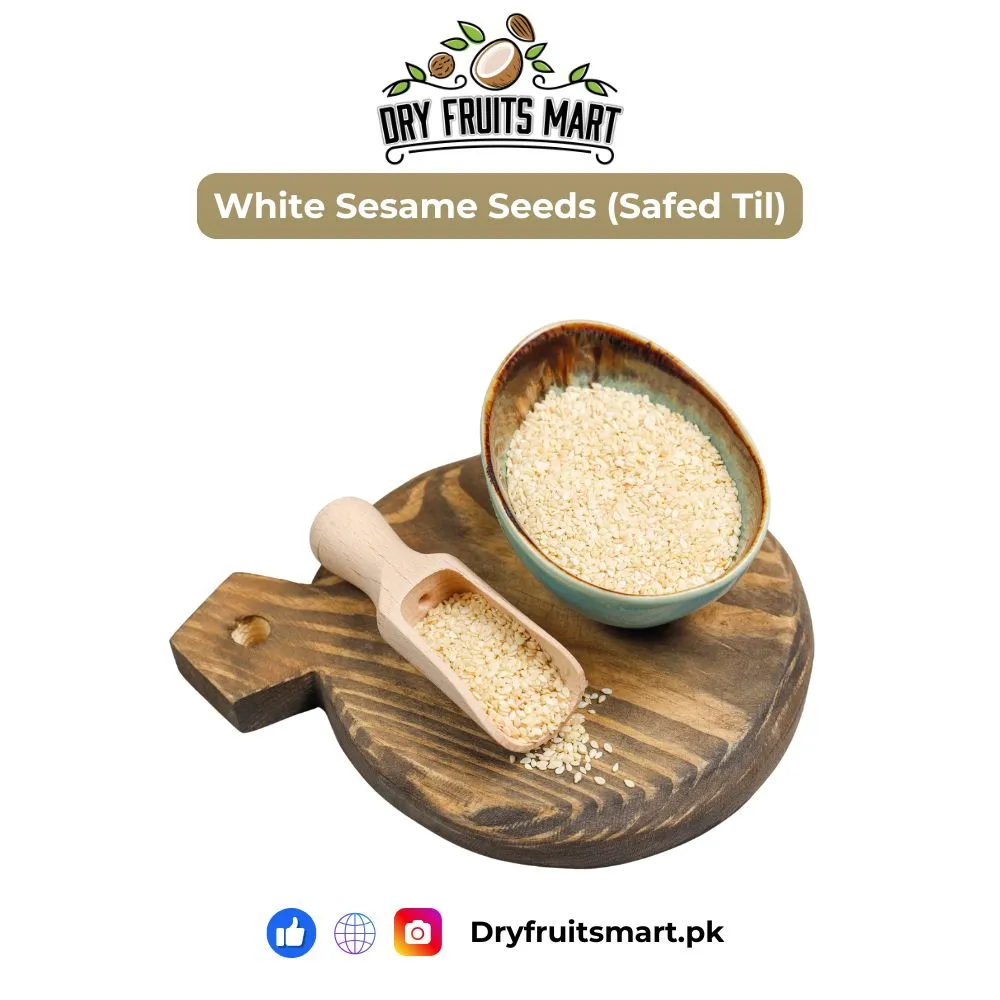
Premium White Sesame Seeds: The Pearl of Pakistani Kitchens
White Sesame Seeds (Safed Til) – 100% Pure & Organic
Premium organic white sesame seeds (Safed Til) packed with essential nutrients, proteins, and healthy fats to support your heart health and boost immunity naturally. Experience the rich, nutty flavor that enhances everything from traditional Pakistani dishes to modern recipes, while enjoying the numerous health benefits of this ancient superfood. Our carefully selected, fresh sesame seeds are versatile for cooking, baking, and garnishing – perfect for health-conscious families looking to add nutritional value to their daily meals.
- Sesame Seeds Price in Pakistan: The Price of sesame seeds is Rs: 249 For 250g, Rs: 499 For 500g and 1kg sesame seeds at Rs: 999 only at Dry Fruits Mart.
Price range: ₨249 through ₨999
Chat with Us

10,000+ Customers

Inspected By Founder

Calibrated Weight

Secure Payments
Premium Sesame Seeds (Safed Til) in Pakistan
Our premium white sesame seeds (safed til) are carefully selected and freshly sourced from the finest farms, ensuring exceptional quality and purity that sets Dry Fruits Mart apart in the Pakistani market. These nutrient-packed tiny powerhouses are rich in essential minerals including calcium, magnesium, iron, and zinc, nutrients that are part of a balanced diet for your overall wellbeing.
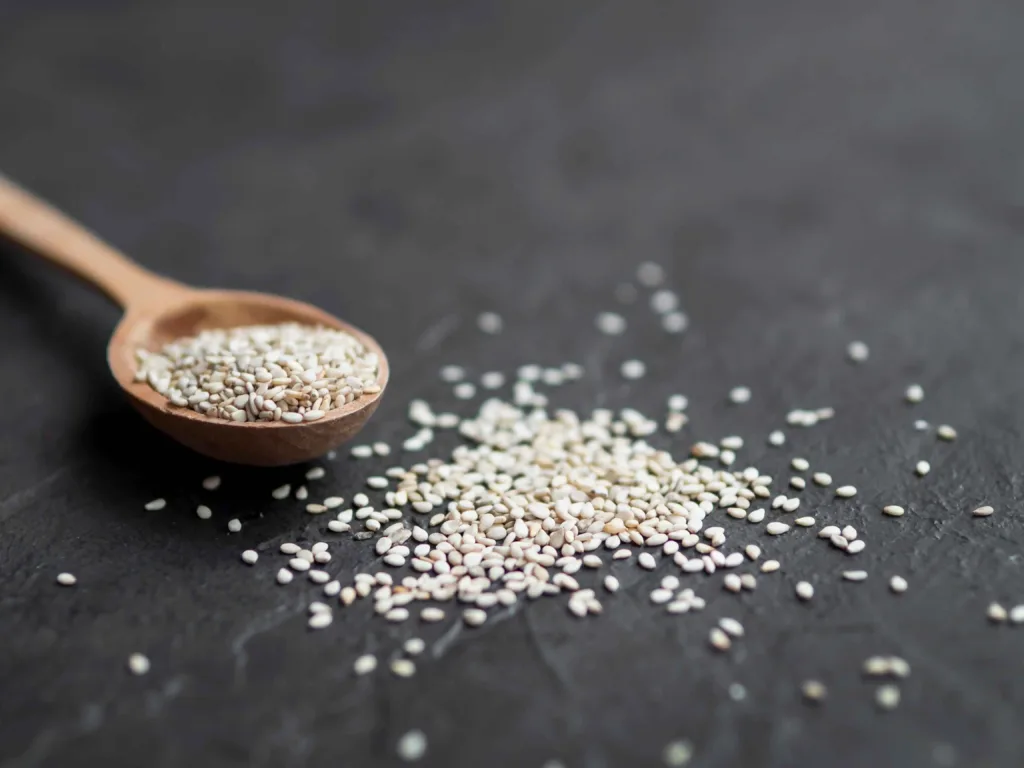
A closer look at premium white sesame seeds with black background.
Versatile in culinary applications, our sesame seeds add a delightful nutty flavor and satisfying crunch to traditional Pakistani dishes, baked goods, salads, and can be enjoyed toasted, ground into tahini, or sprinkled as a nutritious topping. Each batch undergoes rigorous quality testing to ensure freshness and maximum nutritional value, making our organic sesame seeds the perfect addition to your daily diet – experience the authentic taste and health benefits that have made safed til a treasured ingredient in Pakistani kitchens for generations.
Sesame Seeds Price in Pakistan
Sesame seeds (safed til) prices in Pakistan vary based on quality, quantity, and seasonal factors. As of 2025, Dry Fruits Mart offers premium quality sesame seeds at competitive rates that reflect current market conditions while ensuring superior quality and freshness. Here are the sesame seeds price in Pakistan:
- 250g Sesame Seeds: Rs. 249
- 500g Sesame Seeds: Rs. 499
- 1kg Sesame Seeds: Rs. 999
Sesame Seeds in Urdu
In Urdu, sesame seeds are commonly known as “Safed Til” (سفید تل), where “safed” means white and “til” refers to the seed itself, reflecting their appearance and cultural significance in South Asian cuisine. These tiny seeds hold deep cultural importance in Pakistani households, featuring prominently in traditional recipes like tilkut (sesame brittle), revri (winter sweet), and as a garnish for naan bread, while also being valued in folk medicine for their warming properties during winter months.
A Nutritional Profile of Organic White Sesame Seeds (Safed Til)
Organic white sesame seeds (safed til) are nutritional powerhouses packed with essential nutrients that support overall health. These tiny white seeds contain an impressive array of vitamins, minerals, healthy fats, and protein that make them a valuable addition to your daily diet.
| Nutrient | Amount per 100g | Amount per Tablespoon (15g) |
|---|---|---|
| Macronutrients | ||
| Calories | 573 kcal | 86 kcal |
| Protein | 17.7g | 2.7g |
| Total Fat | 49.7g | 7.5g |
| – Saturated Fat | 7.0g | 1.1g |
| – Monounsaturated Fat | 18.8g | 2.8g |
| – Polyunsaturated Fat | 21.8g | 3.3g |
| Carbohydrates | 23.4g | 3.5g |
| Dietary Fiber | 11.8g | 1.8g |
| Sugars | 0.3g | 0.05g |
| Vitamins | ||
| Vitamin B1 (Thiamine) | 0.79mg (66% DV) | 0.12mg (10% DV) |
| Vitamin B2 (Riboflavin) | 0.25mg (19% DV) | 0.04mg (3% DV) |
| Vitamin B3 (Niacin) | 4.5mg (28% DV) | 0.68mg (4% DV) |
| Vitamin B6 | 0.79mg (46% DV) | 0.12mg (7% DV) |
| Folate (B9) | 97μg (24% DV) | 15μg (4% DV) |
| Vitamin E | 0.25mg (2% DV) | 0.04mg (<1% DV) |
| Minerals | ||
| Calcium | 975mg (98% DV) | 146mg (15% DV) |
| Iron | 14.6mg (81% DV) | 2.2mg (12% DV) |
| Magnesium | 351mg (84% DV) | 53mg (13% DV) |
| Phosphorus | 629mg (90% DV) | 94mg (14% DV) |
| Potassium | 468mg (10% DV) | 70mg (1.5% DV) |
| Zinc | 7.8mg (71% DV) | 1.2mg (11% DV) |
| Copper | 4.1mg (456% DV) | 0.62mg (68% DV) |
| Manganese | 2.5mg (109% DV) | 0.38mg (16% DV) |
| Selenium | 34.4μg (63% DV) | 5.2μg (9% DV) |
| Other | ||
| Water | 4.7g | 0.7g |
| Ash | 4.5g | 0.68g |
DV = Daily Value based on a 2,000 calorie diet for adults
Values may vary slightly based on growing conditions and exact variety
Health Benefits of Sesame Seeds (Safed Til)
Sesame seeds (safed til) are tiny nutritional powerhouses packed with essential vitamins, minerals, and unique plant compounds that offer remarkable health advantages.
Contains Natural Plant Compounds
White sesame seeds contain natural compounds called lignans (sesamin and sesamolin), plant compounds that are part of their natural composition and can be part of a heart-conscious, balanced diet.
Rich in Antioxidants
The unique antioxidants in sesame seeds are nutrients commonly associated with everyday wellness by neutralizing free radicals, as part of a balanced diet.
Contains Calcium
Safed til is exceptionally rich in calcium, providing about 351mg per 100g serving – more than many dairy products by weight. Combined with magnesium, zinc, and phosphorus also present in these seeds, sesame is a source of minerals that are part of everyday nutrition.
Low Glycemic Index
White sesame seeds have a low glycemic index, making them a mindful snack choice as part of a balanced diet.
Good Source of Fiber
The fiber content in sesame seeds is a nutrient commonly included in a balanced diet. Additionally, the natural oils in safed til are part of its overall nutrient profile.
Skin Health Enhancement
The vitamin E, zinc, and essential fatty acids in sesame seeds nourish skin cells from within, promoting a healthy, glowing complexion. These nutrients help maintain skin elasticity, fight premature aging, and protect against environmental damage, and the seed’s natural properties are commonly associated with skin care.
Contains Zinc, Selenium and Copper
White sesame seeds contain zinc, selenium, and copper – minerals that are part of everyday nutrition. The antioxidants in safed til are nutrients commonly associated with everyday wellness as part of a balanced diet.
How to Add Natural Sesame Seeds (Safed Til) into Your Daily Routine
Sesame seeds (safed til) are tiny nutritional powerhouses that can easily enhance your daily diet with essential minerals, healthy fats, and protein. These versatile seeds have been used in Pakistani cuisine for centuries, not only for their distinct nutty flavor but also for their impressive health benefits. Here are simple yet effective ways to incorporate these nutritious seeds into your everyday routine:
1. Breakfast Boost with Sesame Seeds
Sprinkle a teaspoon of white sesame seeds over your morning paratha or roti for added texture and nutrition. The seeds toast slightly from the heat of the bread, releasing their nutty aroma and making your breakfast more satisfying while providing a good dose of calcium to start your day.
Mix a tablespoon of ground sesame seeds into your morning oatmeal or porridge along with honey for a protein-rich breakfast. This simple addition not only enhances the flavor profile but also increases the nutritional value of your meal with essential minerals like zinc and magnesium.
2. Enhance Your Salads and Vegetables
Toast a tablespoon of white sesame seeds in a dry pan until golden and sprinkle them over salads for a delightful crunch and nutty flavor. The seeds add texture contrast to soft vegetables while boosting your salad’s protein and calcium content without overpowering other ingredients.
Add sesame seeds to your raita or yogurt-based side dishes to complement spicy main courses in traditional Pakistani meals. The cooling effect of yogurt paired with the nutty flavor of sesame seeds creates a perfect balance while adding nutritional benefits to your lunch or dinner.
3. Create Nutritious Homemade Snacks
Make traditional Pakistani til ki chikki (sesame brittle) with jaggery for a healthy sweet treat that satisfies cravings while providing energy. This homemade snack is not only delicious but also offers the benefits of iron and calcium from sesame seeds, making it superior to processed store-bought options.
Prepare a quick trail mix by combining roasted sesame seeds with almonds, dried fruits, and a touch of cinnamon for a convenient on-the-go snack. This mixture provides sustained energy throughout the day and makes a perfect mid-afternoon pick-me-up that’s both nutritious and satisfying.
4. Enhance Your Cooking and Baking
Add a tablespoon of sesame seeds to your dough when making homemade naan or roti to create a more nutritious version of these Pakistani staples. The seeds get partially embedded in the dough, adding a pleasant texture and subtle flavor while increasing the calcium content of your bread.
Create a flavorful crust for fish or chicken by coating them with a mixture of ground sesame seeds, breadcrumbs, and Pakistani spices before baking. This technique not only adds a delicious nutty flavor but also creates a crispy exterior while keeping the meat moist and tender.
5. Prepare Sesame Seed Beverages
Make a traditional Pakistani thandai by blending soaked sesame seeds with milk, nuts, and spices for a nutritious and refreshing drink. This beverage is particularly popular during festivals but can be enjoyed year-round as a calcium-rich alternative to plain milk or commercial drinks.
Prepare a soothing bedtime drink by adding a teaspoon of ground sesame seeds to warm milk with a touch of honey and cardamom. This nighttime beverage is a traditional Pakistani household practice, and the magnesium content in sesame seeds is part of a balanced diet.
6. Use in Traditional Pakistani Desserts
Incorporate sesame seeds into traditional Pakistani sweets like revri or gajak, especially during winter months when these treats are most popular. These sesame-based confections not only satisfy sweet cravings but also provide warmth and energy during colder weather through their healthy fat content.
Add a tablespoon of toasted sesame seeds to kheer or rice pudding just before serving for an interesting texture contrast and nutty flavor. This simple addition transforms a basic dessert into something more complex and nutritionally valuable without requiring additional cooking skills.
7. Create Homemade Sesame Condiments
Make your own tahini (sesame paste) by grinding toasted sesame seeds with a little olive oil for a versatile condiment that can be used in numerous dishes. This homemade paste is fresher than store-bought versions and can be used as a dip, spread, or ingredient in sauces and dressings.
Prepare a flavorful sesame chutney by blending toasted sesame seeds with green chilies, garlic, and lemon juice for a perfect accompaniment to samosas and pakoras. This tangy condiment adds depth to snacks and appetizers while providing nutritional benefits not found in typical store-bought sauces.
Final Words
At Dry Fruits Mart, we take pride in offering you the finest quality white sesame seeds (safed til) that combine exceptional nutritional value with authentic flavor. These tiny powerhouses of nutrition have been a treasured ingredient in Pakistani kitchens for generations, adding both taste and wellness to countless traditional recipes.
Don’t settle for ordinary when you can experience the Dry Fruits Mart PK difference. Order your pack of premium white sesame seeds today and discover why thousands of Pakistani families trust us for their healthy pantry essentials. Your journey to better health and delicious meals is just a click away!
Frequently Asked Questions (FAQs) About Sesame Seeds (Safed Til)
1. What are sesame seeds (safed til)?
Answer: Sesame seeds, known as safed til in Urdu, are small, nutrient-dense seeds from the Sesamum indicum plant. They are widely used in Pakistani cuisine and offer rich flavor along with essential nutrients like calcium, magnesium, and healthy fats.
2. What is the difference between white and black sesame seeds?
Answer: White sesame seeds are sweeter and more commonly used in cooking and baking. Black sesame seeds have a bolder flavor and higher antioxidant content. White sesame is preferred for daily culinary use in Pakistan.
3. Are sesame seeds good for health?
Answer: Yes, sesame seeds are loaded with nutrients, including fiber, healthy fats, antioxidants, and minerals like calcium and zinc, which can be part of a balanced diet.
4. What are the health benefits of eating sesame seeds daily?
Answer: Eating sesame seeds daily provides fiber, calcium, and antioxidants, nutrients that are part of a balanced diet. Just 1–2 tablespoons per day is a common serving size.
5. What is the price of sesame seeds in Pakistan?
6. Can sesame seeds help with weight loss?
Answer: Yes, sesame seeds can support weight loss. Their high fiber and healthy fats help promote satiety, reduce overeating, and provide lasting energy throughout the day.
7. How can I use sesame seeds in food?
Answer: Sesame seeds can be sprinkled over salads, used in naan and bakery items, or ground into tahini. In Pakistani cuisine, they’re added to rewri, til ki chikki, and halwa.
8. How do I store sesame seeds?
Answer: Store sesame seeds in an airtight container in a cool, dry place away from sunlight. For long-term use, refrigerate or freeze them to maintain freshness and prevent rancidity.
9. Are sesame seeds good for skin and hair?
Answer: Yes, sesame seeds are rich in vitamin E and zinc, which promote skin elasticity and hair growth. They’re commonly used in herbal hair oils and skincare remedies in Pakistan.
10. Do sesame seeds have a low glycemic index?
Answer: Yes, sesame seeds have a low glycemic index and are rich in healthy fats and fiber, making them a mindful choice in moderation as part of a balanced diet. If you are monitoring your sugar intake for any reason, it’s best to consult a healthcare provider before regular use.
11. How can I tell if sesame seeds are fresh?
Answer: Fresh sesame seeds have a uniform white color, mild aroma, and dry texture. Avoid yellow or clumped seeds, which may indicate moisture or spoilage. Always store in sealed packaging.
12. How much sesame should I eat per day?
Answer: 1–2 tablespoons of sesame seeds daily is recommended for health benefits. You can consume them raw, roasted, or mixed into meals, depending on your dietary preferences.
13. Are organic sesame seeds better?
Answer: Organic sesame seeds are grown without synthetic chemicals and pesticides, offering a cleaner and more nutrient-dense option. They’re ideal for health-conscious individuals and everyday use.
14. What is sesame seed called in Urdu?
Answer: Sesame seeds are called تل (Til) in Urdu. The white variety is called سفید تل (Safed Til), widely used in sweets and baking across Pakistan.
15. What dishes in Pakistan use sesame seeds?
Answer: Popular Pakistani dishes using sesame seeds include til ki chikki, rewri, kulcha, halwa, raita, and til ka laddu. They are especially popular during the winter season.
Additional Information
| Weight | 250g, 500g, 1kg |
|---|
Product Reviews
Recommended Quality Items
Price range: ₨750 through ₨3,000
Price range: ₨500 through ₨1,950
Price range: ₨250 through ₨999
Price range: ₨300 through ₨600
Price range: ₨650 through ₨2,600
Price range: ₨200 through ₨800



Reviews
There are no reviews yet.