
The pistachio benefits you’ll find from eating just one ounce are remarkable. This serving of about 49 kernels contains only 159 calories. Pistachios are nutrient-dense nuts packed with 3 grams of fiber, healthy fats and antioxidants that support heart health and gut function. Research shows regular pistachio consumption may reduce body mass index and lower blood pressure. It may even improve erectile function. I’ll walk you through the pistachio health benefits, pistachio nuts benefits for specific populations and advantages of pistachio consumption in this piece. You should also know about pistachio benefits and side effects.
What Are Pistachios?
Pistachios are edible seeds from the Pistacia vera tree, native to Central Asia, especially Iran and Afghanistan. Archeological evidence shows people consumed pistachios as far back as 6750 BC in Uzbekistan. The earliest pistachio remains date from the sixth millennium BC and were found in both Afghanistan and southeastern Iran, where the nut was first cultivated near its wild growing regions.
Origins and Cultivation
Pistachios held a most important status in the ancient Persian Empire, where trade and ownership of pistachio groves signified wealth. Legend claims the Queen of Sheba monopolized her land’s whole pistachio production for herself and her court. Alexander the Great’s conquests introduced pistachios to Greece around 334-323 BC, and Roman Emperor Tiberius brought them to Italy and Spain later. Pistachios spread throughout Mediterranean regions in southern Europe and North Africa from Italy.
American botanist William E. Whitehouse traveled to Persia and collected about 20 pounds of pistachio nuts in 1929. Only one variety proved successful after years of experimentation, which he named ‘Kerman’ after the famous carpet-making city near Rafsanjan. Production reached over 1.5 billion pounds in 2025 from its first commercial crop of 1.5 million pounds in 1976. World production was 1.4 million tons in 2024, with the United States, Turkey, and Iran accounting for 87% of the total. California produces 99% of U.S. pistachios.
Nutritional Profile Overview
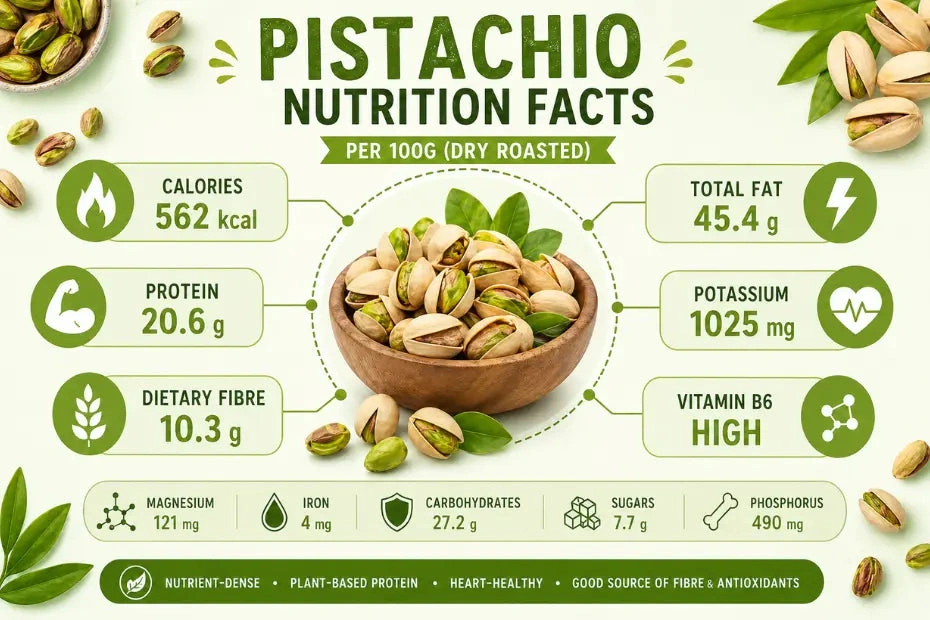
Pistachios contain lower fat content compared to other nuts, with 43.4 grams per 100 grams, composed of monounsaturated fatty acids. They provide about 21% protein by total weight, with an essential amino acid ratio higher than almonds, walnuts, and pecans. The fiber content is about 10% insoluble and 0.3% soluble forms. More, pistachios contain significant amounts of potassium, phosphorus, magnesium, vitamins A, E, C, B vitamins (except B12), vitamin K, and folate. They’re the richest nut source of lutein, zeaxanthin, and phytosterols.
Pistachio Nutrition Facts
A standard one-ounce serving of pistachios provides 159 calories and consists of about 49 kernels. This serving size delivers complete pistachio health benefits through its unique macronutrient composition, vitamins, minerals and antioxidants that work together and support multiple body systems.
Macronutrients Breakdown
One ounce of pistachios contains 13 grams of fat. This makes them one of the lowest-fat nuts you can find. The fat consists mostly of heart-healthy monounsaturated fatty acids (24.5 grams per 100 grams) and polyunsaturated fatty acids (13.3 grams per 100 grams), with only 5.6 grams of saturated fatty acids. Oleic and linoleic acids represent more than half of the total fat content.
The protein content stands at about 6 grams per serving, comprising about 21% of total weight. Pistachios contain all the amino acids your body needs, with a higher ratio than almonds, walnuts, pecans and hazelnuts. They have a protein digestibility corrected amino acid score of 81 for roasted pistachios and 73 for raw.
Carbohydrates total 7.8 grams per ounce, with 2.8 grams of fiber. Pistachios contain 10% insoluble fiber and 0.3% soluble fiber by weight.
Vitamins and Minerals
Pistachios provide 28% of the Daily Value for vitamin B6 per serving. Other B vitamins include thiamine at 21% DV. One serving delivers 290 milligrams of potassium, matching half a large banana. Copper content reaches 41% DV. Phosphorus provides 11% DV and manganese 15% DV.
Antioxidant Content
Pistachios contain substantial antioxidants, second only to walnuts and pecans among nuts. They’re rich in lutein and zeaxanthin, carotenoids that give pistachios their distinctive green color. The purple skin surrounding the nut contains anthocyanins. Pistachios also provide gamma-tocopherol (a vitamin E form) and various polyphenols, including flavonoids and proanthocyanidins. Total phenolic content ranges from 1,359 to 4,507 milligrams per kilogram depending on cultivar.
1. Supports Heart Health
Among all the advantages of pistachio consumption, cardiovascular protection stands out as one of the most researched and confirmed. The combination of healthy fats, amino acids, and bioactive compounds in these nuts creates multiple pathways for heart protection.
Lowers LDL Cholesterol
Regular pistachio consumption produces measurable improvements in blood lipid profiles. A detailed analysis showed that 67% of studies on pistachios and blood lipids found reductions in total and LDL cholesterol, with increases in HDL cholesterol. The effects are dose-dependent. Consuming 1.5 ounces each day reduced LDL by 9%, while 3 ounces achieved a 12% reduction. The higher dose decreased total cholesterol by 8.4% and non-HDL cholesterol by 11.2%.
Research with participants who had elevated LDL showed notable improvements after three months. HDL increased from 35.7 to 37.8 mg/dL, while LDL dropped from 137.2 to 127.6 mg/dL. The monounsaturated and polyunsaturated fats in pistachios create these changes by reducing oxidized LDL particles and improving cholesterol ratios.
Reduces Blood Pressure
Studies demonstrate that pistachios lower both systolic and diastolic blood pressure. A review of 21 studies found systolic pressure decreased by 1.82 mmHg and diastolic by 0.8 mmHg. Participants eating one serving each day experienced a 4.8 mmHg reduction in systolic blood pressure during acute stress tests, with a 3 bpm decrease in heart rate. The higher dose produced reductions in peripheral vascular resistance of 62.1 dyne·s×cm−5.
Improves Blood Vessel Function
Pistachios contain L-arginine, an amino acid your body converts into nitric oxide. This signals blood vessels to relax and dilate. The process improves endothelial function, the critical vessel linings’ ability to regulate blood flow. A study with participants consuming 1.5 ounces each day for three months showed improvements in vascular stiffness markers and endothelial function. These vascular improvements support heart health and blood flow throughout your whole body.
2. Helps with Weight Management
Epidemiological studies link regular nut consumption with lower body mass index and reduced likelihood of weight gain in adulthood. Pistachios are energy-dense, yet research demonstrates they don’t contribute to weight gain if included in balanced diets. One 12-week study with overweight individuals showed the pistachio group experienced a 4.3% BMI reduction compared to just 2% in the control group.
High Protein and Fiber Content
Pistachios pack 20% protein by weight, a higher calorie-to-protein ratio than most nuts. This protein content combines with 3 grams of fiber per serving (representing 11-12% of the daily value) and creates substantial satiety that helps you feel full longer. Participants eating pistachios increased their fiber intake and decreased consumption of sweets by half compared to control groups. The fiber and protein work together to suppress hunger and inhibit overeating.
In-Shell Pistachios for Portion Control
The physical act of shelling pistachios slows your eating process and potentially leads to greater satisfaction after meals. Students given in-shell pistachios consumed 125 calories on average. Those eating shelled pistachios ate 211 calories, representing 41% more. Visual cues matter as well. Keeping empty shells visible resulted in 48 fewer calories consumed without compromising fullness.
Incomplete Fat Absorption
Research reveals that pistachios may contain fewer usable calories than calculated previously. The fat in pistachios isn’t metabolized completely, so your body absorbs fewer calories than estimated. Studies show that 5% of energy from pistachios goes unabsorbed during digestion. This incomplete absorption occurs because intact cell walls hinder digestive enzymes from accessing lipids trapped within nut cells.
3. Controls Blood Sugar Levels
Pistachios rank among the lowest glycemic foods available, with a glycemic index of just 15 and a glycemic load of 4.2. This low classification means they produce minimal blood sugar elevation when consumed and make them especially valuable when you have glucose management concerns.
Low Glycemic Index
The fiber content, healthy fats, and protein in pistachios slow carbohydrate digestion and glucose absorption. Pistachios boost glucagon-like peptide-1 levels, a hormone that regulates glucose in people with diabetes. The unsaturated fatty acid profile contributes to improved insulin sensitivity through multiple metabolic pathways.
Benefits for Diabetes Management
Clinical trials demonstrate substantial improvements in diabetes markers. Participants consuming pistachios for three months experienced HbA1c reductions of 0.4% and fasting blood glucose decreases of 16 mg/dL compared to control groups. Another study showed fasting glucose dropped from 151.36 to 137.28 mg/dL, a 14 mg/dL improvement.
Pistachios produced maybe even more encouraging results if you have prediabetes. Fasting glucose, insulin, and insulin resistance markers decreased by a lot after pistachio consumption. These effects help reverse metabolic consequences of prediabetes and may prevent progression to Type 2 diabetes.
Reduces Post-Meal Blood Sugar Spikes
Pistachios reduce postprandial glycemic response by 20-30% in a dose-dependent manner when added to high-carbohydrate meals like pasta, rice, or mashed potatoes. The higher the pistachio portion, the greater the blood sugar reduction. Studies comparing pistachios to white bread showed lower glucose and insulin levels at every measurement point up to 120 minutes after consumption. These insulin-sparing properties benefit people with metabolic syndrome and diabetes.
4. Promotes Eye Health
Vision protection represents one of the most distinctive pistachio health benefits. This comes from compounds that few other foods provide in meaningful amounts. Research demonstrates that consuming pistachios daily creates measurable improvements in eye tissue and defends against age-related vision loss.
Lutein and Zeaxanthin Content
Pistachios are the only nut that contains measurable amounts of lutein, a xanthophyll carotenoid that accumulates in the macular region of your retina. Raw pistachios deliver approximately 1,405 μg of lutein plus zeaxanthin per 100 grams. That’s thirteen times more than hazelnuts, the next highest nut source. These plant pigments are major components of macular pigment in your retina, where they function as antioxidants and blue light filters.
The bioavailability of lutein from pistachios proves high. Studies show almost 100% bioaccessibility after duodenal digestion. Pistachios provide monounsaturated and polyunsaturated fats that improve lutein absorption, since this nutrient is fat-soluble. A two-ounce daily serving delivers approximately 1.6 mg of lutein, enough to double the average daily consumption in adults.
Protection Against Macular Degeneration
Macular pigment optical density (MPOD) measures the concentration of protective pigments in your retina and serves as a key indicator of eye health. A controlled trial found that participants consuming two ounces of pistachios daily experienced notable MPOD increases after just six weeks. The effects sustained through 12 weeks. Participants on their usual diet showed no MPOD changes during the same period.
Higher MPOD protects your eyes from light damage and associates with reduced risk of age-related macular degeneration, the leading cause of blindness in older adults. Lutein filters harmful blue light wavelengths from computer screens and sunlight. It also reduces oxidative damage to retinal tissue through antioxidant properties. Pistachio consumption offers a practical dietary strategy to preserve vision, especially if you have low lutein intake.
5. Boosts Gut Health
Your gut microbiome houses trillions of bacteria that influence digestion, immunity and overall health. Research demonstrates that pistachios modify this microbial community in beneficial ways and enrich helpful bacteria while reducing harmful strains.
Prebiotic Fiber Benefits
Pistachios contain fiber and incompletely digested compounds that reach your colon and serve as fuel for beneficial gut bacteria. A pistachio diet substantially increased abundance of healthy bacteria genera such as Parabacteroides, Dorea, Allobaculum and Lactobacillus, while reducing bacteria associated with inflammation, including Oscillospira and Desulfovibrio.
Studies with prediabetic adults eating about half a cup of pistachios each night for 12 weeks showed increased beneficial bacteria like Roseburia and Lachnospiraceae. Reductions in less favorable bacteria such as Flavonifractor were also observed. Lactobacillus abundance caused by pistachio intake represents a positive effect because this probiotic reduces colitis in inflammatory bowel disease models and protects intestinal barrier function. The prebiotic effects stem from components such as fatty acids and flavonoids.
Increases Butyrate Production
Participants consuming up to 3 ounces of pistachios a day for 19 days showed increases in potentially beneficial gut bacteria that produce butyrate. Butyrate serves as a preferred energy source for epithelial cells in your colon. It plays a vital role in maintaining colon health. So eating pistachios increased the number of butyrate-producing bacteria in the gut to a greater extent than eating almonds. Allobaculum and Dorea, major butyrate producers, increased with pistachio consumption.
Supports Digestive Function
The intestinal conductance was lower in pistachio-fed mice than high-fat diet mice. This suggests improvement in gut barrier function. Pistachio supplementation substantially increased populations of lactobacilli and bifidobacteria in the jejunum and ileum, while decreasing Enterococci and normalizing microbiota. Their fiber content promotes regular bowel movements.
6. Enhances Brain Function
Research from Loma Linda University reveals that pistachios produce the strongest gamma wave response among all nuts tested, a finding that positions them uniquely for cognitive boost. Gamma waves are critical for cognitive processing, information retention, learning, perception, and rapid eye movement during sleep. Studies show pistachio supplementation improves executive functions, selective and sustained attention, while modulating mood state in a positive way.
Vitamin B6 for Neurotransmitters
Pistachios deliver abundant vitamin B6, which plays a central role in keeping the nervous system healthy. This vitamin participates in producing neurotransmitters such as serotonin and dopamine, which regulate mood and cognitive processes. An adequate intake of vitamin B6 helps prevent nervous system disorders and improves brain function. Pistachios provide 28% of the Daily Value for B6 per serving. Regular consumption supplies substantial amounts of this neurologically active nutrient.
Healthy Fats for Cognitive Health
Brain tissue ranks among the most vulnerable to oxidative stress because of its high polyunsaturated fatty acid levels that are susceptible to lipid peroxidation. Pistachios address this vulnerability through their antioxidant content and favorable fat profile. Pistachios contain 13.3 grams of polyunsaturated fatty acids and 24.5 grams of monounsaturated fatty acids per 100 grams. They possess a healthier nutritional profile compared to other nuts.
Research demonstrates that regular pistachio intake prevents and ameliorates obesity-related neurodegeneration. It reduces both metabolic and cellular dysfunctions. The antioxidant content activates compensatory mechanisms that reduce diet-induced systemic and central dysmetabolism and redox stress. Pistachios protect against various types of nervous system damage, including neurodegenerative disorders, through their beneficial actions on lipid metabolism and redox state. These neuroprotective effects make pistachios valuable for long-term brain health maintenance.
7. Improves Skin Health
Skin aging results from cumulative exposure to ultraviolet radiation and environmental stressors that generate free radicals. Pistachio antioxidants offer protection against these damaging effects through multiple mechanisms that preserve the skin’s structure and function.
Antioxidants for UV Protection
Research using a 3-dimensional human skin equivalent tissue model found that lutein and gamma-tocopherol, the predominant antioxidants in pistachios, protected against UVA-induced damage. These compounds preserved the skin’s thickness and organization, as well as fibroblast morphology, in skin exposed to UVA irradiation. Pistachio extracts help preserve the skin’s structure when exposed to UVA because of their polyphenol and carotenoid content.
Studies show plant antioxidants have the potential to protect against oxidative damage. More, pistachio extracts demonstrate good radical scavenger and antioxidant properties in various assays. This suggests they could be used as photoprotective ingredients in topical formulations.
Vitamin E Benefits
Gamma-tocopherol in pistachios blocks harmful UV ray penetration and protects cell membranes from UV damage. This vitamin E form curbs premature skin aging while strengthening the moisture barrier to keep skin nourished and plump. Vitamin E possesses anti-inflammatory properties that support skin repair and reduce signs of aging such as wrinkles and fine lines. Therefore, the healthy fats in pistachios maintain the skin’s elasticity and hydration.
Anti-Aging Properties
Pistachios contain copper, which promotes collagen production to keep skin elastic and firm. The protein content and vitamin C in pistachios support collagen synthesis further. These nutrients work together to reduce wrinkles and preserve a youthful complexion. The combination of antioxidants and vitamin E helps protect skin from oxidative damage caused by environmental pollutants while contributing to radiant, healthy-looking skin.
8. Supports Male Health
Clinical studies demonstrate that pistachio nuts benefits extend to male reproductive and sexual health through multiple biological pathways. Men consuming pistachios experience measurable improvements in erectile function, sperm parameters and hormonal profiles.
Improves Erectile Function
A prospective study with 17 men who had erectile dysfunction for at least 12 months found that consuming 100 grams of pistachios for three weeks produced substantial improvements. The International Index of Erectile Function scores increased from 36±7.5 before the diet to 54.2±4.9 after just three weeks. Blood flow measurements showed mean peak systolic velocity values improved from 35.5±15.2 to 43.3±12.4 cm/s. The arginine content in pistachios increases nitric oxide production, which enhances blood vessel dilation and improves blood flow to penile tissues.
Enhances Fertility and Sperm Quality
Research on wild pistachio consumption revealed substantial fertility improvements. Sperm count increased from 4.2 × 10^6/mL in the control group to 4.8 × 10^6/mL in men consuming pistachios. The antioxidants in pistachios protect sperm from oxidative stress and improve both motility and morphology[354]. Pistachio consumption substantially raised HDL levels while reducing LDL and triglycerides.
Testosterone Support
Wild pistachio at 20% of diet doubled testosterone levels compared to control groups and reached approximately 6 ng/ml versus 3 ng/ml. This hormonal boost stems from zinc and vitamin D increases observed in pistachio consumers. The zinc and healthy fats in pistachios support testosterone synthesis, which is vital for libido and reproductive function.
9. Provides Complete Protein
Protein quality matters just as much as quantity when evaluating plant-based sources. Roasted pistachios qualify as a complete protein and provide all nine essential amino acids in adequate amounts for people over five years old. This classification places them among quinoa, chickpeas, and soybeans as rare plant proteins meeting the FDA’s complete protein definition.
Essential Amino Acids
A one-ounce serving delivers 6 grams of protein, comparable gram for gram to an egg. This protein has about 21% of total weight, with an essential amino acid ratio surpassing almonds, walnuts, and hazelnuts. Pistachios provide 7.9 grams of total essential amino acids per 100 grams and rank third after braised beef brisket and cooked chicken.
Arginine appears in the highest concentration at 2.1 grams per 100 grams, comparable to chicken. Leucine follows as the second most abundant. The high branched chain amino acid content exceeds levels found in other nuts, brown rice, and lentils.
Comparison with Other Nuts
Roasted pistachios score 81% on the Protein Digestibility Corrected Amino Acid Score, while raw pistachios score 73%. These scores exceed almonds (44-48%), Brazil nuts (63.3%), peanuts (69%), and walnuts (39-46%). So pistachio PDCAAS values rank only a bit lower than chicken (95.2%), beef (92.4%), and egg powder (90.1%).
10. Rich in Essential Minerals
Mineral density sets pistachios apart from most plant foods. These nuts contain potassium, phosphorus, magnesium, calcium, copper, and manganese, which play roles in blood pressure control, bone health management, and prevention of chronic diseases.
Potassium for Heart and Muscles
One serving provides 289 mg of potassium, more than half a large banana. This mineral regulates blood pressure levels and supports muscle and heart function. Pistachios rank among nuts with the highest potassium levels. The potassium content works cooperatively with other minerals to maintain cardiovascular health through electrolyte balance and vessel relaxation.
Copper and Manganese Benefits
Copper appears at 0.4 mg per serving, representing 41% of the Daily Value. Your body requires copper for energy production, neurotransmitter synthesis, and iron metabolism. Copper acts as a potent antioxidant while helping repair blood vessels and connective tissue.
Manganese content reaches 0.4 mg per serving, or 15% of the Daily Value. This trace element assists in bone formation, energy production, reproduction, and immunity. Manganese increases immune response and supports strong, healthy bones.
Phosphorus for Bone Health
Each serving delivers 133 mg of phosphorus. This mineral strengthens bones and reduces fracture risk. Phosphorus participates in energy production and cell membrane structure throughout your body.
11. Reduces Inflammation
Chronic inflammation drives development of metabolic syndrome, cardiovascular disease, and Type 2 diabetes. Studies show that regular pistachio consumption counters this inflammatory cascade through multiple biological pathways.
Anti-Inflammatory Compounds
Polyphenols and proanthocyanidins in pistachios inhibit key inflammatory processes at the cellular level. Research shows natural pistachio extracts reduced degradation of IκB-α, a protein that blocks inflammatory signaling. Both natural and roasted varieties decreased TNF-α and IL-1β production in a dose-dependent manner. These pro-inflammatory cytokines dropped by a lot in studies with obese mice consuming pistachios, among other changes like reduced IL-1β and CCL-2 gene expression in liver tissue.
Pistachio polyphenols decrease cellular expression of COX-2 and iNOS enzymes, which generate inflammatory mediators. Human trials found plasma antioxidant potential increased 85% after three weeks of pistachio consumption. Malondialdehyde levels, a marker of oxidative stress, decreased at the same time.
Protection Against Chronic Diseases
Clinical evidence shows pistachios reduce multiple inflammation biomarkers linked to chronic disease risk. A 24-week trial with metabolic syndrome patients showed pistachio supplementation lowered high-sensitivity CRP and IL-6 levels. On top of that, participants experienced decreased fibrinogen and platelet factor 4, markers associated with cardiovascular inflammation. Animal models revealed pistachios reduced macrophage infiltration in adipose tissue and decreased inflammatory foci in liver tissue. These anti-inflammatory effects protect against obesity-related complications and metabolic disorders.
Pistachio Benefits for Men & Women
Pistachio health benefits differ between genders based on distinct physiological needs and hormonal profiles. Research identifies specific advantages of pistachio consumption for male reproductive function and female hormonal, pregnancy and skeletal health.
For Men: Testosterone, Fertility & Sexual Health
Wild pistachio consumption provides arginine, an amino acid that increases blood flow to reproductive tissues and supports healthy sperm production. The protein, healthy fats and antioxidant content protect against sperm damage and promote optimal testosterone levels. Obesity is the biggest problem in male infertility. Pistachios help men manage weight and improve overall fertility markers.
For Women: Hormonal Balance, Pregnancy & Bone Health
Vitamin B6 in pistachios plays a key role in hormone production and regulation. It helps ease PMS symptoms and promotes hormonal balance. Pistachios provide folate to pregnant women, a vital nutrient that supports fetal development and reduces birth defect risks. Omega-3 fatty acids support fetal brain development. Fiber content provides relief from pregnancy-related constipation. Consuming 20-24 kernels daily is safe during pregnancy.
Pistachios strengthen bones through calcium, magnesium and phosphorus content. Research shows pistachio consumption increased tibial bone density by approximately 5% and raised serum antioxidant capacity 2-fold compared to control diets. These bone-protective effects prove valuable for women facing osteoporosis risk as they age.
Pistachio Benefits and Side Effects
Pistachio benefits are substantial, but certain people should exercise caution. Potential side effects need attention to give safe consumption and help you maximize pistachio health benefits without adverse reactions.
Allergy Risks
Tree nut allergies affect 0.05 to 7.3% of the population. Pistachios cause immune-mediated reactions in sensitive people. Symptoms develop within minutes to hours. They include itchy mouth, throat swelling, hives, difficulty swallowing, and anaphylaxis that can be life-threatening. Cross-reactivity with cashew is among the strongest observed between any two tree nuts. Allergists recommend avoiding both when either triggers reactions. About 30% of people with tree nut allergies react to more than one nut.
High Sodium in Salted Varieties
Raw pistachios contain just 1 milligram of sodium per cup, but roasted salted varieties pack 526 milligrams. This increase contributes to high blood pressure, heart disease and stroke risk. Choose unsalted varieties to avoid excessive sodium intake.
FODMAP Considerations
Pistachios contain fructans. They are high-FODMAP foods that can trigger digestive issues if you have irritable bowel syndrome. Symptoms include bloating, gas, abdominal pain and nausea.
Safe Daily Intake Recommendations
The recommended serving is 1 ounce (28 grams), about 49 pistachios. This amount provides optimal pistachio nuts benefits while managing calorie and sodium intake.
Conclusion
Pistachios pack remarkable health advantages into 49 kernels per serving. These nutrient-dense nuts support heart health and help manage weight while protecting your vision and improving gut function. Research backs these benefits. The key is consistency: add one ounce to your routine each day and choose unsalted varieties. This approach maximizes advantages while avoiding excess sodium. Whether you want to control blood sugar, boost brain function, or add a complete protein source to your diet, pistachios represent a powerful addition to your nutrition plan that starts working within weeks.
FAQs: Pistachio Benefits
What are the top health benefits of pistachios?
Pistachios provide heart protection through cholesterol reduction, blood pressure control, and better blood vessel function. They support weight management and control blood sugar levels. Lutein and zeaxanthin protect eye health. Prebiotic fiber boosts gut health and brain function.
How many pistachios should I eat per day?
The typical healthy range for most adults is about 1-2 ounces per day, roughly 30-50 pistachios depending on size. One ounce equals about 49 kernels. Most nutritionists recommend consuming no more than 2 ounces (56 grams) daily, which equals about 90 pistachios.
Are pistachios good for weight loss?
About 1-1.5 ounces (roughly 30-45 pistachios) is used in weight-loss research when total calorie intake is controlled. Pistachios support weight loss through healthy fats, protein and fiber that increase satiety. Studies show regular consumption produces comparable weight loss in overweight adults.
Are pistachios good for diabetics?
Pistachios have a low glycemic index and high dietary fiber content, both soluble and insoluble. Studies suggest that adding pistachios to a balanced diet may help stabilize glucose levels. Dietary consumption as a snack has beneficial effects on glycemic control in diabetic patients.
Are pistachios good for men sexually?
Men eating 100 grams of pistachios daily for three weeks experienced erectile function improvements, with International Index scores increasing from 36±7.5 to 54.2±4.9. Blood flow measurements improved from 35.5±15.2 to 43.3±12.4 cm/s.
What happens if you eat pistachios every day?
Regular pistachio consumption associates with better blood lipid profiles and improved cardiometabolic markers. You get a higher-quality diet without weight gain when calories are controlled. Pistachios increase satiety and help you feel fuller.
About the Author: Sharjeel Yaseen