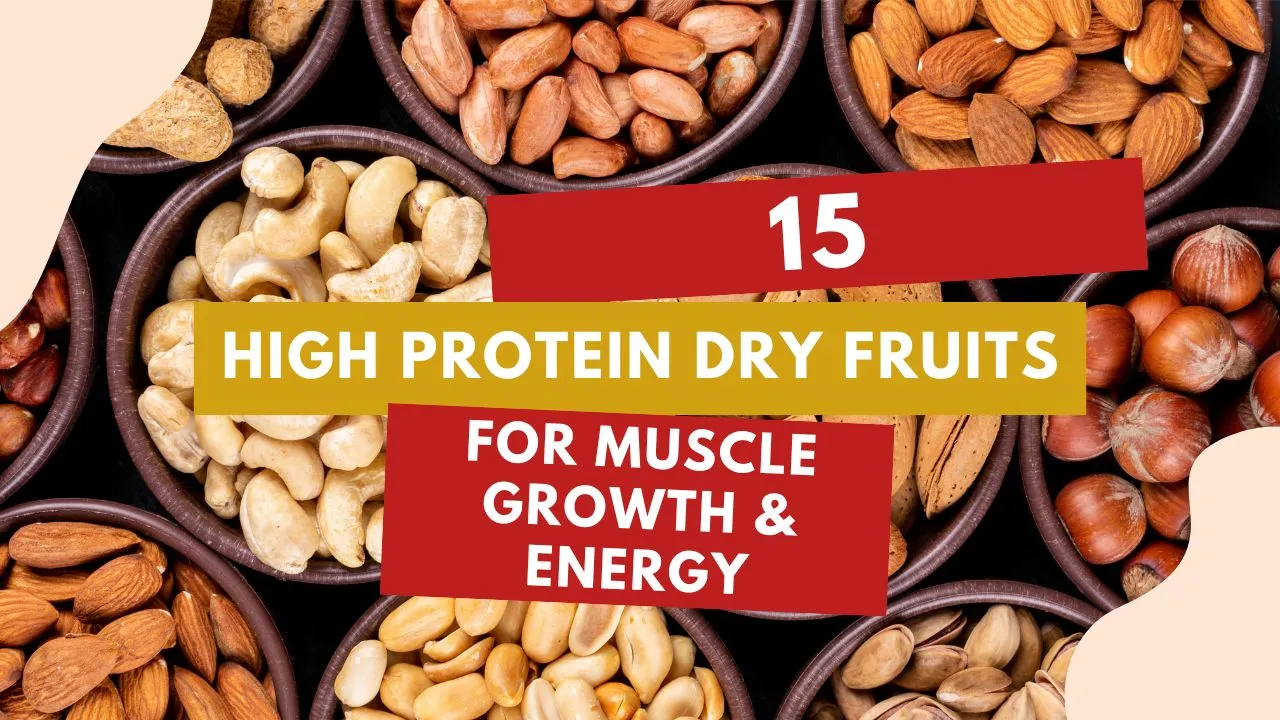
Struggling to meet your daily protein needs without relying solely on meat and supplements? High protein dry fruits offer a convenient, nutrient-dense solution for muscle growth and sustained energy. Surprisingly, peanuts pack an impressive 26g of protein per 100g, while almonds provide 21g and pistachios offer 20g. These protein rich fresh dry fruits are loaded with healthy fats, fiber, and essential vitamins that support your fitness goals.
We’ve compiled 15 high protein nuts and seeds to help you build muscle naturally and boost your energy levels throughout 2026.
Why Protein Is Important for Muscle Growth
Muscle tissue undergoes continuous cycles of protein synthesis and breakdown. Skeletal muscle mass is regulated by muscle protein synthesis (MPS) and muscle protein breakdown (MPB), both sensitive to amino acid availability and exercise. When you consume protein, the resulting increase in blood amino acids triggers a robust but short-lived increase in MPS rates while mildly suppressing MPB.
Resistance exercise amplifies this effect dramatically. An acute bout of resistance training stimulates MPS by more than 100% above baseline levels. However, muscle growth only occurs when protein intake follows exercise, creating a synergistic impact that produces a sustained state of positive protein balance. This combination of repeated resistance exercise and protein consumption drives muscle protein accumulation over time.
The essential amino acids within protein drive the entire anabolic response. Specifically, leucine serves as the primary amino acid that triggers MPS through activation of the mTOR signaling pathway. While leucine alone can stimulate protein synthesis, the process eventually becomes limited without adequate availability of other essential amino acids. Your body cannot manufacture these nine essential amino acids, making dietary sources like high protein nuts and seeds necessary for muscle development.
Research demonstrates that approximately 20g of high-quality protein per meal (or 0.3g per kg of body weight) maximally stimulates MPS. When consumed every 3 hours throughout the day, this protein distribution optimizes muscle protein synthesis. For muscle growth, protein intake of 1.6g per kg of body weight daily proves effective. A meta-analysis showed that protein supplementation during resistance training for at least 6 weeks increased lean mass gains by 27% on average.
As a matter of fact, protein rich dry fruits provide the essential amino acids needed to repair muscle fibers damaged during exercise. Without adequate protein intake, muscle recovery becomes compromised, leading to extended recovery times and limited growth potential.
List of 15 High Protein Dry Fruits for Muscle Growth and Health
Nuts, Seeds, and select plant-based options form the backbone of high protein dry fruits available for muscle building. Each entry below details specific protein content per 100g serving, complete nutritional profiles, and practical consumption methods.
Almonds (Badam)
Protein Content & Nutritional Profile
Almonds (Badam) deliver 19.7g of protein per 100g serving, positioning them among the top protein rich dry fruits. A standard 30g portion (approximately 20 almonds) provides 5.91g of protein, contributing meaningfully to daily intake targets.
Beyond protein, almonds contain 50.5g of total fat per 100g, predominantly heart-healthy monounsaturated fats at 31g. The carbohydrate content remains low at 5.4g per 100g, with 10.9g of dietary fiber. Micronutrient density stands out with 266mg magnesium, 265mg calcium, 796mg potassium, and 31.4mg vitamin E per 100g. Polyphenols measure 418mg per 100g, supporting antioxidant activity.
Add premium Almonds (Badam) from Dry Fruits Mart to your daily diet and enjoy one of the most protein-rich available in Pakistan.
Health Benefits for Muscle Growth
Research involving 64 adults demonstrated that consuming 57g of almonds daily for 4 weeks reduced post-exercise fatigue and tension while increasing leg and lower back strength. The same study found lower serum creatine kinase levels, a marker of muscle damage, immediately after and one day following exercise.
As a protein dense plant food, almonds supply approximately 6g of protein per 30g serving, including abundant branched-chain amino acids that ameliorate muscle soreness following eccentric exercise. A separate study showed that almond consumption modestly reduces pain, better maintains muscle strength, and reduces the creatine kinase response to eccentric-based exercise.
How to Consume Almonds
Eating 20-23 almonds daily provides meaningful contributions to protein, fiber, magnesium, and vitamin E needs. Soaking almonds removes enzyme inhibitors, enhancing nutrient absorption. For instance, you can add chopped almonds to yogurt, cottage cheese, salads, or oatmeal for extra protein. Almond butter delivers 6.7g of protein per 32g serving, while almond flour offers 3.9g per 15g.
Pistachios
Protein Content & Nutritional Profile
One serving of pistachios (Pista) provides 49 kernels, more nuts per serving than any other snack nut, delivering 6g of protein. Pistachios qualify as a complete protein source, containing all nine essential amino acids. Gram for gram, pistachios match the protein content of an egg.
The protein composition reaches approximately 21% of total weight, translating to 21g per 100g serving. A 1-ounce (28g) serving contains 159 calories with 5.7g protein, 12.8g fat, 7.7g carbohydrates, and 3g fiber. The fat profile consists mainly of 24.5g monounsaturated and 13.3g polyunsaturated fatty acids per 100g.
Notably, pistachios contain a higher essential amino acid ratio than almonds, walnuts, pecans, and hazelnuts. The branched chain amino acid percentage stands out among commonly consumed nuts. Potassium content matches half a large banana at 290mg per serving, while vitamin B6 provides 28% of the daily value.
Add premium Pistachios (Pista) from Dry Fruits Mart to your daily diet and enjoy a powerful combination of complete protein, healthy fats, and essential nutrients.
Health Benefits for Muscle Growth
Pistachios supply approximately 12g of protein and 1g of leucine in a 2-ounce serving. Leucine triggers muscle protein synthesis through mTOR pathway activation. Research confirms that pistachio consumption effectively raises plasma leucine concentrations in athletes.
A study demonstrated that consuming 3.0 oz daily for 2 weeks reduced subjective pain ratings in most muscle groups examined and maintained muscle force production at specific knee extension and flexion speeds compared to lower doses. The antioxidants in pistachios, including gamma-tocopherol, polyphenols, lutein, and zeaxanthin, reduce perceived soreness and exercise-induced muscle damage.
How to Consume Pistachios
Consume pistachios 15 to 20 minutes post-workout with carbohydrate-rich foods for optimal muscle recovery. Add them to oatmeal, yogurt, salads, or grain dishes for added protein. Alternatively, blend them into smoothies, use as pizza or fish garnish, or incorporate into pesto and nut butters.
Peanuts (Mong Phali)
Protein Content & Nutritional Profile
Unlike the tree nuts covered earlier, peanuts (M0ng Phali) belong to the legume family, related to beans and lentils rather than almonds or cashews. Raw peanuts contain 25.8g of protein per 100g, with a standard one-ounce serving providing approximately 7g of protein. This protein comprises 22-30% of total calories, making peanuts exceptional among plant-based options.
In fact, peanuts contain all 20 essential amino acids, qualifying them as a complete protein source. Arginine stands out as the most abundant amino acid, supporting muscle function and blood flow. Leucine content proves particularly valuable for triggering muscle protein synthesis. A 100g serving delivers 567 calories, 49.2g fat (predominantly monounsaturated at 24.43g), 16.1g carbohydrates, and 8.5g fiber. Micronutrients include 168mg magnesium, 376mg phosphorus, 705mg potassium, and significant amounts of biotin, niacin, and folate.
Add high-quality Peanuts (Mong Phali) from Dry Fruits Mart to your daily diet and enjoy a natural source of plant-based protein and essential nutrients.
Health Benefits for Muscle Growth
Peanuts support muscle repair through their amino acid composition. Consuming peanut protein within 2 hours post-exercise maximizes muscle-building potential. The combination of protein, carbohydrates, and healthy fats helps replenish glycogen stores while promoting muscle protein synthesis.
How to Consume Peanuts
Snack on roasted peanuts post-workout, spread peanut butter on whole grain toast, blend into smoothies, or add to stir-fries and salads. Peanut butter provides 8g protein per 2 tablespoons.
Cashews Nuts (Kaju)
Protein Content & Nutritional Profile
Cashews (Kaju) are kidney-shaped seeds sourced from the cashew tree. A 1-ounce (28g) serving provides 5.16g of protein, while 100g contains approximately 17-18g. This places cashews among the top three tree nuts for protein content, behind almonds and pistachios.
A 30g serving (around 15-18 cashews) delivers 157 calories, 12.4g fat, 8.56g carbohydrates, and 0.9g fiber. Around 62% of the fat consists of monounsaturated fats, supporting heart health. Cashews contain substantial amounts of copper at 0.6mg per ounce, providing 67% of the daily value. Magnesium reaches 82.8mg per serving, while zinc content stands at 1.6-1.7mg, the highest among all tree nuts.
Add premium Cashews (Kaju) from Dry Fruits Mart to your daily diet and enjoy a rich source of protein, healthy fats, and essential minerals.
Health Benefits for Muscle Growth
Cashews provide essential amino acids necessary for muscle repair. The 5g of protein per ounce supports muscle development, while magnesium aids muscle contraction and recovery after exercise. Research involving people with type 2 diabetes showed that consuming 10% of daily calories from cashews lowered insulin levels, indicating improved blood sugar management.
How to Consume Cashews
Eat 15-20 whole cashews daily for muscle growth and recovery. Add them to stir-fries, curries, salads, or blend soaked cashews into smoothies for extra protein. Cashew butter on toast provides another convenient option.
Walnuts (Akhrot)
Protein Content & Nutritional Profile
One ounce of walnuts (akhrot) (approximately 14 halves) contains 4.3g of protein, while 100g delivers 15g. Walnuts consist of 65% fat and about 15% protein by weight. A standard serving provides 185 calories, 18.5g fat, 3.9g carbohydrates, and 1.9g fiber.
Walnuts contain 2.5g of alpha-linolenic acid (ALA) per ounce, the highest omega-3 content among tree nuts. This plant-based omega-3 fatty acid proves essential since your body cannot manufacture it. Micronutrients include 45mg magnesium, along with copper, phosphorus, vitamin B6, manganese, and vitamin E. Specifically, walnuts ranked second among 1,113 commonly eaten foods for antioxidant content.
Add premium Walnuts (Akhrot) from Dry Fruits Mart to your daily diet and enjoy a rich source of protein, omega-3s, and powerful antioxidants.
Health Benefits for Muscle Growth
Walnuts support muscle repair through their protein and essential amino acids. The 2.5g of omega-3 per serving provides anti-inflammatory properties that reduce exercise-induced muscle damage. Polyphenols, particularly ellagitannins, combat oxidative stress and inflammation. Beneficial gut bacteria convert these ellagitannins to urolithins, compounds that protect against inflammation.
Consequently, soaking walnuts for 8 hours reduces phytic acid levels, improving zinc and iron absorption. This process increases nutrient absorption by 20-30% while activating enzymes that break down proteins more efficiently.
How to Consume Walnuts
Consume 2-5 whole walnuts daily (28-30g), preferably during mid-morning or pre-workout for enhanced mental clarity. Add chopped walnuts to salads, oatmeal, or Greek yogurt. Blend them into smoothies or create walnut butter by processing with salt and oil.
Hazelnuts
Protein Content & Nutritional Profile
Hazelnuts, also known as filberts, provide 4.2g of protein per ounce (28g, approximately 20 whole kernels). Per 100g, they contain 15g of protein, placing them solidly within protein rich dry fruits. A one-ounce serving delivers 176 calories, 17g total fat, 4.7g carbohydrates, and 2.7g fiber.
The micronutrient profile proves particularly impressive. Vitamin E reaches 21% of the RDI per ounce, while manganese stands out at 87% of the RDI. Additionally, thiamin and magnesium each provide 12% of the RDI, and copper contributes 24%. Hazelnuts contain substantial amounts of monounsaturated fats at 48.8g per 100g and polyunsaturated fats at 7.2g per 100g, including omega-6 and omega-9 fatty acids such as oleic acid.
Add premium Hazelnuts from Dry Fruits Mart to your daily diet and enjoy a rich source of protein, healthy fats, and essential micronutrients.
Health Benefits for Muscle Growth
Regular hazelnut consumption supports muscle development through its complete amino acid profile and antioxidant content. The oleic acid in hazelnuts benefits insulin sensitivity, helping regulate blood sugar during muscle recovery. Research demonstrates that hazelnuts can lower LDL cholesterol while maintaining HDL cholesterol levels, supporting cardiovascular health during intense training periods.
How to Consume Hazelnuts
Consume 1-2 ounces daily (approximately 15-20 nuts) for optimal benefits. Add chopped hazelnuts to salads for crunchy texture, blend into smoothies for added protein, or use as a coating for fish or venison. Hazelnut butter serves as a nutrient-dense spread on whole grain toast.
Brazil Nuts
Protein Content & Nutritional Profile
Brazil nuts are large, crescent-shaped seeds that stand apart from other high protein nuts due to their exceptional selenium concentration. One ounce (28g) provides 4g of protein, while 100g contains 14.4g. A single nut delivers 96 micrograms of selenium, representing 988% of the daily value.
In addition to protein, one ounce contains 187 calories, 19g fat, and 2g fiber. The fat profile includes beneficial monounsaturated and polyunsaturated fats. Micronutrients include 105mg magnesium per serving, along with vitamin E, calcium, copper, zinc, and phosphorus.
Add premium Brazil Nuts from Dry Fruits Mart to your daily diet and enjoy a powerful source of protein, healthy fats, and selenium for overall wellness.
Health Benefits for Muscle Growth
Magnesium in Brazil nuts supports muscle contraction, relaxation, and energy production. This mineral prevents muscle cramps, spasms, and fatigue. Selenium aids in reducing oxidative stress caused by intense physical activity, promoting faster recovery. Consequently, Brazil nuts support muscle function, reduce soreness, and enhance overall physical performance.
How to Consume Brazil Nuts
Consume only 1 to 3 Brazil nuts daily to avoid selenium toxicity. Add chopped nuts to salads, yogurt, or cereal. Blend them into smoothies for nutrient density, use in baking muffins or cookies, or eat raw as a convenient snack.
Pine Nuts (Chilgoza)
Protein Content & Nutritional Profile
Pine nuts (Chilgoza) are technically seeds harvested from pine cones rather than true nuts. One ounce (28g, approximately 167 kernels) contains 3.9g of protein, placing them lower in protein density compared to other high protein nuts covered earlier. Per 100g, protein reaches 13.7g.
Calorie density stands at 191 per ounce, with 19g total fat composed primarily of unsaturated fatty acids. Carbohydrates remain minimal at 3.7g per ounce with 1.1g fiber. Micronutrient content includes 71.2mg magnesium, 163mg phosphorus, and 1.57mg iron per serving. Pine nuts provide 31.4mg of omega-3 ALA per ounce, along with vitamin E, vitamin K, copper, and manganese.
Add premium Pine Nuts (Chilgoza) from Dry Fruits Mart to your daily diet and enjoy a natural source of protein, healthy fats, and essential minerals.
Health Benefits for Muscle Growth
Pine nuts increase energy levels through their combination of protein, iron, and magnesium. The unsaturated fats help raise HDL cholesterol while lowering LDL levels, supporting cardiovascular function during training. Omega-3 fatty acids found in pine nuts help build and repair brain cells, with research showing improved thinking abilities and blood flow to the brain. The balance of healthy fats, protein, and fiber helps keep blood sugar levels stable, supporting consistent energy for muscle recovery.
How to Consume Pine Nuts
Consume 8-10 pine nuts daily or 1-2 tablespoons for optimal benefits without excess calories. Toast them in a skillet over medium heat for a few minutes until fragrant to enhance their mild, buttery flavor. Add toasted pine nuts to salads, grain bowls, or vegetables for extra protein, blend into pesto sauces, or eat raw as a portable snack.
Pumpkin Seeds (Kadoo Ke Beej)
Protein Content & Nutritional Profile
Pumpkin Seeds (Kadoo Ke Beej) offer protein content ranging from 5.3g to 8.45g per ounce depending on preparation method. Whole roasted seeds with shells contain 5.3g protein per ounce, while hulled kernels provide 6.96g per ounce. One ounce delivers 126 calories, 5.5g fat, 15.2g carbohydrates, and 5.2g fiber.
Mineral density proves exceptional. Magnesium reaches 74.3mg per ounce, supporting over 300 enzymatic reactions. Zinc stands at 2.92mg, phosphorus at 332.83mg, and iron at 4.24mg per ounce. Pumpkin seeds contain 576mg of tryptophan per 100g, an amino acid precursor to serotonin.
Add premium Pumpkin Seeds (Kadoo Ke Beej) from Dry Fruits Mart to your daily diet and enjoy a protein-rich snack packed with essential minerals.
Health Benefits for Muscle Growth
Zinc, magnesium, and iron support muscle contraction, oxygen delivery, and hormonal balance. Specifically, zinc improves sperm quality and male fertility while supporting testosterone levels. The protein content makes pumpkin seeds effective post-workout when paired with fruits or yogurt.
Tryptophan aids sleep quality, supporting recovery. Consuming 1g of tryptophan daily improves sleep.
How to Consume Pumpkin Seeds
Soak seeds in water (2-3 times the volume) for 1-4 hours at room temperature to reduce phytic acid. Roast at 75°C for 30 minutes until golden, shaking periodically. Add to salads, smoothies, yogurt, or blend into pumpkin seed butter.
Sunflower Seeds (Surajmukhi ke Beej)
Protein Content & Nutritional Profile
Harvested from large flower heads of Helianthus annuus, Sunflower Seeds (Surajmukhi ke Beej) pack 20.8g of protein per 100g. A standard quarter-cup serving delivers approximately 6g of protein, contributing meaningfully to daily targets. One ounce provides 584 calories with 51.5g total fat, predominantly polyunsaturated at 23g and monounsaturated at 19g.
Vitamin E content reaches 35mg per 100g, representing 234% of the daily value. In fact, this exceeds almonds, peanuts, and other high protein nuts covered earlier. B vitamins include thiamin at 123% DV and B6 at 103% DV. Minerals feature copper at 68% of daily intake, magnesium at 645mg potassium, and selenium at 35%. Fiber stands at 8.6g per 100g.
Add premium Sunflower Seeds (Surajmukhi ke Beej) from Dry Fruits Mart to your daily diet and enjoy a protein-packed snack rich in healthy fats, vitamins, and minerals.
Health Benefits for Muscle Growth
Vitamin E aids muscle repair by quickly restoring muscle cells after damage from training. Specifically, magnesium supports protein synthesis for muscle building, with research showing enhanced muscle gains when combined with strength training. Selenium and B vitamins keep energy levels elevated throughout workouts, while fiber carries out waste byproducts of muscle production.
How to Consume Sunflower Seeds
Eat raw or lightly roast at 300 degrees for 10-15 minutes. Sprinkle on salads, oatmeal, yogurt, blend into smoothies, or add to pancake and muffin batters. Try sprouting for improved nutrient availability.
Chia Seeds
Protein Content & Nutritional Profile
Originating from the Salvia hispanica plant, chia seeds contain 16.5-16.9% protein, translating to 4.7g per ounce. This protein content surpasses common cereals like corn (9.4%), rice (6.5%), and wheat (12.6%). Chia seeds qualify as a complete protein source, providing all nine essential amino acids including arginine, leucine, phenylalanine, valine, and lysine.
One ounce delivers 138-140 calories, 8.7-9g fat, 11.9-12g carbohydrates, and 9.8-10g fiber. Omega-3 content reaches 5g per ounce, while minerals include manganese (23% DV), phosphorus (20% DV), copper (29% DV), selenium (29% DV), iron (22% DV), magnesium (23% DV), and calcium. The absence of gluten makes chia seeds valuable for celiac disease patients.
Add premium Chia Seeds from Dry Fruits Mart to your daily diet and enjoy a complete protein source packed with omega-3s, fiber, and essential minerals.
Health Benefits for Muscle Growth
Chia seeds support muscle protein synthesis through their complete amino acid profile. The 5g of omega-3 per serving reduces inflammation and exercise-induced muscle damage. Fiber content promotes satiety and stabilizes blood sugar levels, reducing diabetes risk.
How to Consume Chia Seeds
Mix 1/4 cup seeds with 1 cup liquid, allowing 15-20 minutes for gel formation. Add to smoothies, yogurt, oatmeal, or use as egg replacer (1 tablespoon seeds plus 3 tablespoons water equals one egg).
Hemp Seeds
Protein Content & Nutritional Profile
Derived from the Cannabis sativa plant, hemp seeds deliver 31.56g of protein per 100g, surpassing chia and flax among plant-based options. Three tablespoons provide 9.5-10g of protein, qualifying hemp as a complete protein source with all nine essential amino acids. The protein comprises 67-75% edestin and globulin, with albumin ranging from 25-37%.
Arginine stands out at 4.55g per 100g, supporting nitric oxide production for blood vessel relaxation. In addition to protein, hemp seeds contain optimal omega-3 to omega-6 ratios of 2:1 or 3:1. Mineral density proves exceptional with magnesium at 167% DV, phosphorus at 132% DV, zinc at 90% DV, copper at 178% DV, and manganese at 330% DV. Vitamins include thiamin at 107% DV, niacin at 58% DV, and vitamin B6 at 35% DV.
Health Benefits for Muscle Growth
Hemp protein digestibility exceeds wheat and legumes, allowing efficient amino acid absorption for muscle repair. The arginine content produces nitric oxide, helping blood vessels relax and lowering blood pressure. Polyunsaturated fatty acids reduce cardiovascular disease, inflammation, and autoimmune conditions. Specifically, omega-3 and omega-6 fatty acids support heart health while reducing exercise-induced inflammation.
How to Consume Hemp Seeds
Eat raw straight from the bag, sprinkle on salads, cereal, or yogurt. Blend into smoothies for texture, add to oatmeal and granola, or bake into muffins and bread. Make hemp milk by blending one tablespoon with one cup water.
Flax Seeds (Alsi Ke Beej)
Protein Content & Nutritional Profile
Flaxseeds contain 20-30% protein by weight, with one tablespoon (7g) ground flax Seeds (alsi Ke Beej) providing 1g protein. While lower than hemp seeds, flaxseeds qualify as the richest plant source of lignans at 0.7-1.5% of dry weight, plant compounds with potent cancer-fighting properties.
One tablespoon delivers 37 calories, 3g fat, 2g carbohydrates, and 2g fiber. Flaxseeds contain both soluble fiber that absorbs water and slows digestion, plus insoluble fiber that adds bulk to stool. Micronutrients include thiamine (10% DV), copper (9% DV), manganese (8% DV), and magnesium (7% DV). Alpha-linolenic acid (ALA) reaches 1,597mg per tablespoon, supporting anti-inflammatory processes.
Add premium Flaxseeds (Alsi Ke Beej) from Dry Fruits Mart to your daily diet and enjoy a rich source of protein, fiber, and heart-healthy omega-3s.
Health Benefits for Muscle Growth
Research on dystrophic hamsters showed dietary flaxseed prevents fibrosis and derangement of skeletal muscle structure. Equally important, flaxseed increases myofiber size, reduces variability in fiber size, and markedly decreases degenerated fibers. The ALA content counteracts harmful effects on myogenesis while enhancing cells expressing myogenin and caveolin-3. Fiber binds to bile salts, forcing your liver to pull cholesterol from blood and resulting in lower levels.
How to Consume Flaxseeds
Consume ground flaxseed instead of whole since your intestines cannot break down the tough outer shell. Mix 1 tablespoon ground flaxseed with 3 tablespoons water for an egg substitute. Add to smoothies, yogurt, oatmeal, or sprinkle over cereal.
Fox Nuts (Makhana)
Protein Content & Nutritional Profile
Known as fox nuts (phool makhana) or lotus seeds in Asian cuisine, makhana delivers 9.7g of protein per 100g, with ranges reported between 7.2-11.2g depending on variety. A standard 30g serving provides approximately 2.9g of protein while containing just 100 calories, making it exceptionally low in calorie density compared to the high protein nuts covered earlier. Per 100g, makhana contains 347-362 calories, 73-77g carbohydrates, and only 0.1-0.5g fat.
Fiber content reaches 14-14.5g per 100g, supporting digestive health. Minerals include 55-60mg calcium, 300-500mg potassium, 56-80mg magnesium, and 1.4-3.5mg iron. Phosphorus stands at 200mg per cup.
Add premium Fox Nuts (Phool Makhana) from Dry Fruits Mart to your daily diet and enjoy a low-calorie, protein-rich snack packed with fiber and essential minerals.
Health Benefits for Muscle Growth
Makhana provides essential amino acids that facilitate muscle repair and growth. The high magnesium content improves stamina and energy levels, while anti-inflammatory properties reduce muscle soreness and speed up recovery after intense workouts. Calcium supports bone health, preventing injuries during training. The low glycemic index ensures steady energy release, preventing blood sugar spikes that interfere with muscle recovery.
How to Consume Fox Nuts
Roast makhana with ghee, salt, and spices for a crunchy snack. Add roasted pieces to salads for texture, blend into smoothies with protein powder, or incorporate into curries where they absorb flavors. A recommended portion of 30-50g daily provides nutritional benefits without excess calories.
Quinoa
Protein Content & Nutritional Profile
Classified as a whole grain despite being technically a seed, quinoa provides 8g of protein per cup cooked. Per 100g cooked, protein reaches 4.4g, while one cup of dry quinoa contains 22.27g. Unlike the nuts and seeds covered earlier, quinoa qualifies as a complete protein source, containing all nine essential amino acids your body cannot manufacture.
Specifically, quinoa proves exceptionally high in lysine, an amino acid usually lacking in plant foods, plus rich amounts of methionine and histidine. One cup cooked delivers 222 calories, 39g carbohydrates, 5g fiber, and essential minerals including 28% DV magnesium, 18% DV zinc, 15% DV iron, and 39% DV copper. Folate reaches 19% DV, while manganese stands at 51% DV. Being naturally gluten-free makes quinoa suitable for those with celiac disease or gluten sensitivity.
Health Benefits for Muscle Growth
The complete amino acid profile supports muscle protein synthesis effectively. Quinoa’s complex carbohydrate structure releases energy slowly, providing sustained fuel for workouts and physical activities. This steady energy helps maintain performance during exercise while supporting muscle function.
How to Consume Quinoa
Rinse quinoa through a fine mesh strainer before cooking to remove saponins. Use a 2:1 liquid-to-quinoa ratio, bringing to a boil then simmering covered for 15 minutes until tender. Add to breakfast bowls with nuts and fruit, substitute for rice in stir-fries, or mix with vegetables and beans in salads.
Best Ways to Eat High Protein Dry Fruits
Knowing which high protein dry fruits to eat matters less than understanding when and how to combine them for maximum muscle-building impact. Strategic timing throughout your day optimizes protein absorption and supports recovery.
Start mornings with a nutrient-dense bowl combining Greek yogurt, one tablespoon each of chopped almonds, walnuts, and pumpkin seeds, two chopped dates (khajoor) for natural sweetness, and crushed pistachios on top. This breakfast delivers complete protein, healthy fats, and sustained energy.
For instance, create pre-workout energy balls by mixing soaked dates with cashews and honey, then rolling into bite-sized portions. Consume these 30 to 45 minutes before training for quick energy without heaviness.
Post-workout recovery demands different nutrition. Blend banana, milk, a handful of walnuts, soaked almonds, and two dates into a shake. This combination provides protein for muscle repair, omega-3s to reduce inflammation, and carbohydrates to refill glycogen stores.
Equally important, prepare trail mix by combining equal portions of almonds, cashews, pistachios, pumpkin seeds, and organic figs (anjeer). Store small amounts in ziplock bags for your desk or gym bag to maintain protein levels throughout the day.
Before bed, eat a small handful of almonds with two figs approximately one hour prior to sleep. This light snack supports overnight muscle recovery while preventing hunger. The magnesium in almonds improves sleep quality, when most muscle growth occurs.
Comparison Table: 15 High Protein Dry Fruits for Muscle Growth & Energy
| Dry Fruit/Seed | Protein per 100g | Protein per Serving | Calories per Serving | Key Nutrients | Primary Muscle Growth Benefit | Recommended Daily Amount |
|---|---|---|---|---|---|---|
| Almonds | 19.7g | 5.91g (30g/20 almonds) | Not mentioned | Magnesium (266mg), Calcium (265mg), Vitamin E (31.4mg), Potassium (796mg) | Reduces post-exercise fatigue, increases leg and lower back strength, lowers muscle damage markers | 20-23 almonds daily |
| Pistachios | 21g | 6g (49 kernels) | 159 calories (28g) | Potassium (290mg), Vitamin B6 (28% DV), Complete protein with all 9 essential amino acids | Contains leucine (1g per 2 oz) to trigger muscle protein synthesis, reduces muscle pain and maintains force production | 49 kernels per serving |
| Peanuts | 25.8g | 7g (1 oz) | 567 calories (100g) | Magnesium (168mg), Phosphorus (376mg), Potassium (705mg), Arginine | Complete protein with all 20 amino acids, supports muscle repair and blood flow | Not specified |
| Cashews | 17-18g | 5.16g (28g/15-18 cashews) | 157 calories (30g) | Copper (0.6mg/67% DV), Magnesium (82.8mg), Zinc (1.6-1.7mg – highest among tree nuts) | Provides essential amino acids for muscle repair, magnesium aids muscle contraction and recovery | 15-20 cashews daily |
| Walnuts | 15g | 4.3g (1 oz/14 halves) | 185 calories (1 oz) | Omega-3 ALA (2.5g), Magnesium (45mg), highest antioxidant content among nuts | Omega-3s reduce exercise-induced muscle damage, anti-inflammatory properties support recovery | 2-5 whole walnuts (28-30g) |
| Hazelnuts | 15g | 4.2g (28g/20 kernels) | 176 calories (1 oz) | Vitamin E (21% RDI), Manganese (87% RDI), Magnesium (12% RDI), Copper (24% RDI) | Complete amino acid profile supports muscle development, oleic acid benefits insulin sensitivity | 1-2 oz (15-20 nuts) |
| Brazil Nuts | 14.4g | 4g (28g) | 187 calories (1 oz) | Selenium (96mcg/988% DV per nut), Magnesium (105mg) | Selenium reduces oxidative stress from intense activity, magnesium prevents muscle cramps and fatigue | 1-3 nuts daily (avoid toxicity) |
| Pine Nuts | 13.7g | 3.9g (28g/167 kernels) | 191 calories (1 oz) | Magnesium (71.2mg), Phosphorus (163mg), Iron (1.57mg), Omega-3 ALA (31.4mg) | Increases energy through protein, iron, and magnesium; stabilizes blood sugar for consistent recovery | 8-10 nuts or 1-2 tbsp daily |
| Pumpkin Seeds | Not mentioned | 5.3-8.45g (1 oz, varies by preparation) | 126 calories (1 oz) | Magnesium (74.3mg), Zinc (2.92mg), Phosphorus (332.83mg), Iron (4.24mg), Tryptophan (576mg/100g) | Zinc, magnesium, and iron support muscle contraction and testosterone levels; tryptophan aids sleep/recovery | Not specified |
| Sunflower Seeds | 20.8g | 6g (1/4 cup) | 584 calories (1 oz) | Vitamin E (35mg/234% DV), Magnesium, Thiamin (123% DV), B6 (103% DV), Copper (68% DV) | Vitamin E restores muscle cells after damage, magnesium supports protein synthesis for muscle building | Not specified |
| Chia Seeds | 16.5-16.9% (approx. 16.5-16.9g) | 4.7g (1 oz) | 138-140 calories (1 oz) | Omega-3 (5g), Manganese (23% DV), Phosphorus (20% DV), Fiber (9.8-10g), Complete protein | Complete amino acid profile supports muscle protein synthesis, omega-3s reduce inflammation | 1/4 cup with liquid |
| Hemp Seeds | 31.56g | 9.5-10g (3 tbsp) | Not mentioned | Arginine (4.55g/100g), Magnesium (167% DV), Phosphorus (132% DV), Zinc (90% DV), Optimal omega 3:6 ratio | Complete protein with superior digestibility, arginine produces nitric oxide for blood vessel relaxation | 3 tablespoons |
| Flaxseeds | 20-30% by weight | 1g (1 tbsp/7g ground) | 37 calories (1 tbsp) | ALA omega-3 (1,597mg/tbsp), Lignans (0.7-1.5%), Thiamine (10% DV), Fiber (2g) | Prevents muscle fibrosis, increases myofiber size, reduces degenerated fibers, enhances myogenin expression | 1 tablespoon ground |
| Fox Nuts (Makhana) | 9.7g | 2.9g (30g) | 100 calories (30g) | Calcium (55-60mg), Potassium (300-500mg), Magnesium (56-80mg), Fiber (14-14.5g/100g) | Essential amino acids facilitate muscle repair, magnesium improves stamina, anti-inflammatory properties reduce soreness | 30-50g daily |
| Quinoa | 4.4g (cooked) | 8g (1 cup cooked) | 222 calories (1 cup cooked) | Magnesium (28% DV), Zinc (18% DV), Iron (15% DV), Manganese (51% DV), Complete protein | Complete amino acid profile including lysine supports muscle protein synthesis, complex carbs provide sustained energy | Not specified |
Conclusion
Altogether, these 15 high protein dry fruits give you practical alternatives to meet your daily protein needs naturally. Hemp seeds lead with 31.56g per 100g, while peanuts deliver 25.8g and almonds provide 19.7g. As a matter of fact, combining different options throughout your day maximizes amino acid profiles and supports muscle recovery effectively.
Start by selecting three to five favorites from this list based on your taste preferences and budget. Mix them into your post-workout meals, morning yogurt, or trail mix snacks. The key lies in consistency rather than variety. Track your daily protein intake and adjust portions accordingly to reach that 1.6g per kg body weight target for optimal muscle growth.
FAQs
Q1. Which dry fruits have the highest protein content for building muscle?
Peanuts lead with 25.8g of protein per 100g, followed by almonds at 19.7g and pistachios at 21g. Hemp seeds are exceptional among seeds with 31.56g per 100g. These protein-dense options provide essential amino acids necessary for muscle repair and growth when consumed regularly as part of a balanced diet.
Q2. How much protein do I need daily to support muscle growth?
Research shows that consuming 1.6g of protein per kilogram of body weight daily effectively supports muscle growth. This translates to approximately 20g of high-quality protein per meal, consumed every 3 hours throughout the day to maximize muscle protein synthesis and recovery.
Q3. What makes certain dry fruits better than others for muscle development?
Complete protein sources like pistachios, hemp seeds, chia seeds, and quinoa contain all nine essential amino acids your body cannot produce. Additionally, nuts and seeds rich in leucine (like pistachios with 1g per 2 oz) specifically trigger muscle protein synthesis through the mTOR pathway, making them particularly effective for muscle building.
Q4. Can I rely solely on dry fruits to meet my protein requirements?
While high protein dry fruits provide valuable nutrients, they work best as part of a varied diet. Combining different nuts and seeds throughout the day maximizes amino acid profiles. For example, mixing almonds, walnuts, and pumpkin seeds provides complementary nutrients including protein, omega-3 fatty acids, and minerals that collectively support muscle recovery.
Q5. When is the best time to consume protein-rich dry fruits for muscle growth?
Post-workout consumption within 2 hours maximizes muscle-building potential, as resistance exercise increases muscle protein synthesis by over 100%. Additionally, eating a small handful of almonds before bed supports overnight muscle recovery, while pre-workout energy balls made from dates and cashews provide sustained energy without heaviness.