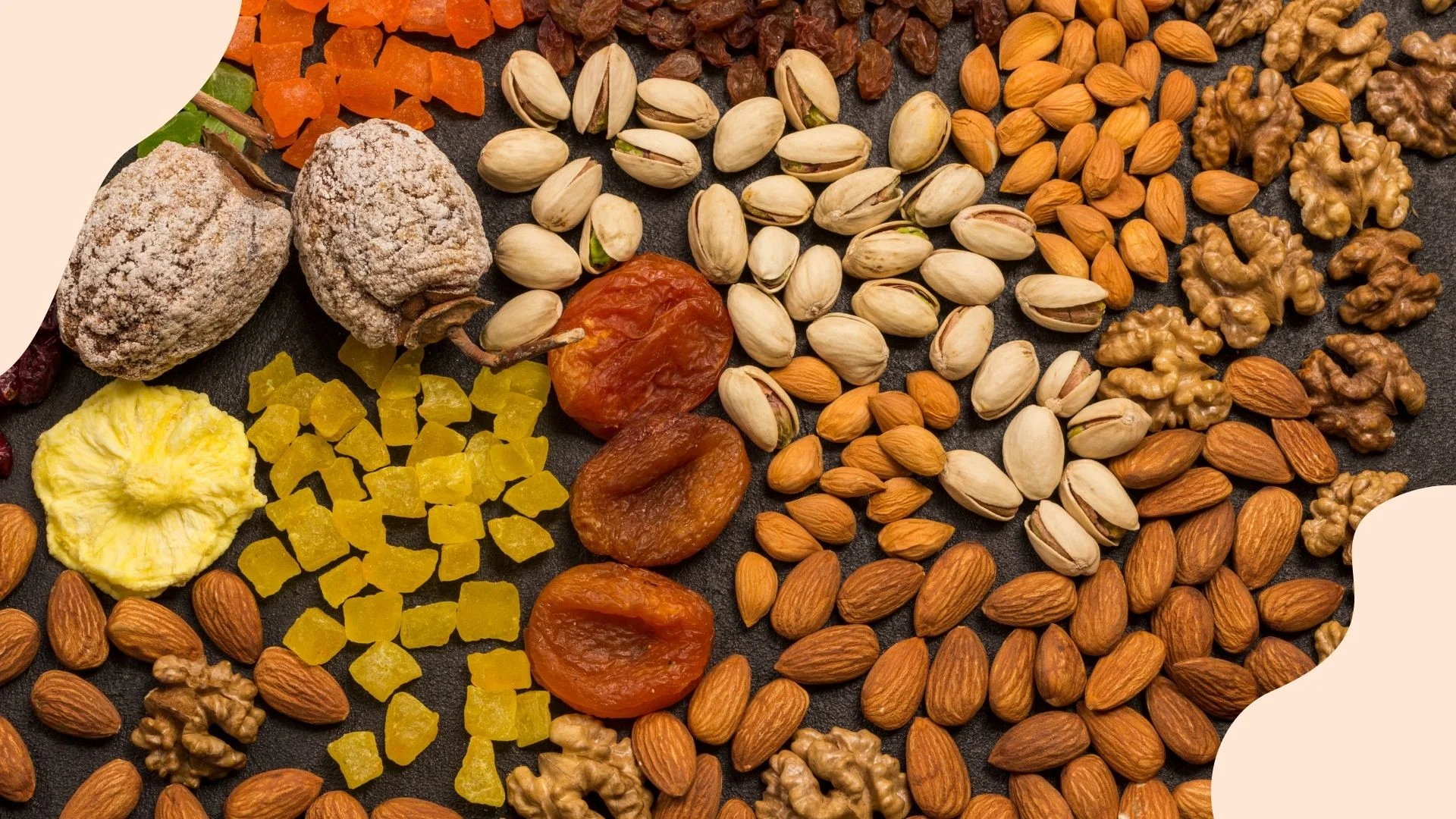
The Global Burden of Disease Study (2017) found that rising uric acid levels affect around one to four of the total global population with gout. This makes dry fruits a relevant dietary strategy to control uric acid. High uric acid can lead to painful conditions like gout and kidney stones. Research shows direct results: people consuming magnesium-rich almonds reduced uric acid levels by 10 to 15% over six weeks. We’ve compiled this piece covering the best dry fruits to manage uric acid, including almonds and walnuts, along with consumption methods and options you should avoid.
How Dry Fruits Help Lower Uric Acid: The Science Behind It
Dry fruits work through multiple biological pathways to manage uric acid levels. Low purine content stands as the main mechanism and directly reduces the amount of uric acid your body produces from dietary sources. Purines break down into uric acid during metabolism. Consuming foods with minimal purines prevents excess accumulation.
Specific fruit components influence serum uric acid concentrations beyond purine control. Fructose, polyphenols, vitamin C, dietary fiber and minerals all play distinct roles in this process. Magnesium, found in almonds and cashews, decreases inflammation while improving organ function for better uric acid removal. Copper in cashews helps regulate enzymes involved in uric acid metabolism. Participants experienced an 8% reduction in uric acid levels within eight weeks.
Omega-3 fatty acids provide anti-inflammatory benefits. Nut consumption showed a 25% drop in inflammatory markers linked to gout. This addresses the swelling and joint discomfort that accompanies elevated uric acid. Antioxidants work to curb oxidative stress and protect cells from free radical damage. Fiber in pistachios reduces purine absorption from food. Compounds like lutein and zeaxanthin minimize oxidative stress, leading to a 12% decrease in serum uric acid among daily consumers.
Kidney function receives substantial support from minerals present in dry fruits. Magnesium and potassium enhance kidney efficiency. These organs are responsible for filtering and eliminating uric acid from your bloodstream. Potassium-rich foods like dates showed uric acid reductions of up to 15% in research participants. Polyphenol-rich options such as raisins reduced oxidative stress by 20% and improved uric acid metabolism by 30%.
Alkaline foods like figs increase uric acid excretion by 18% if you have mild hyperuricemia. The dietary fiber component helps proper digestion and supports excess uric acid elimination through the kidneys.
Dry fruits cannot cure hyperuricemia but assist in regulating high levels through inflammation reduction and kidney function stimulation. The combination of low purines, anti-inflammatory oils, protective antioxidants and kidney-supporting minerals creates a multi-faceted approach to managing uric acid levels.
1. Almonds
Almonds received Food and Drug Administration approval for their cardiovascular disease risk reduction potential. This positions them among the most researched dry fruits good for uric acid management. Clinical trials show measurable benefits beyond simple nutrition.
Key Nutrients in Almonds
Vitamin E stands out as a primary component. It works with magnesium and manganese to aid excess uric acid elimination from your body. The antioxidants concentrated in almond skins curb free radicals. L-arginine serves as a nitric oxide precursor. Dietary fiber promotes proper digestion and helps kidney-based uric acid removal. Monounsaturated fats support heart health and reduce inflammation throughout your system.
How Almonds Lower Uric Acid
A controlled study on coronary artery disease patients revealed substantial reductions in serum uric acid following almond supplementation. Participants consuming almonds before breakfast showed 13-16% lower uric acid at week 6. This increased to 14-18% reductions by week 12.
Gender-specific analysis provides more insight. Males in the pre-breakfast almond group experienced 15% lower uric acid at week 6 and 17% by week 12 compared to non-intervention subjects. Females showed 12% and 16% reductions at the same intervals. The after-breakfast consumption group showed even stronger results. Males achieved 17% and 20% reductions at weeks 6 and 12, while females reached 19% and 21%.
The low purine content combined with vasculo-protective effects creates dual benefits. Previous research showed almonds’ dyslipidemia improvement capabilities. This uric acid reduction adds another dimension to their health profile. Prevention of hyperuricemia confers protection from kidney and vascular damage.
Best Ways to Consume Almonds
The clinical research protocol offers practical guidance. Consume 10 grams daily before breakfast for optimal uric acid reduction. This timing appears linked to the nutrient absorption patterns that maximize benefits. Keep the skin intact when eating almonds. The outer layer contains concentrated antioxidants that fight oxidative stress. Raw or lightly roasted almonds work similarly well, though avoid heavily salted or sugar-coated varieties that may counteract health benefits.
Looking for quality almonds? Shop premium almonds in Pakistan for everyday snacking and healthy recipes.
2. Walnuts
Walnuts rank third among the world’s most consumed nuts and show measurable effects on hyperuricemia through distinct biological pathways. Research with multiple nut varieties identified walnut consumption as substantially protective against elevated uric acid levels.
Key Nutrients in Walnuts
The fatty acid profile distinguishes walnuts from other dry fruits good for uric acid management. Linoleic acid has 63.2% of total fats, followed by oleic acid at 14.5% and alpha-linolenic acid at 11.2%. Your body converts alpha-linolenic acid into EPA and DHA, long-chain omega-3 fatty acids that modulate inflammation and blood pressure. A single ounce serving delivers 2,570 mg of omega-3.
Mineral content per 100 grams has magnesium at 158 mg, potassium at 441 mg, phosphorus at 346 mg and calcium at 98 mg. Copper promotes enzyme regulation, while folate provides 98 micrograms per 100-gram serving. Vitamin E appears in gamma-tocopherol form, with manganese and vitamin B6 supporting immune and nerve function. Phytosterols, ellagic acid, catechin and melatonin add antioxidant capacity. Walnuts ranked second in a 1,113-food antioxidant study.
How Walnuts Lower Uric Acid
A population study of nut intake patterns found walnut consumption reduced hyperuricemia risk with an odds ratio of 0.78 and statistical significance at P = 0.047. The mechanism operates through xanthine oxidase inhibition, the enzyme responsible for converting purines into uric acid. Polyphenols and antioxidants in walnuts block this conversion while accelerating uric acid excretion through kidney pathways.
Six-week walnut feeding trials showed favorable modulation of the omega-6 to omega-3 ratio in plasma and tissue, independent of metabolic stress factors. This ratio adjustment reduced inflammatory responses associated with gout symptoms. The combination of enzyme inhibition and improved fatty acid balance creates dual protective effects against uric acid accumulation.
Best Ways to Consume Walnuts
Limit daily intake to less than 25 grams to avoid excessive calorie consumption while maintaining uric acid benefits. One ounce (28-30 grams) approximates this recommendation and provides 185 calories with 18.5 grams of beneficial fats. Six weeks of consistent consumption appears necessary for measurable metabolic changes. Eat walnuts as standalone snacks or incorporate them into meals. Maintain the skin for maximum antioxidant retention.
Add fresh and premium walnut to your daily routine and enjoy their rich taste in snacks, breakfast, and recipes.
3. Cashews
Cashews provide a nutrient-dense option among dry fruits for uric acid management, though moderation matters more with this variety than others. The purine content is slightly higher compared to almonds and walnuts and requires careful portion control, yet the benefits remain substantial when you consume them the right way.
Key Nutrients in Cashews
Per 100 grams, cashews deliver around 18g of protein and about 44g of healthy fats, predominantly monounsaturated and polyunsaturated varieties. The 3g of dietary fiber supports digestive health and uric acid elimination. Mineral composition has magnesium, zinc, copper, iron, and potassium, each serving distinct metabolic functions. Copper helps regulate enzymes involved in uric acid metabolism specifically, while zinc supports immune responses. The cholesterol-free profile combined with less saturated fat per serving than meat makes cashews a heart-healthy protein alternative.
How Cashews Lower Uric Acid
Scientific studies confirm cashews do not raise blood uric acid levels and contain only trace amounts of purines compared to animal-based foods. The monounsaturated fats promote heart health and regulate your body’s overall fat metabolism. A well-regulated metabolism assists in keeping uric acid levels under control. Magnesium plays a role in improving overall kidney function and helps your body eliminate excess uric acid efficiently.
Cashews reduce LDL (low-density lipids) that cause high cholesterol effectively, a condition often associated with gout. Your auto-immune response gets activated when cholesterol climbs too high and creates swelling, especially in the joints. But a handful of cashews daily can help reduce high cholesterol levels and improve gout pain. The healthy fat composition improves metabolic balance, vital for people with gout who often face related conditions like obesity and hypertension. Antioxidants reduce oxidative stress and inflammation, two factors closely associated with gout flare-ups.
Best Ways to Consume Cashews
Nutrition experts recommend consuming 10-15 cashew nuts per day (about 20-25g). Eating 4-5 cashews at a time delivers optimal results alternatively. Choose natural, unsalted, dry-roasted cashews over oil-roasted varieties to keep fat and calorie intake low. A single ounce of salted, dry-roasted cashews has 181 mg of sodium, or 12 percent of the 1,500-mg daily limit for people on a low-sodium diet. Avoid flavored or salted varieties that have added sodium and sugar. Limit all high-protein foods during active gout flare-ups, including plant-based sources, to allow your body to recover.
For a convenient and satisfying snack, order quality cashew nuts in Pakistan and enjoy them straight from the pack or in your favorite recipes.
4. Pistachios
Research on pistachio consumption revealed major decreases in uric acid levels among participants who followed pistachio-enriched diets, though the magnitude of change didn’t differ from control diets. This positions pistachios as best dry fruits for uric acid management through oxidative stress reduction rather than direct purine displacement.
Key Nutrients in Pistachios
Pistachios contain 25.1 mg of purines per 100 grams, categorizing them as a low purine food suitable for regular consumption. The antioxidant profile distinguishes pistachios from other nuts: lutein, β-carotene, and γ-tocopherol appear in higher concentrations relative to competing varieties. Polyphenols and flavonoids add protective capacity. Selenium, proanthocyanidins and additional flavonoids contribute to the high in vitro antioxidant capacity. Potassium supports kidney function, which is essential for uric acid removal from your bloodstream.
How Pistachios Lower Uric Acid
Clinical investigation showed major decreases in serum uric acid after consumption of pistachio diets compared with baseline measurements. Participants experienced beneficial effects on multiple biomarkers of oxidative state. The study found notable decreases in serum oxidized-LDL and increases in serum antioxidants including γ-tocopherol, lutein, and β-carotene relative to control diets.
The antioxidants work to neutralize free radicals and help reduce inflammation linked to high uric acid levels. High levels of oxidative stress contribute to inflammation and increased uric acid accumulation. The decrease in uric acid may result from differences in purine amounts when displacing 10 and 20% of energy with pistachios. Potassium improves kidney function for uric acid elimination, while the oxidative stress counteraction addresses the cellular damage associated with elevated levels.
Best Ways to Consume Pistachios
A sensible portion equals a small handful around 30 grams and provides healthy fats, protein and minerals without overloading purine intake. Point often overlooked: unsalted pistachios prove better for gout management because excess salt can increase uric acid levels and affect kidney function. You want to stay under 400 mg of total daily purine consumption during maintenance periods. Hydration remains just as important; drinking plenty of water helps your kidneys filter uric acid more effectively.
Make your everyday snacking more enjoyable with premium pistachios delivered across Pakistan.
5. Dates
The dark, sticky texture and caramel-like flavor of dates mask an impressive nutritional profile for managing high uric acid. Dates contain almost no purines, which eliminates the main dietary source of uric acid accumulation. This zero-purine characteristic combined with active kidney support mechanisms positions dates among the best dry fruits for uric acid control.
Key Nutrients in Dates
A standard 72-gram serving provides 501mg of potassium (11% of daily value), 5g of dietary fiber (17% DV), and 39mg of magnesium (9% DV). Copper content reaches 0.3mg and delivers 29% of your daily requirement. Iron, vitamin B6, and various phenolic compounds appear among antioxidants that provide anti-inflammatory qualities. The high sugar content (48g per serving) comes from fructose rather than added sweeteners, though this makes dates sweeter than other dry fruits good for uric acid management.
How Dates Lower Uric Acid
Potassium relieves the re-absorption of uric acid and promotes urine excretion. The high fiber content supports gut health and prevents re-absorption of uric acid by the bloodstream. Research with participants on potassium-rich foods like dates found uric acid levels dropped as much as 15%. The minerals work through kidney pathways rather than direct purine displacement.
The mechanism operates on multiple fronts. Dates increase pH levels in urine and help kidneys eliminate purines more to reduce gout symptoms. Proper kidney function proves fundamental in removing uric acid from your bloodstream, and the potassium-fiber combination boosts this organ efficiency. Phenolic compounds and antioxidants curb inflammation and lower the chance of gout attacks.
Best Ways to Consume Dates
Dip dates in almond butter or pair them with small amounts of dark chocolate for boosted antioxidant benefits. Make date energy balls, chop them into salads, or mix with nuts for convenient snacking. Date butter serves as a natural sweetener alternative in recipes. Owing to the high sugar content, portion control matters even with zero purine levels.
Looking for naturally sweet options? Shop premium dates (khajoor) online for snacks, smoothies, desserts, and everyday use.
6. Dried Cherries
Both sweet and tart cherry varieties demonstrate scientifically proven benefits for managing elevated uric acid. Dried cherries offer concentrated doses of therapeutic compounds. Cherries contain vitamins A, C, E, and phenolic compounds, especially anthocyanins, which provide antioxidant and anti-inflammatory properties.
Key Nutrients in Dried Cherries
Anthocyanins give cherries their vivid red color. These water-soluble flavonoids have both antioxidant and anti-inflammatory capabilities. Cherries contain higher anthocyanin amounts compared with other fruits, and cyanidin is the most abundant type. Bing cherries possess 40% higher anthocyanin content in their skins and nearly three times the anthocyanin concentration in edible portions compared to Montmorency cherries. Polyphenols function as anti-inflammatory agents and limit oxidative stress effects on your body. Dried cherries concentrate these plant compounds, polyphenols and antioxidants. You don’t need large portions to achieve the same results as fresh varieties.
How Dried Cherries Lower Uric Acid
A large case-crossover study with 633 participants found cherry intake over a 2-day period associated with a 35% lower risk of gout attacks. Cherry extract use lowered the risk by 45%. Cherry intake combined with allopurinol was associated with a 75% risk reduction in gout flares. Cherry juice concentrate inhibited IL-1β secretion by 60% and TNF-α by 45% in monosodium urate-stimulated monocytes. The number of yearly flares decreased from nearly seven to two for 24 gout patients taking cherry juice concentrate for 4 months or longer. Average serum uric acid in cherry-juice-treated patients also taking allopurinol decreased from 8.4 to 6.2 mg/dl after 4-6 months.
Best Ways to Consume Dried Cherries
Carry them as portable snacks or mix into trail combinations with nuts. Add dried cherries to salads and granola bars, or consume unsweetened cherry juice.
Add a fruity twist to your snack collection with buy dried cherries online in Pakistan and enjoy them on their own or in homemade mixes.
7. Raisins
Dried grapes consumed worldwide carry beneficial fiber and phytochemicals such as phenolic compounds. This makes raisins a historically valued option among best dry fruits for uric acid management. Studies document health-promoting properties despite a 60% sugar content. Raisins demonstrate a low-to-moderate glycemic index.
Key Nutrients in Raisins
Dietary fiber reaches 3.3-4.5 grams per 100 grams and contributes to prebiotic effects as host microorganisms use them selectively. The dehydration process converts grape sugars into fructan, a fiber form. A quarter-cup serving delivers 120 calories with 32 grams of carbohydrates, 2 grams of fiber, and 26 grams of sugar. Raisins represent an important potassium source among other bioactive compounds, including phenolic compounds and tartaric acid.
The major polyphenols found include phenolic acids such as caftaric and coutaric acid, plus flavonols including quercetin, kaempferol glycosides, and rutin. Red raisins contain the highest total phenolic compounds among varieties. White raisins show the lowest values. Antioxidant capacity relates with total phenol content. Raisins ranked as the solid food with the highest total phenols (mg/kg) within studied items. Additional nutrients include iron, copper, manganese, boron, vitamin C, and vitamin B6.
How Raisins Lower Uric Acid
Polyphenols act as antioxidants and detoxifying agents within your body. The alkalizing effect prevents uric acid crystals from forming in the joints. Those consuming polyphenol-rich foods such as raisins reduced oxidative stress by 20% and improved uric acid metabolism by 30%. The naturally low purine content helps maintain hydration levels while supporting kidney function, both needed to flush excess uric acid. Minerals like magnesium and potassium help kidneys work more effectively.
Best Ways to Consume Raisins
Soak approximately 8-10 raisins in water overnight and eat them on an empty stomach. An 80-90 gram portion (half a cup) into your daily diet may be beneficial. Avoid large portions owing to high natural sugar content.
Stock your pantry with a naturally sweet snack by shopping fresh raisins (kishmish) online for breakfast, desserts, and trail mixes.
8. Figs
Figs possess an alkaline nature that contributes to acid balance in your body and assists in reducing uric acid levels. This alkaline characteristic sets figs apart from other best dry fruits for uric acid management, which work through low purine content alone.
Key Nutrients in Figs
Dried figs contain protein at 6.31 grams per 100 grams on a dry weight basis, paired with fiber reaching 17.81 grams per 100 grams. One small fresh fig weighing foundations of 40 grams provides 30 calories with 8 grams of carbohydrates, 1 gram of fiber, and 6.5 grams of sugar. The mineral profile is rich: figs deliver higher mineral content compared to other common fruits. Potassium, calcium, magnesium and phosphorous appear alongside trace elements including iron, manganese, zinc, copper, nickel, and strontium. Copper reaches 3% of daily value in a single small fig. Vitamins include B6 at 3%, riboflavin at 2%, and thiamine at 2%. The fatty acid composition features linolenic as the most abundant, followed by linoleic acid and palmitic.
How Figs Lower Uric Acid
The high fiber content maintains proper digestion and kidney functions for excess uric acid excretion. Figs remain suitable for gout-friendly diets compared to high-purine foods because of their low purine levels. Antioxidants and anti-inflammatory compounds present in figs reduce swelling and joint pain associated with elevated uric acid. Figs work best with a balanced diet, hydration, and an active lifestyle rather than functioning as standalone treatment.
Best Ways to Consume Figs
Eat fresh figs between meals or add them to smoothies and salads. Soak dried figs overnight and consume them in the morning, or blend into detox water. Consume figs in moderation, as limiting intake works better than relying solely on figs for uric acid control.
Add anjeer to your morning routine with order premium dried figs online in Pakistan for convenient everyday snacking.
9. Apricots
Apricots deliver nearly three times more potassium than bananas by weight. This positions them among the most mineral-dense best dry fruits for uric acid control. A 100-gram serving provides 1,162 mg of potassium, while a half-cup serving delivers up to 750 mg.
Key Nutrients in Apricots
Dietary fiber reaches 7 grams per 100 grams and works with the high potassium content. Iron appears at 2.66 to 4.1 mg per 100 grams. This makes apricots a valuable plant-based option to prevent iron-deficiency anemia. Vitamin A reaches 180 micrograms, while calcium, magnesium and antioxidants provide additional support. The combination of soluble fiber and potassium proves especially important for uric acid level management.
How Apricots Lower Uric Acid
Fiber limits purine absorption from your diet. Potassium helps with uric acid elimination through kidney pathways. A clinical trial found that study subjects who consumed apricots as part of their diet recorded an average reduction in uric acid levels of 13 percent over a three-month period. Potassium helps your kidneys flush excess sodium out through urine and relaxes blood vessel walls.
Best Ways to Consume Apricots
For most people, 4 to 5 dried apricots per day provides potassium and fiber without excessive sugar intake.
Enjoy naturally sweet dried fruit by buying premium dried apricots online for snacks, breakfast bowls, and homemade mixes.
Dry Fruits to Avoid with High Uric Acid
Not all dried foods benefit uric acid management. Some increase purine intake or trigger metabolic pathways that lift levels through different mechanisms.
Are Peanuts Bad for Uric Acid? The Purine Level Explained
Peanuts contain 49.1 milligrams of purine per 100 grams. This makes them low-to-moderate purine foods. People managing uric acid can use moderate servings as protein sources. The healthy fats in peanuts provide anti-inflammatory properties that may offset purine concerns. But you should avoid consuming large amounts of peanuts, as excessive intake can contribute to uric acid buildup.
Dried Mushrooms & Yeast-Based Products: Hidden High-Purine Dry Foods
Dried mushrooms contain high purine levels that can trigger gout flares. Brewer’s yeast, nutritional yeast and premade yeast supplements increase uric acid levels and should be avoided. You’ll find yeast extracts in canned soups, stews, frozen dinners, salty snacks and some soy sauces. Beer contains yeast with a direct correlation to increased uric acid production.
Fructose Warning: Why Some Sweetened Dried Fruits Raise Uric Acid
Fructose intake substantially increases uric acid levels in a short time while reducing kidney excretion. Candied papaya, sugared cranberries and glazed fruits create a metabolic double burden through fructose elevation plus inflammatory additives. High-fructose corn syrup triggers purine release during breakdown. Avoid sweetened dried fruits and large servings that deliver excessive fructose.
Safe vs Unsafe Dry Fruits for Uric Acid: Quick Reference Table
You need to understand which dry fruits help manage uric acid and which ones may worsen your condition to make informed choices. The safe category has almonds, walnuts, pistachios and cashews as primary options. A daily intake of 20-30 grams of these low-purine varieties delivers optimal results.
Dates and cherries join the safe list, though dates require portion awareness. Dates contain no purines, but their fructose content reaches 15.04 grams per 100 grams. Golden raisins contain 26.54 grams of fructose per 100 grams and should be avoided if you have gout. Dried apricots and figs present better alternatives than raisins or dates when managing fructose intake.
The unsafe category extends beyond obvious candidates. Candied papaya, sugared cranberries and glossy glazed fruits belong on the avoid list. Added sucrose and preservatives create inflammatory burden and elevate fructose. Whole, unsweetened dried fruits like apricots and figs remain acceptable in small portions.
Portion discipline separates successful management from dietary mistakes. Limit intake of raisins and dates, as high sugar content affects uric acid levels in some individuals. Choose natural, unsalted varieties while avoiding all candied or sugar-coated options.
Comparison Table: Best Dry Fruits for Uric Acid Control
| Dry Fruit | Purine Content | Key Nutrients | How It Lowers Uric Acid | Uric Acid Reduction | Recommended Daily Intake |
|---|---|---|---|---|---|
| Almonds | Low | Vitamin E, magnesium, manganese, L-arginine, dietary fiber, monounsaturated fats | Low purine content, antioxidants curb free radicals, supports kidney function | 13-21% reduction (varies by gender and timing; 6-12 weeks) | 10 grams daily before breakfast |
| Walnuts | Low | Omega-3 (2,570 mg/oz), linoleic acid (63.2%), magnesium (158 mg/100g), potassium (441 mg/100g), vitamin E, antioxidants | Xanthine oxidase inhibition, polyphenols block purine conversion, accelerates uric acid excretion | Reduced hyperuricemia risk (odds ratio: 0.78) | Less than 25 grams daily (about 1 oz) |
| Cashews | Slightly higher than almonds/walnuts (trace amounts) | Protein (18g/100g), healthy fats (44g/100g), magnesium, zinc, copper, iron, potassium, fiber (3g/100g) | Trace purines, monounsaturated fats regulate metabolism, magnesium improves kidney function, reduces LDL cholesterol | Does not raise uric acid levels | 10-15 nuts per day (20-25g) or 4-5 at a time |
| Pistachios | Low (25.1 mg/100g) | Lutein, β-carotene, γ-tocopherol, polyphenols, flavonoids, selenium, potassium | Antioxidants neutralize free radicals, reduces oxidative stress, potassium improves kidney function | 12% decrease in serum uric acid (daily consumers) | 30 grams (small handful), unsalted preferred |
| Dates | Virtually no purines | Potassium (501mg/72g serving), fiber (5g/72g), magnesium (39mg/72g), copper (0.3mg/72g), phenolic compounds | Zero purine content, potassium promotes urine excretion, fiber prevents reabsorption, increases urine pH | Up to 15% reduction | Not specified (portion control due to high sugar: 48g/serving) |
| Dried Cherries | Not mentioned | Anthocyanins (highest in Bing cherries), vitamins A, C, E, polyphenols, cyanidin | Inhibits IL-1β secretion (60%) and TNF-α (45%), reduces inflammation | 35% lower risk of gout attacks; serum uric acid decreased from 8.4 to 6.2 mg/dl (4-6 months with allopurinol) | Not specified (concentrated form requires smaller portions) |
| Raisins | Low | Fiber (3.3-4.5g/100g), polyphenols, potassium, iron, copper, manganese, boron, vitamins C & B6 | Polyphenols act as antioxidants, alkalizing effect prevents crystal formation, supports kidney function | 20% reduction in oxidative stress, 30% improved uric acid metabolism | 8-10 raisins soaked overnight or 80-90 grams (half cup) daily |
| Figs | Low | Fiber (17.81g/100g dry weight), protein (6.31g/100g), potassium, calcium, magnesium, phosphorous, copper, vitamins B6, riboflavin, thiamine | Alkaline nature balances body acid, high fiber maintains digestion and kidney function, antioxidants reduce inflammation | Not specified | Fresh figs between meals or dried figs soaked overnight (moderation advised) |
| Apricots | Not mentioned | Potassium (1,162 mg/100g or 750 mg/half cup), fiber (7g/100g), iron (2.66-4.1 mg/100g), vitamin A (180 mcg), calcium, magnesium | Fiber limits purine absorption, potassium aids kidney elimination, relaxes blood vessel walls | 13% average reduction over 3 months | 4-5 dried apricots per day |
Dry Fruits to Avoid
| Item | Purine Content | Reason to Avoid |
|---|---|---|
| Peanuts | Moderate (49.1 mg/100g) | Large amounts can contribute to uric acid buildup |
| Dried Mushrooms | High | High purine levels can trigger gout flares |
| Yeast-Based Products | High | Increases uric acid production; found in brewer’s yeast, nutritional yeast, supplements |
| Sweetened Dried Fruits | Varies | High fructose increases uric acid and reduces kidney excretion (e.g., candied papaya, sugared cranberries, glazed fruits) |
| Golden Raisins | Low purines but high fructose (26.54g/100g) | Should be avoided by people with gout due to fructose content |
Conclusion
You don’t need drastic dietary overhauls to manage elevated uric acid. Keep in mind that the dry fruits covered here provide measurable benefits through low purine content and kidney-supporting minerals. Almonds, walnuts and pistachios provide omega-3s and magnesium. Dates and apricots deliver potassium for uric acid excretion. Cherries stand out with documented 35% gout attack risk reduction.
Portion control separates success from setbacks, especially when you have high-sugar options like dates and raisins. Choose natural, unsalted varieties while avoiding sweetened products, dried mushrooms and yeast-based items that trigger purine elevation.
Start with one or two varieties and monitor your response. Adjust portions therefore for optimal uric acid management. If you are interested to buy any dry fruits then please visit Premium dry fruits collection online.
FAQs
Q1. Which dry fruits are most effective for reducing uric acid levels?
Almonds, walnuts, and dried cherries are among the most effective options. Almonds can reduce uric acid by 13-21% over 6-12 weeks, while walnuts lower hyperuricemia risk significantly. Dried cherries are particularly powerful, reducing gout attack risk by 35% and decreasing serum uric acid from 8.4 to 6.2 mg/dl when combined with medication.
Q2. Can I reduce my uric acid levels quickly through diet alone?
While dietary changes help manage uric acid, significant reductions typically require 6-12 weeks of consistent consumption of beneficial dry fruits. Almonds showed 13-16% reductions at week 6, increasing to 14-18% by week 12. For faster results, combine low-purine dry fruits with proper hydration, medication if prescribed, and avoiding high-purine foods like dried mushrooms and sweetened dried fruits.
Q3. What fruits and nuts should I eat to help remove excess uric acid?
Cherries, berries, and citrus fruits are excellent choices, with cherries offering anti-inflammatory and antioxidant properties that lower uric acid and prevent flares. Among nuts, almonds, walnuts, pistachios, and cashews work best due to their low purine content and kidney-supporting minerals like magnesium and potassium. Dried apricots provide exceptional potassium (1,162 mg per 100g) to facilitate uric acid elimination.
Q4. Are all nuts safe for people with high uric acid?
Most nuts are safe in moderation, but portion control matters. Almonds, walnuts, pistachios, and cashews contain low purines and are recommended at 20-30 grams daily. Peanuts have moderate purine content (49.1 mg per 100g) and should be limited. Always choose unsalted, natural varieties and avoid candied or sugar-coated options that can trigger uric acid elevation through fructose.
Q5. Why should I avoid certain dried fruits if I have gout?
Some dried fruits contain high fructose levels that increase uric acid production while reducing kidney excretion. Golden raisins contain 26.54 grams of fructose per 100 grams and should be avoided completely. Sweetened dried fruits like candied papaya, sugared cranberries, and glazed fruits create additional problems through added sugars and preservatives that promote inflammation alongside fructose elevation.
About the Author: Sharjeel Yaseen