
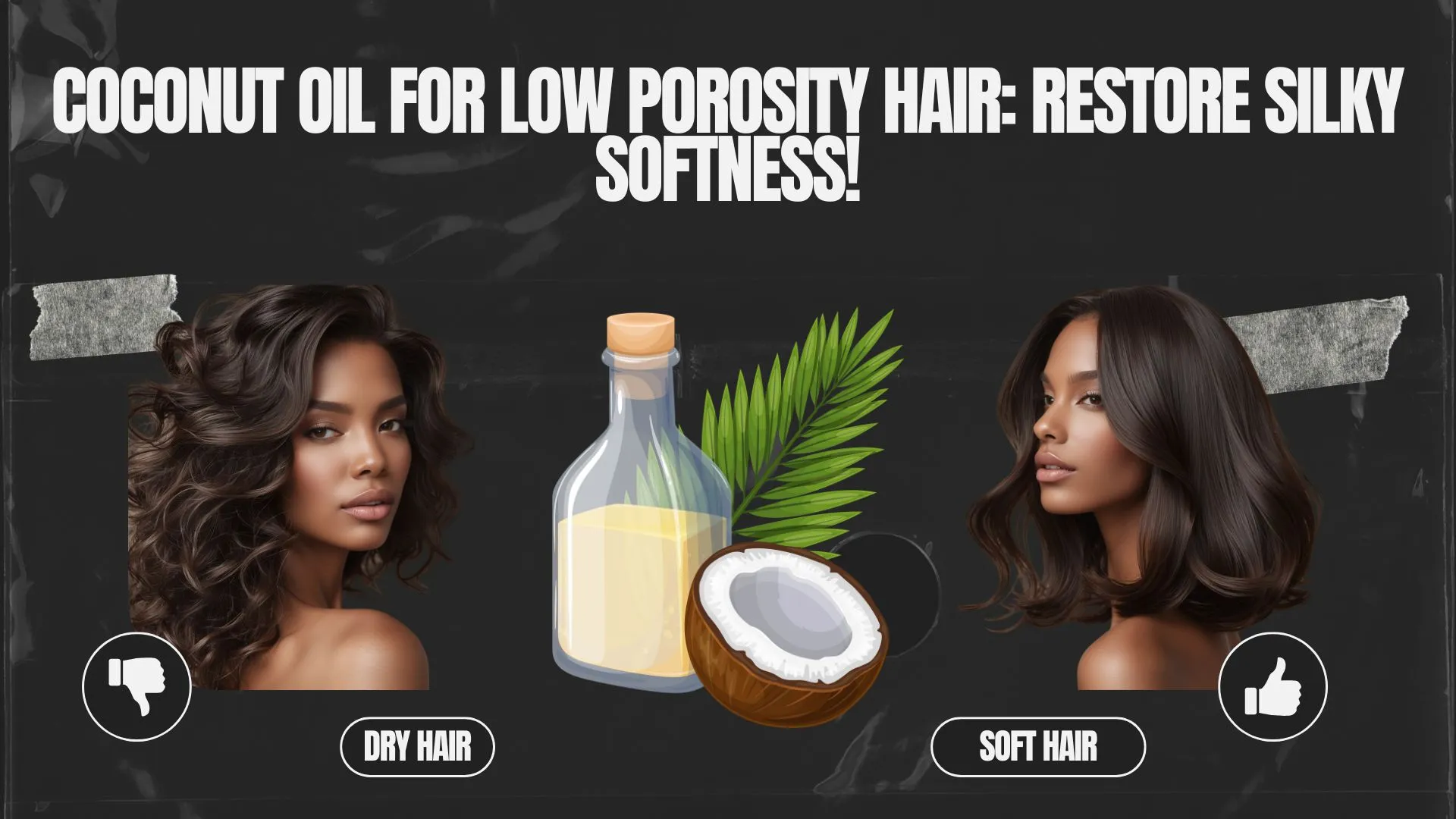
Is Coconut Oil Good for Low Porosity Hair?
Short answer: coconut oil can work for low porosity hair, but only when it is used the right way. Apply it warm, ideally with heat or steam, as a pre-shampoo treatment once a week. Used cold, too often or as a leave-in, it tends to sit on top of the hair and cause buildup.
Low porosity hair has tightly closed cuticles that let moisture and oils in slowly. Coconut oil’s lauric acid can enter the hair shaft and help reduce protein loss during washing, but on low porosity hair this happens slowly. Too much oil, applied the wrong way, simply coats the surface and leaves hair greasy at the roots and stiff or dry at the ends.
This guide explains how coconut oil behaves on low porosity hair, the application methods that work, the signs it isn’t suiting you, and lighter oils to try instead. If you are looking for pure, cold-pressed oil, see our coconut oil price in Pakistan.
Understanding Low Porosity Hair
Low porosity hair has cuticle layers that lie tightly overlapped, like shingles on a roof. You may have low porosity hair if you notice:
- A very smooth surface texture
- Hair takes a long time to get fully wet
- Products tend to sit on top instead of soaking in
- Product buildup happens easily
- Hair resists colouring and chemical treatments
How coconut oil interacts with low porosity hair
Coconut oil is rich in lauric acid, a medium-chain fatty acid with a small, straight molecular structure. That structure lets it enter the hair shaft better than most oils, which is why research links it to reduced protein loss in both healthy and damaged hair. Coconut oil does not contain protein itself.
On low porosity hair, the tight cuticle slows this down. Applied cold to dry hair, the oil mostly stays on the surface and leads to:
- Product buildup on the hair surface
- Hair that feels stiff, dry or brittle at the ends
- Difficulty washing the oil out
- Weighed-down, flat strands
The fix is not a different product but a different method: warmth, a smaller amount and using it before shampooing.
Choosing the Right Coconut Oil
- Virgin (unrefined) coconut oil: made from fresh coconut meat without chemicals, with more of its natural compounds and coconut aroma
- Cold-pressed: extracted by mechanical pressing without heat
- Refined: processed, with a neutral smell and fewer natural compounds
For hair, virgin cold-pressed coconut oil is the best choice. Use it as a pre-shampoo treatment, which helps protect the hair during washing and reduces swelling and shrinking of the strand (hygral fatigue).
Step-by-Step Application Guide
Prepare your hair
Start with clean, dry hair divided into 4 to 8 sections for even coverage. If you have buildup from other products, use a clarifying shampoo first so the oil has a clean surface to work on.
Hot oil treatment
Heat helps low porosity cuticles open slightly so the oil can absorb:
- Warm the coconut oil slightly (test on your wrist for a comfortable temperature)
- Apply a small amount through the sectioned hair, focusing on the lengths and ends
- Cover with a plastic cap
- Wrap with a warm, damp towel
- Leave for 20 to 30 minutes, then shampoo
Steam method
- Fill a bowl with hot water
- Make a steam tent over it with a towel for 10 to 15 minutes
- Apply slightly warmed coconut oil
- Cover with a shower cap and leave for 20 to 30 minutes before washing
Overnight treatment (occasional use)
- Apply a small amount of oil to dry hair, focusing on the ends
- Cover with a fabric shower cap to protect the pillowcase
- Shampoo twice in the morning with lukewarm water
Important: once a week is enough. Using coconut oil more often is the most common cause of buildup on low porosity hair.
Timing and Frequency
| Method | How long | How often |
|---|---|---|
| Hot oil treatment | 20–30 minutes | Once a week |
| Steam + oil | 10–15 min steam, then 20–30 min oil | Once a week |
| Overnight | Overnight | Occasionally, not every week |
Signs Coconut Oil Isn’t Suiting Your Hair
- Hair feels stiff, rough or straw-like after washing
- A greasy or waxy coating that remains after shampooing
- Hair looks flat and weighed down for days
- Ends feel drier than before you started
If you notice these, use less oil, always add heat, clarify every few weeks, or switch to a lighter oil.
Lighter Oils to Try Instead
Some people with low porosity hair get better results from lighter oils that sit less heavily on the hair:
| Oil | Why it suits low porosity hair |
|---|---|
| Sweet almond oil | Light, easy to spread, widely available in Pakistan |
| Argan oil | Light finishing oil that adds shine without heaviness |
| Jojoba oil | Similar to the scalp’s natural oil, rinses out easily |
| Grapeseed oil | Very light, good for fine low porosity hair |
If you want a lighter option, try our almond oil using the same warm, pre-shampoo method.
Products to Avoid With Coconut Oil
- Protein treatments: low porosity hair is easily overloaded with protein, which leaves it stiff
- Silicone-based products (dimethicone, amodimethicone) that add to buildup
- Heavy butters that block moisture from getting in
- Harsh bleaching or chemical products
After washing, a lightweight leave-in conditioner works well. Give the ends extra attention, as they are usually the driest part.
Conclusion
Coconut oil is not a miracle fix for low porosity hair, but it can help when used correctly: warm, in small amounts, as a pre-shampoo treatment, about once a week. Heat or steam, the right amount and regular clarifying make the difference between soft, protected hair and buildup. If coconut oil still leaves your hair stiff or coated, a lighter oil such as almond oil may suit you better.
FAQs
About the Author: Sharjeel Yaseen